The Taj Mahal is one of the world's most famous monuments and a UNESCO World Heritage Site located in Agra. Built by the Mughal Emperor Shah Jahan in memory of his beloved wife Mumtaz Mahal, it is considered the finest example of Mughal architecture. Constructed from white marble and adorned with intricate carvings, precious stones, and beautiful gardens, the monument symbolizes eternal love and architectural brilliance.
The Taj Mahal, located in Agra, Uttar Pradesh, is one of the most magnificent monuments in the world and a symbol of eternal love. It was commissioned in 1632 by the Mughal Emperor Shah Jahan in memory of his beloved wife, Mumtaz Mahal, who passed away during childbirth. The construction took over twenty years and involved thousands of skilled artisans, craftsmen, and laborers.
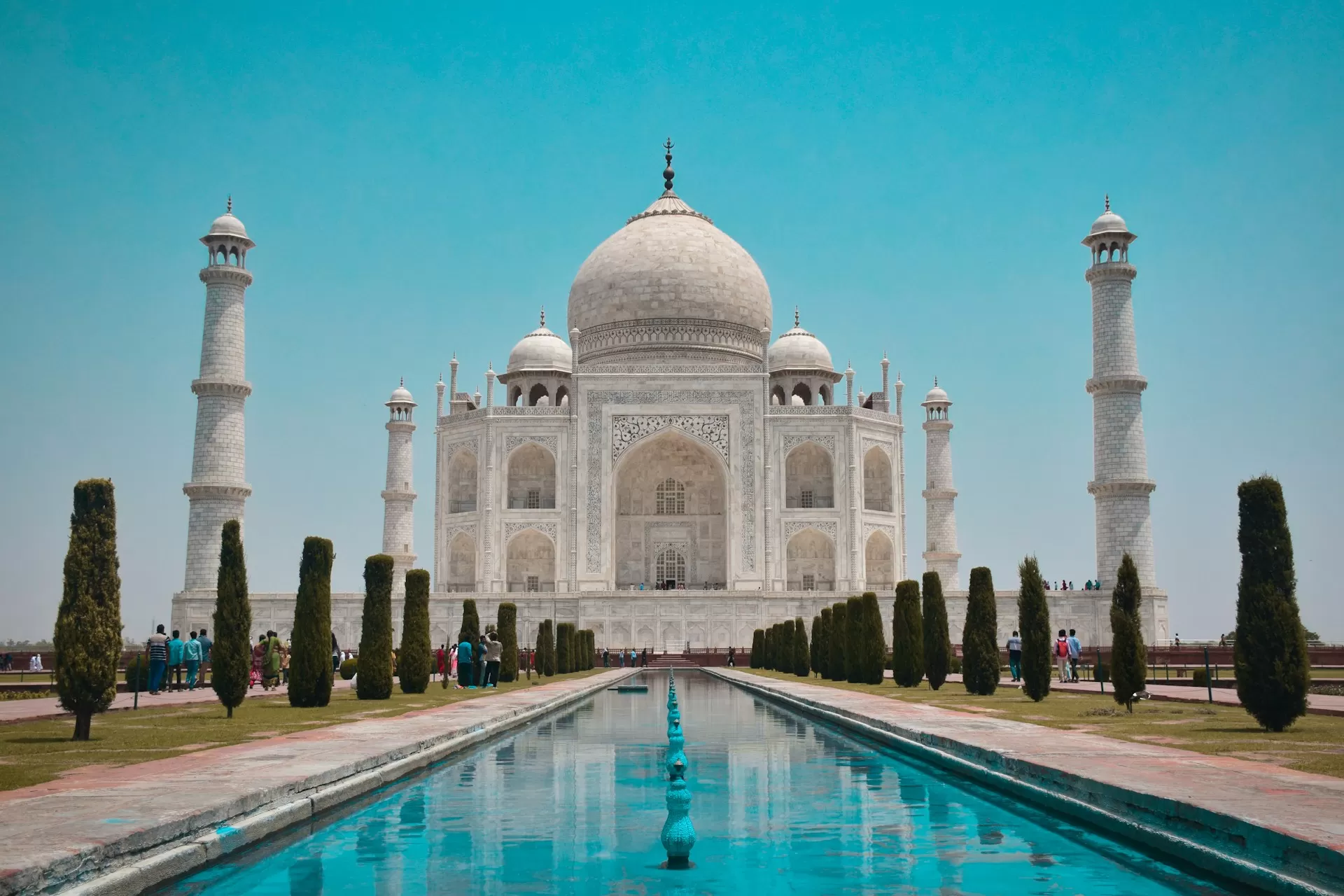
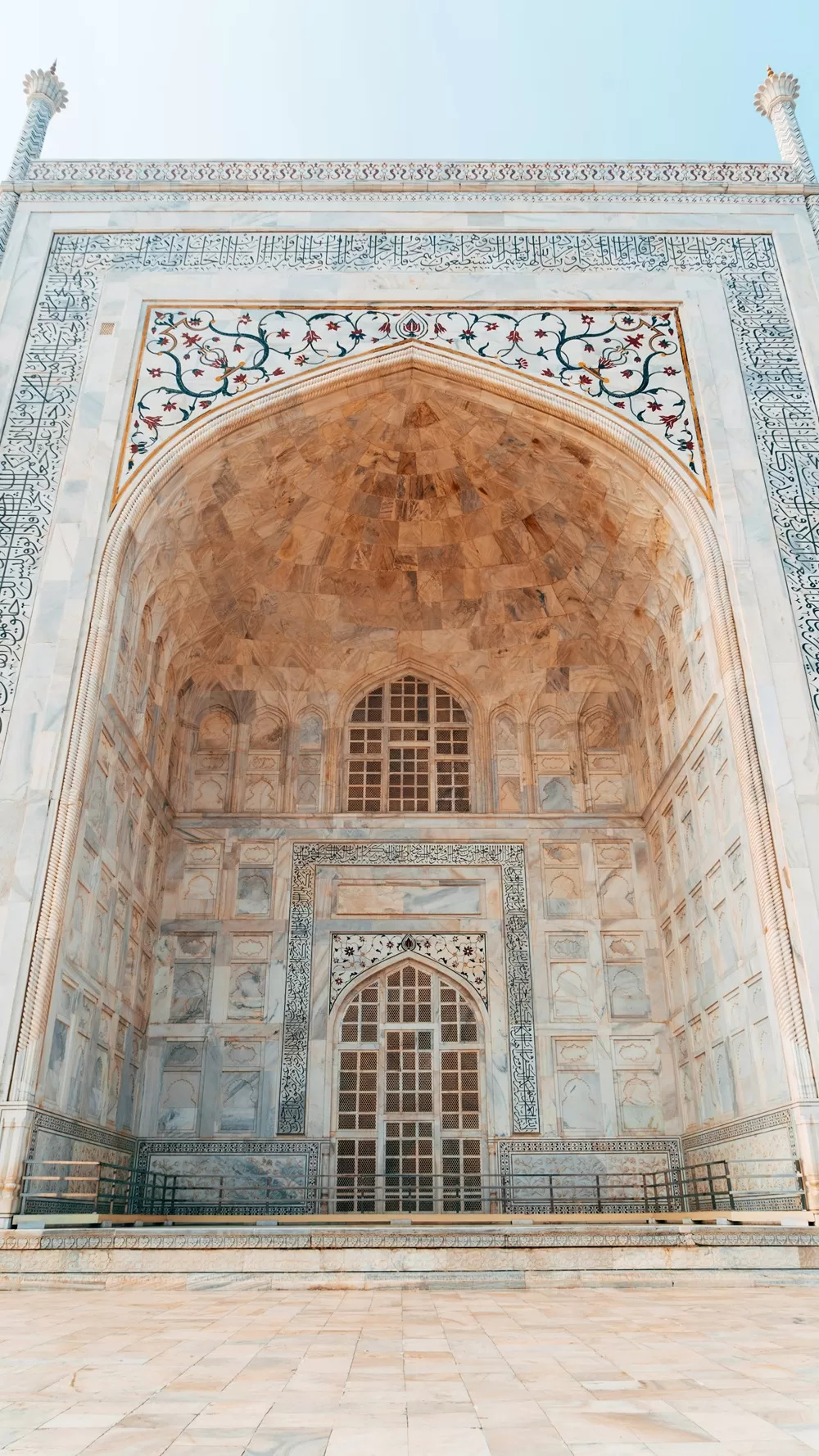
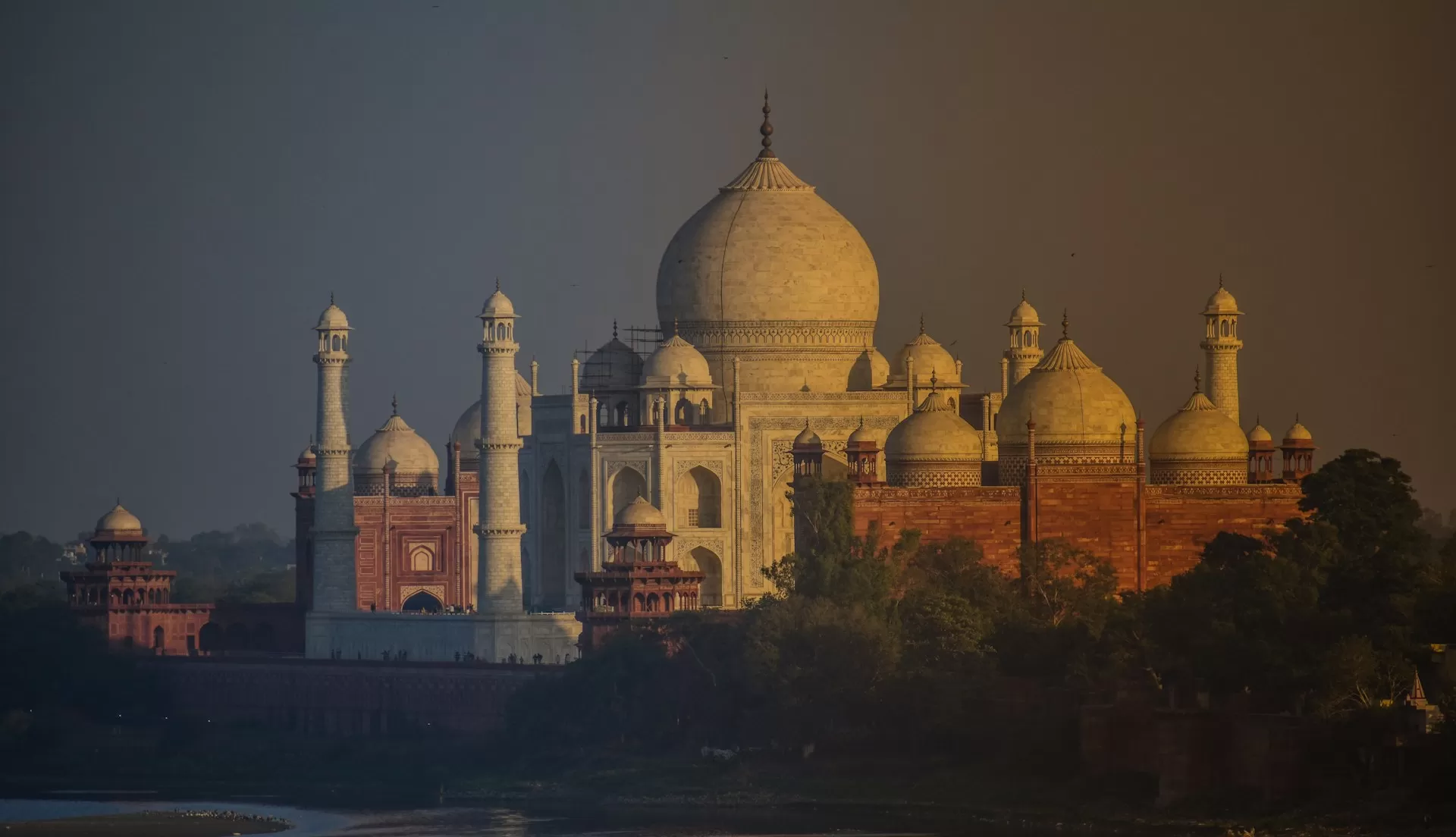
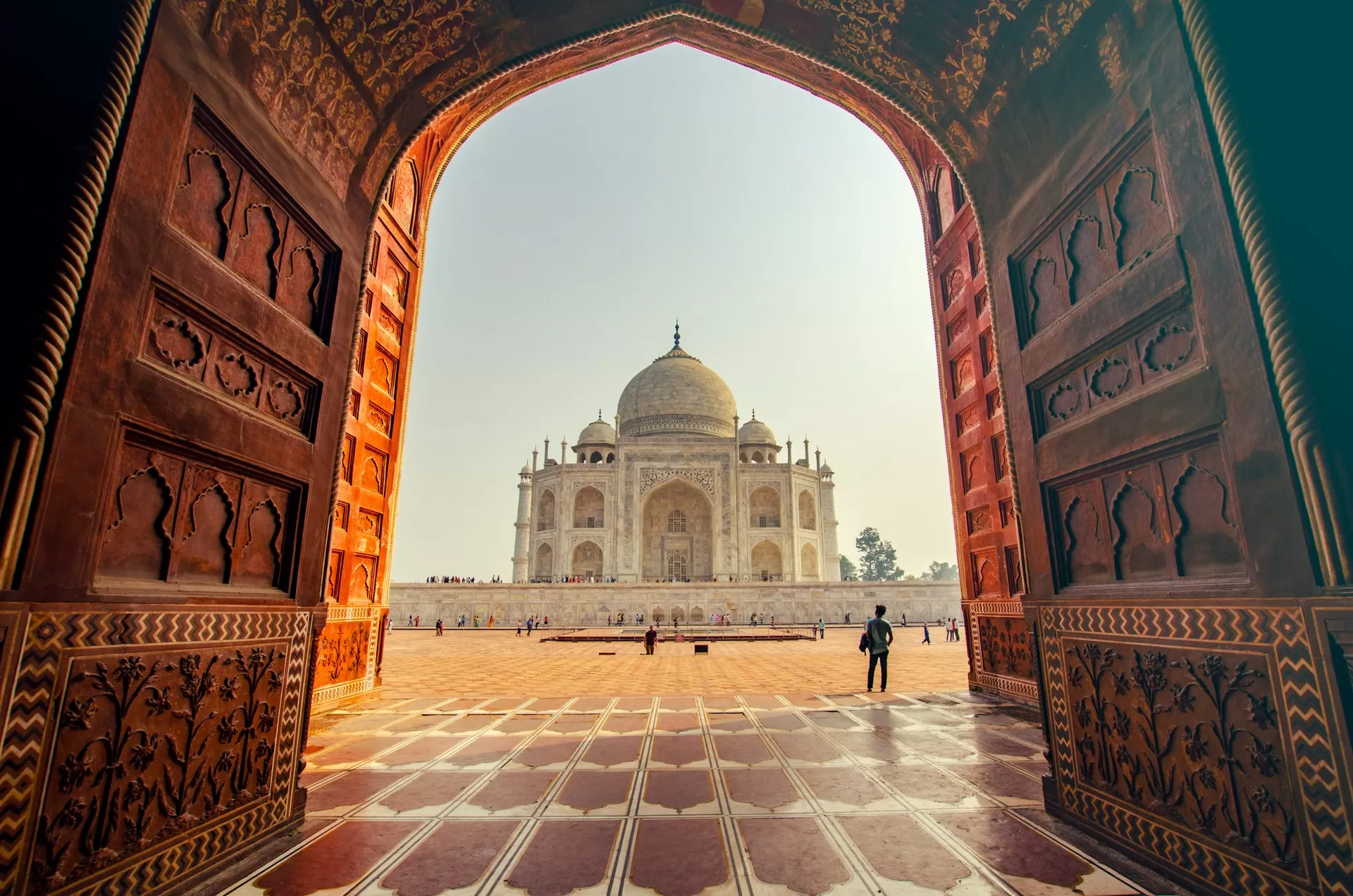
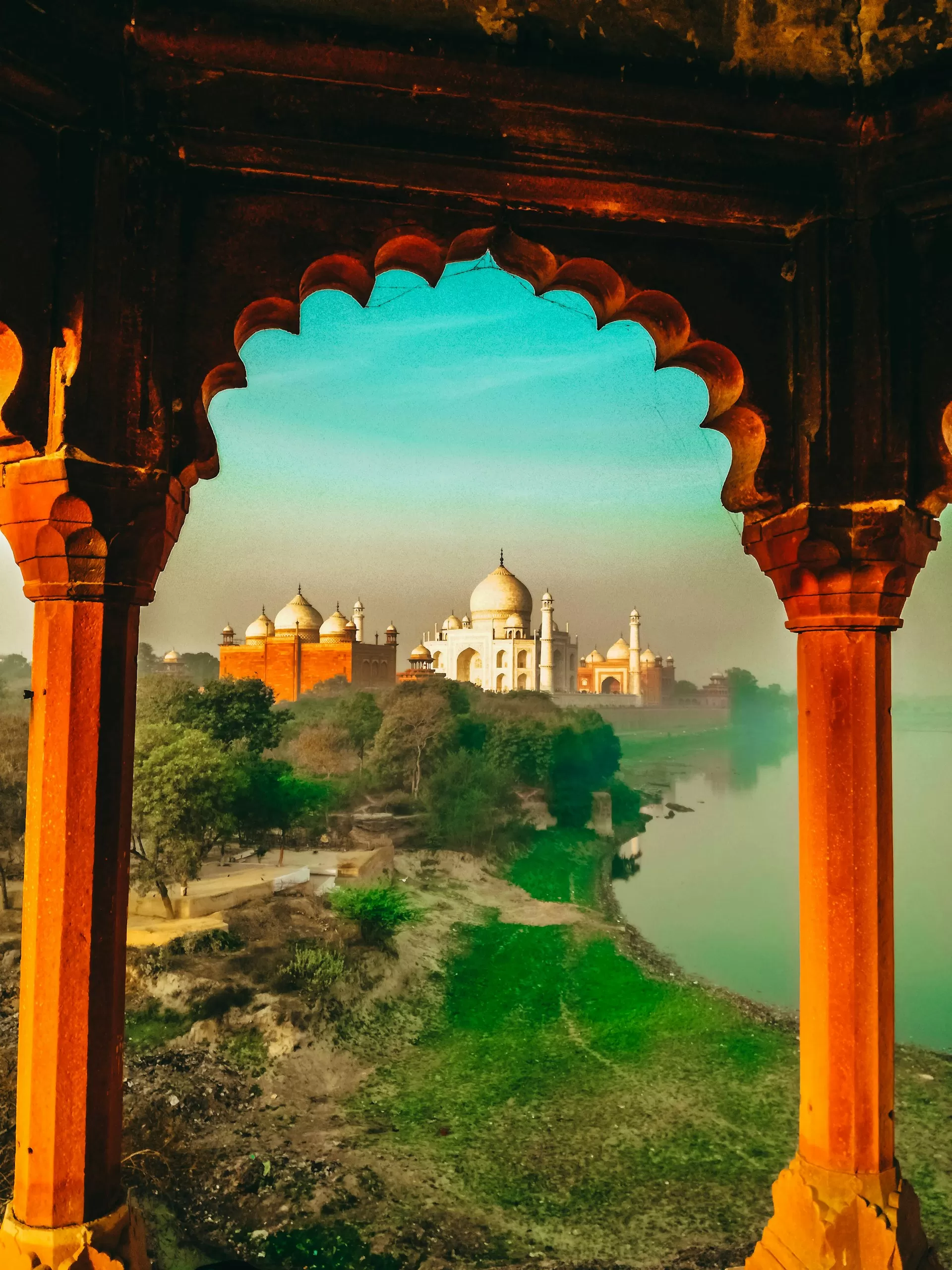
Built entirely from gleaming white marble, the Taj Mahal is renowned for its extraordinary beauty, symmetry, and intricate decorative work. The monument stands on the banks of the Yamuna River and is surrounded by beautifully landscaped Mughal gardens, fountains, and reflecting pools that enhance its visual appeal. Delicate floral patterns, Quranic inscriptions, and precious stone inlays decorate the walls, showcasing the exceptional craftsmanship of the Mughal era.
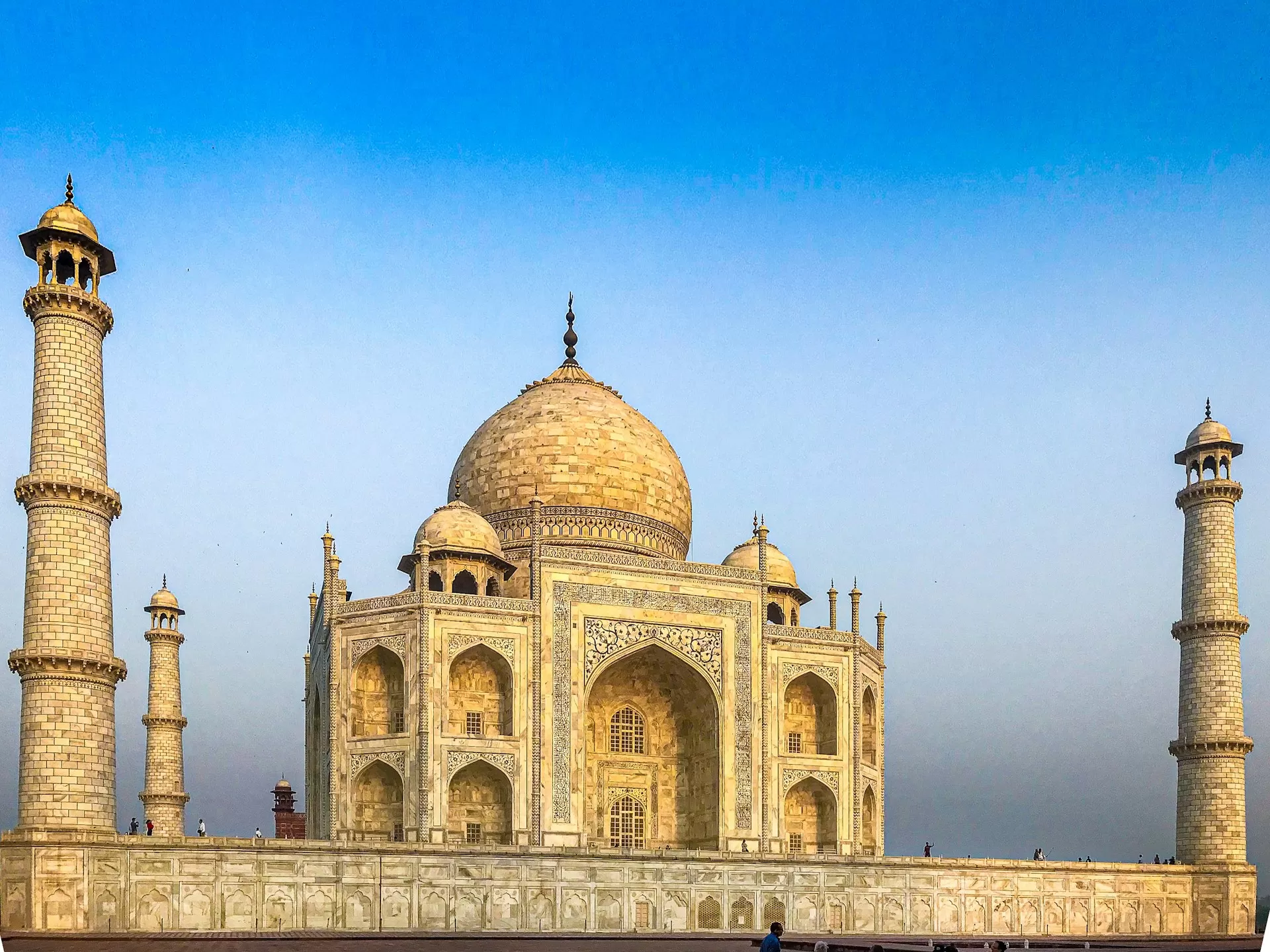
The central dome rises majestically above the mausoleum and is flanked by four elegant minarets. One of the most fascinating features of the Taj Mahal is its changing appearance throughout the day. It appears pinkish in the morning, dazzling white during the day, and golden under the moonlight, creating a mesmerizing experience for visitors.
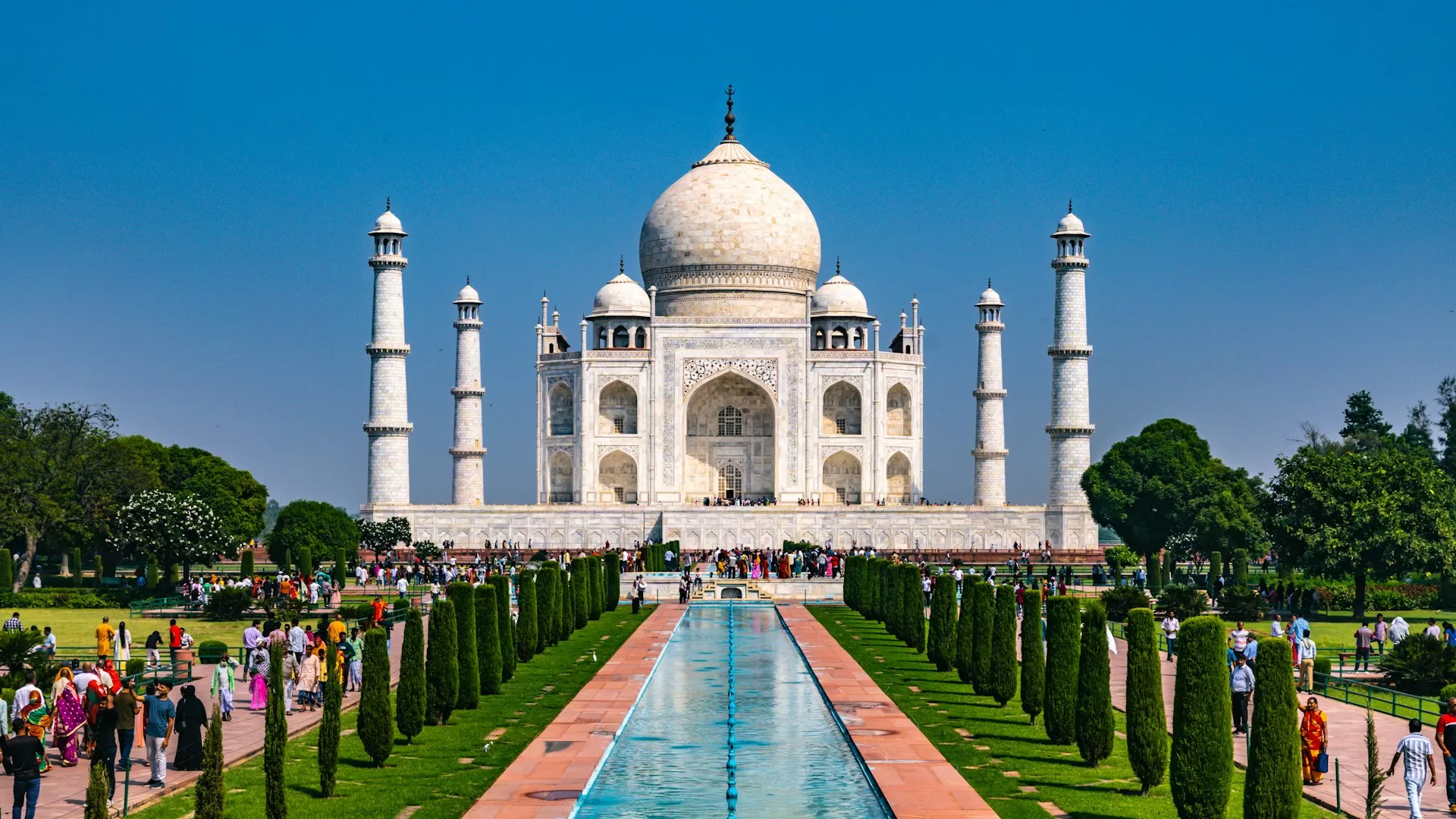
Recognized as a UNESCO World Heritage Site and one of the New Seven Wonders of the World, the Taj Mahal attracts millions of tourists every year. Beyond its architectural grandeur, it represents a timeless story of love, devotion, and artistic excellence. Visitors from across the globe come to admire its beauty, learn about its history, and experience the rich cultural heritage of India. The Taj Mahal remains not only a national treasure but also a universal symbol of love, beauty, and human creativity.
Built entirely from gleaming white marble, the Taj Mahal is renowned for its extraordinary beauty, symmetry, and intricate decorative work. The monument stands on the banks of the Yamuna River and is surrounded by beautifully landscaped Mughal gardens, fountains, and reflecting pools that enhance its visual appeal. Delicate floral patterns, Quranic inscriptions, and precious stone inlays decorate the walls, showcasing the exceptional craftsmanship of the Mughal era.
The central dome rises majestically above the mausoleum and is flanked by four elegant minarets. One of the most fascinating features of the Taj Mahal is its changing appearance throughout the day. It appears pinkish in the morning, dazzling white during the day, and golden under the moonlight, creating a mesmerizing experience for visitors.
Recognized as a UNESCO World Heritage Site and one of the New Seven Wonders of the World, the Taj Mahal attracts millions of tourists every year. Beyond its architectural grandeur, it represents a timeless story of love, devotion, and artistic excellence. Visitors from across the globe come to admire its beauty, learn about its history, and experience the rich cultural heritage of India. The Taj Mahal remains not only a national treasure but also a universal symbol of love, beauty, and human creativity.