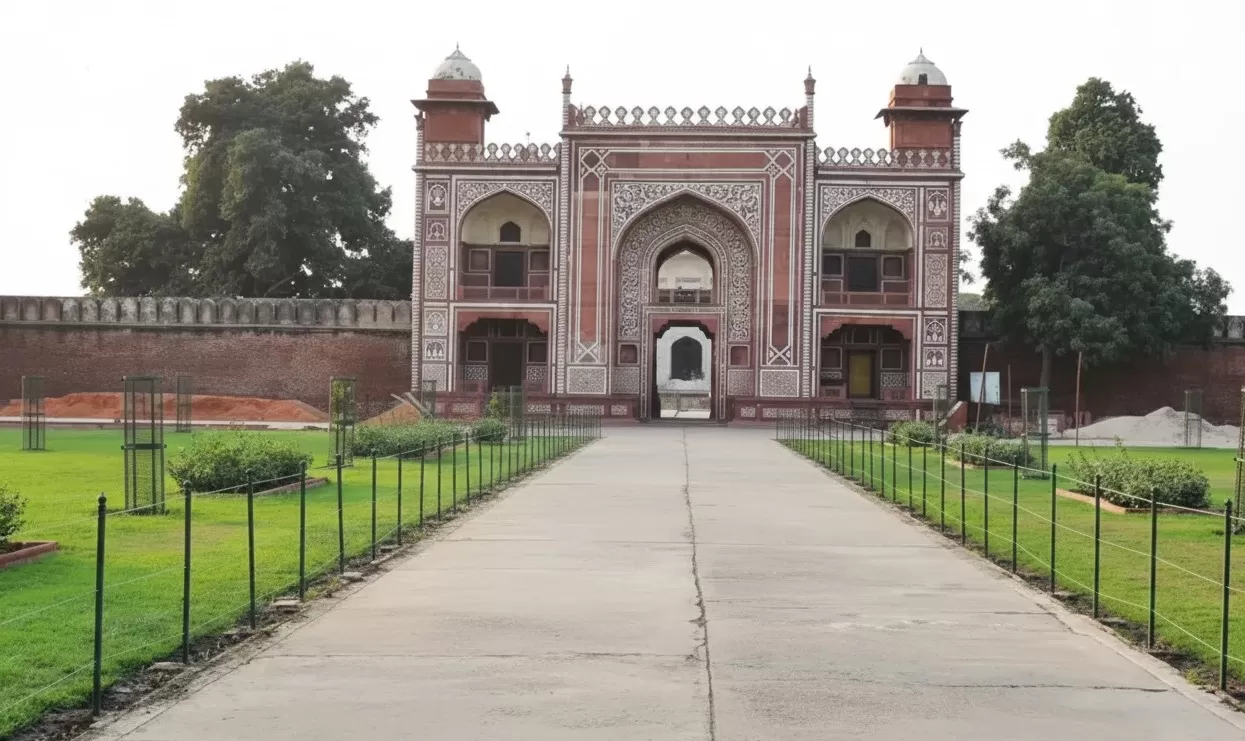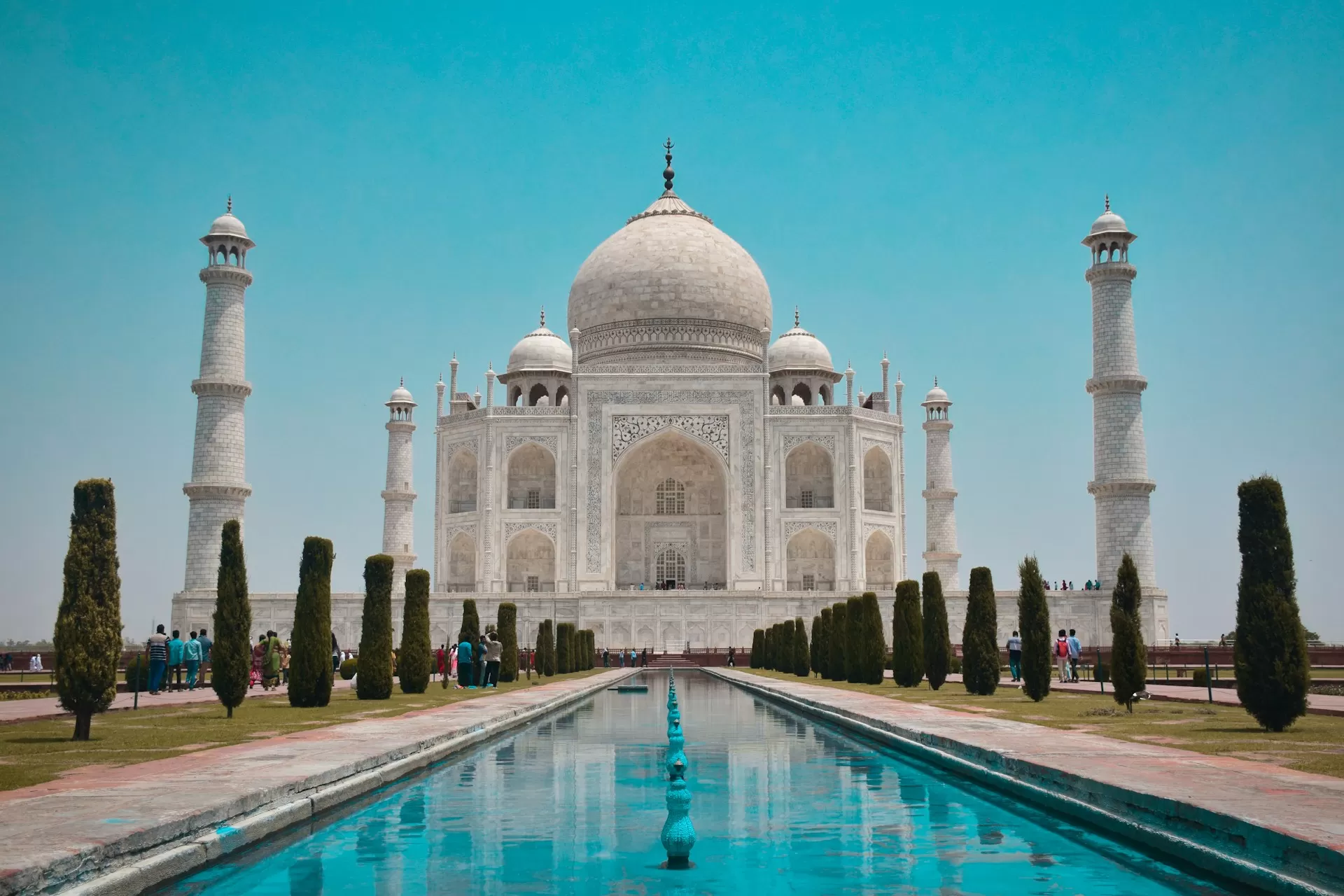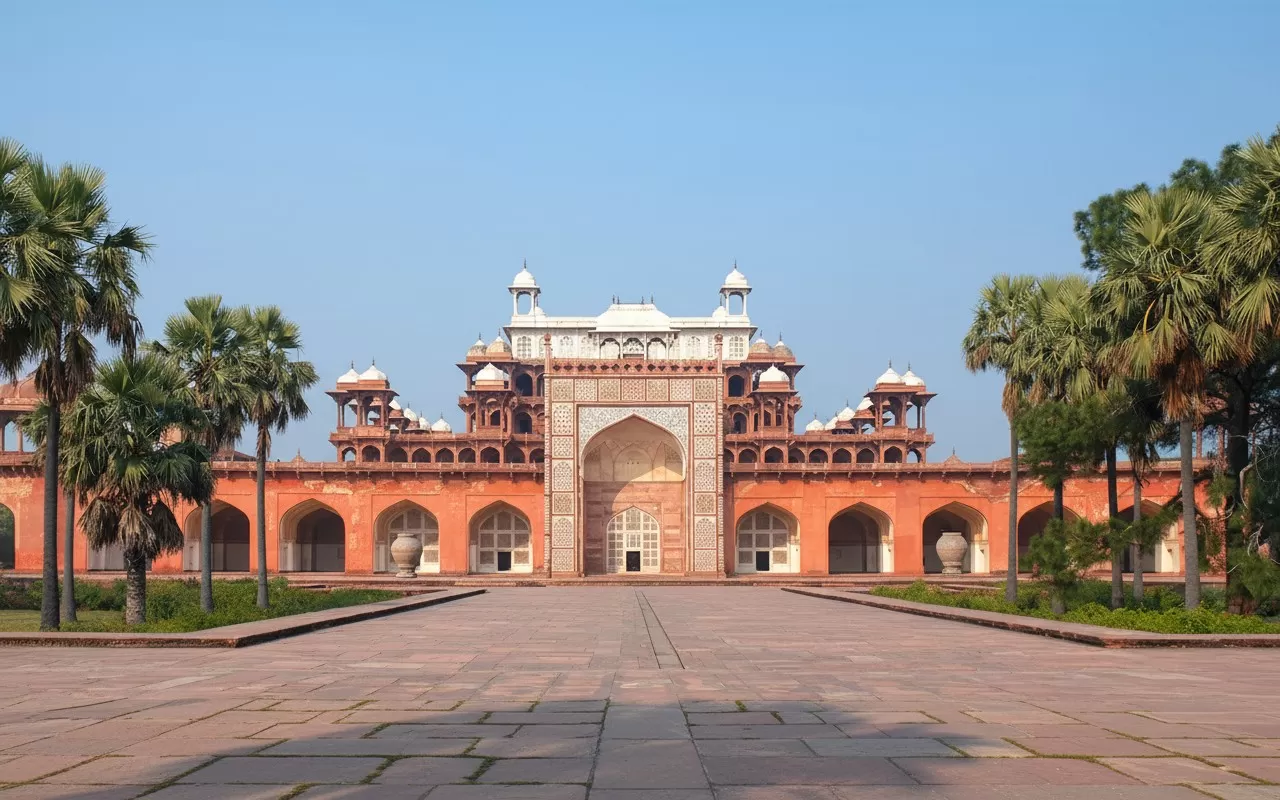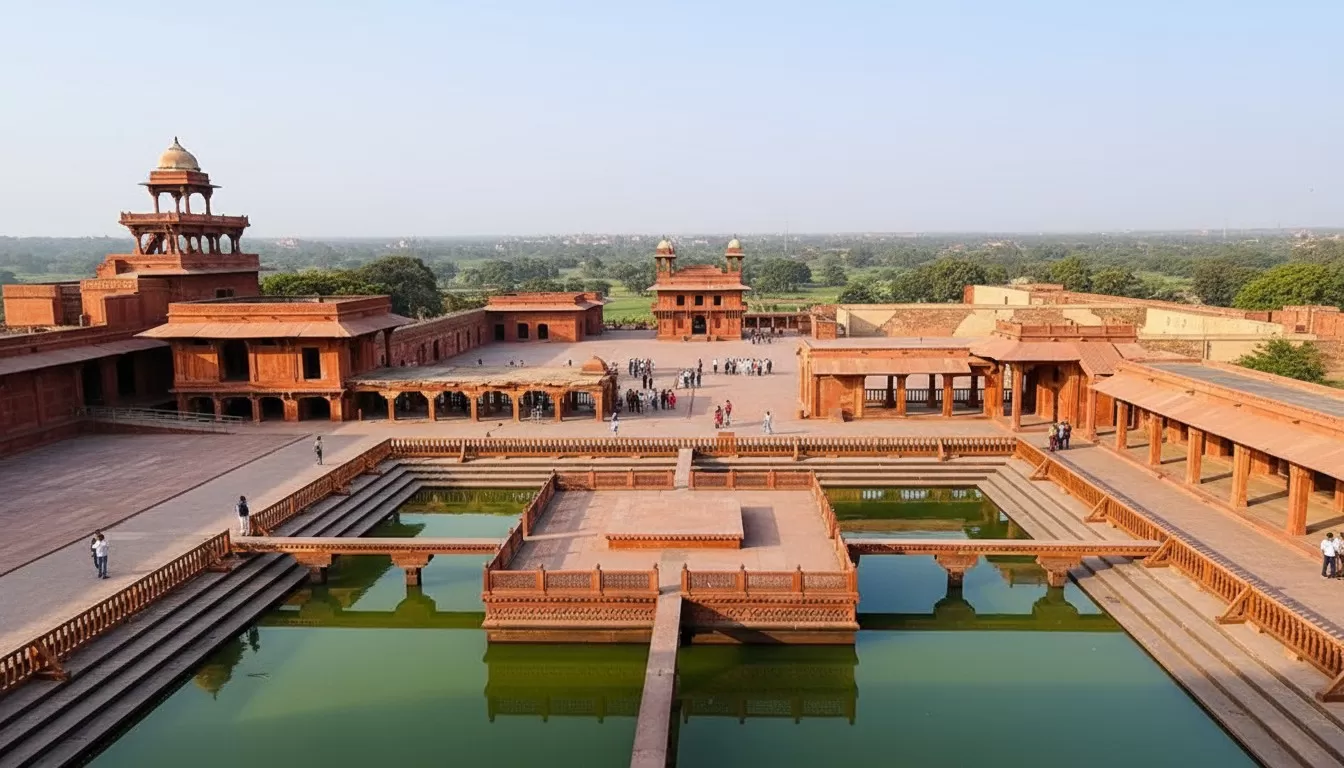
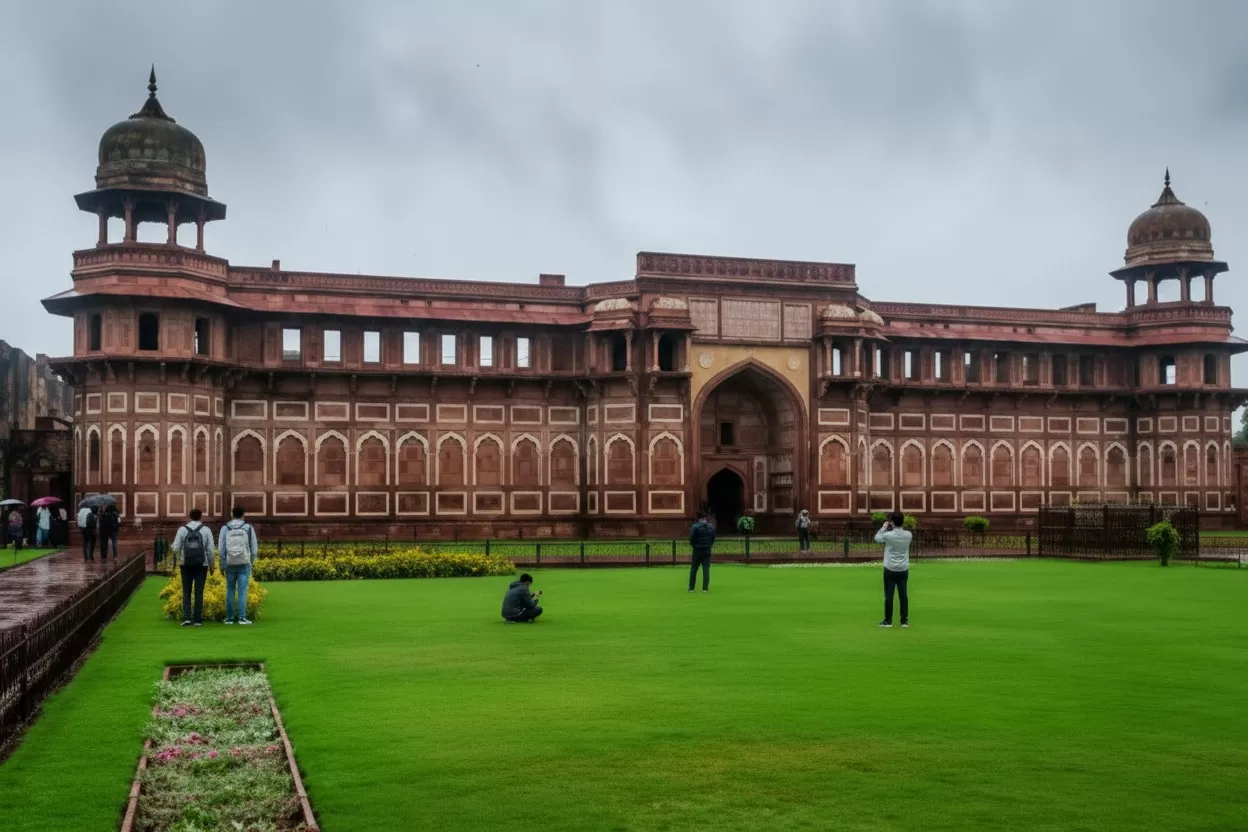
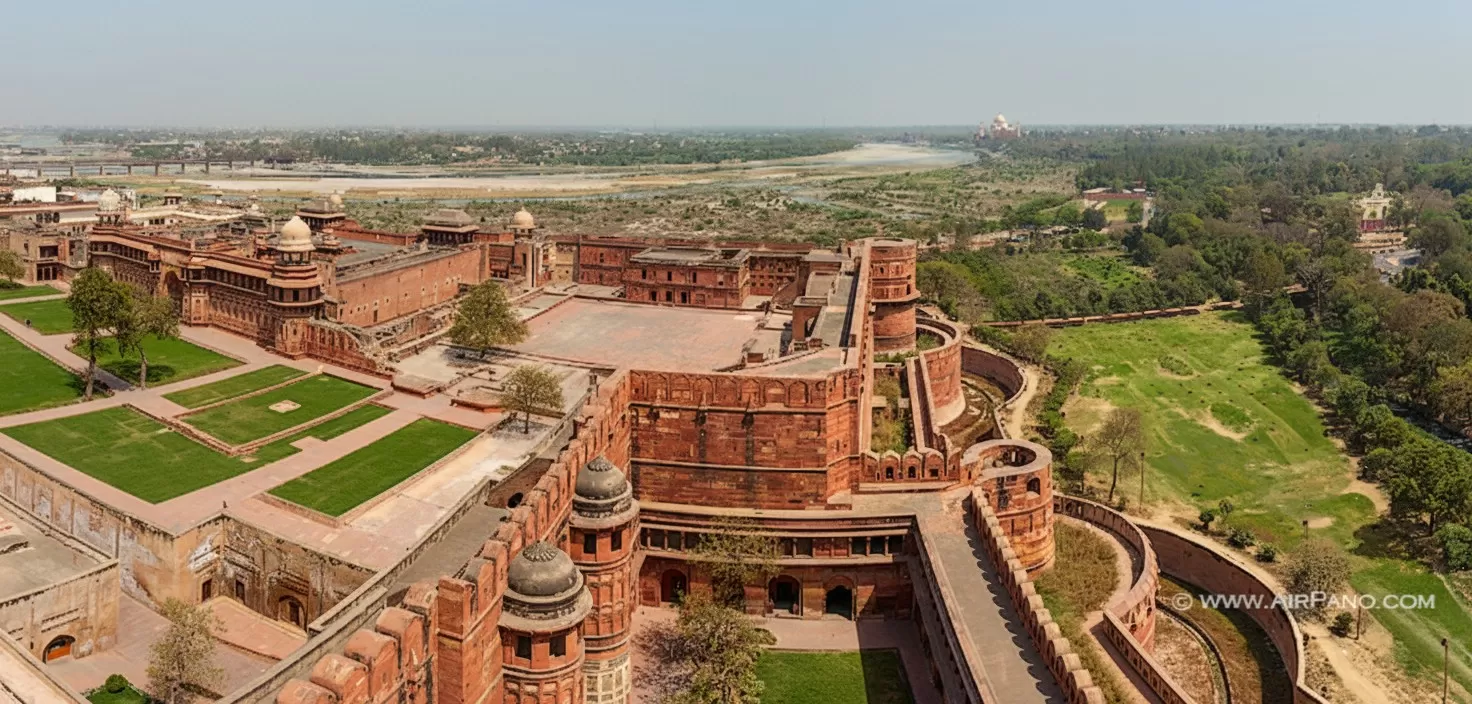
Agra Fort is one of India's most magnificent historical monuments and a UNESCO World Heritage Site. Built mainly by Emperor Akbar in the 16th century, this massive red sandstone fort served as the primary residence of the Mughal emperors. Located on the banks of the Yamuna River, it houses beautiful palaces, mosques, audience halls, and gardens. The fort showcases a blend of Islamic and Hindu architectural styles and offers stunning views of the nearby Taj Mahal.
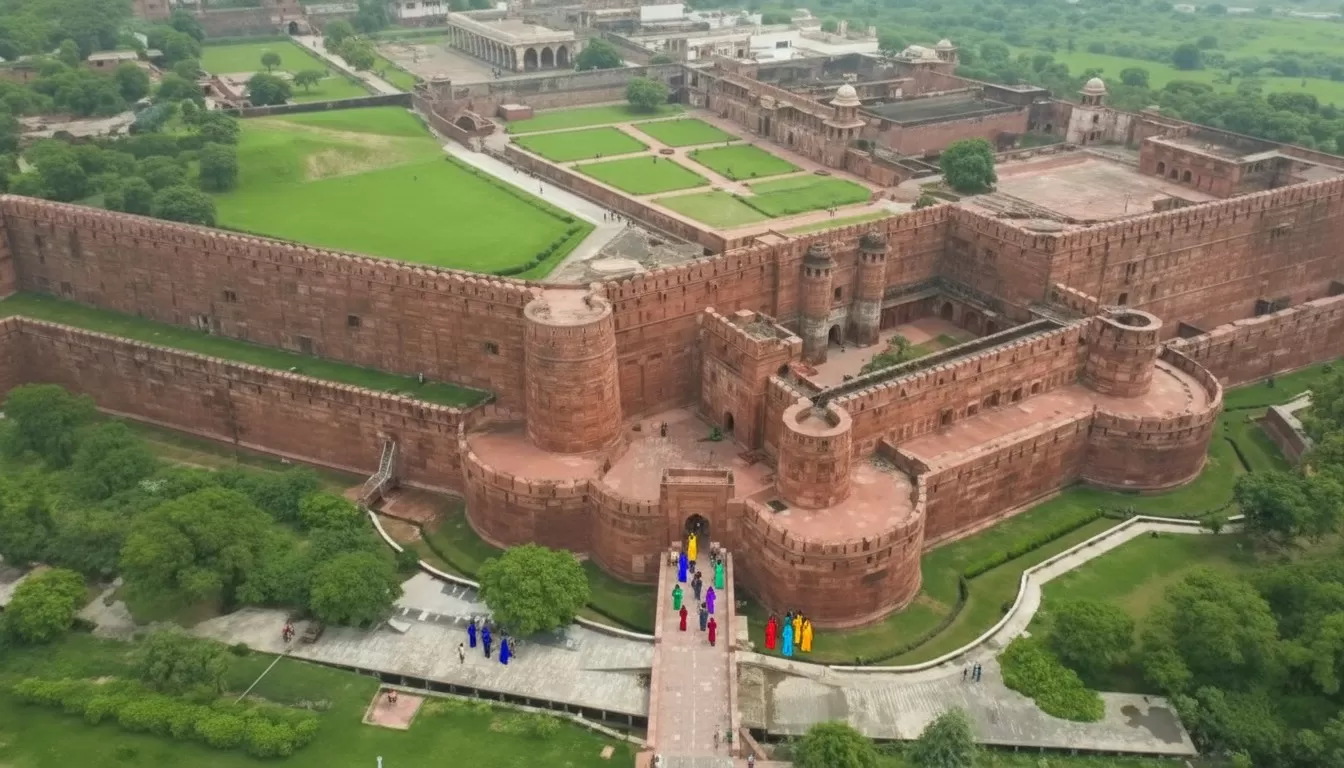
Agra Fort stands as one of the finest examples of Mughal architecture and military engineering in India. Situated along the banks of the Yamuna River in Agra, the fort was commissioned by Emperor Akbar in 1565 and later expanded by his successors, including Jahangir and Shah Jahan. Constructed primarily from red sandstone, the fort served as the main residence and administrative center of the Mughal Empire for many years.
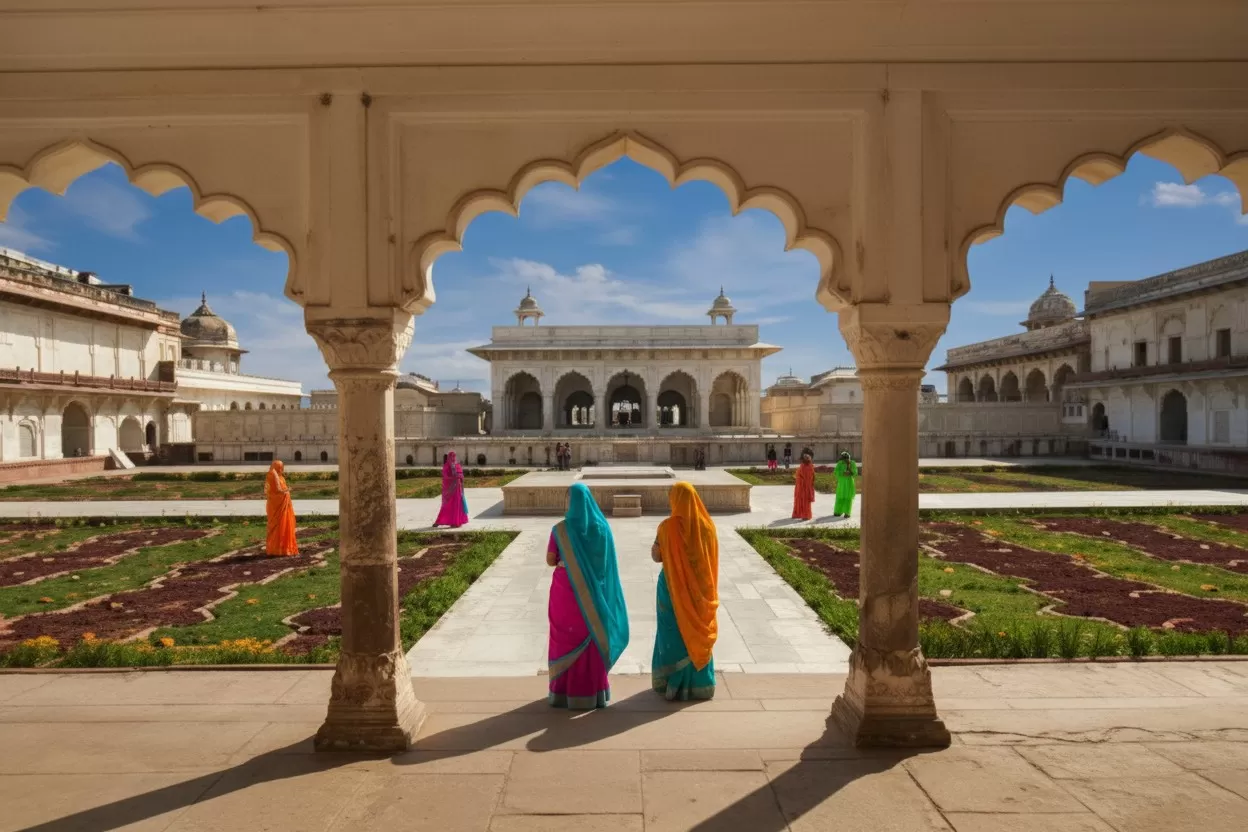
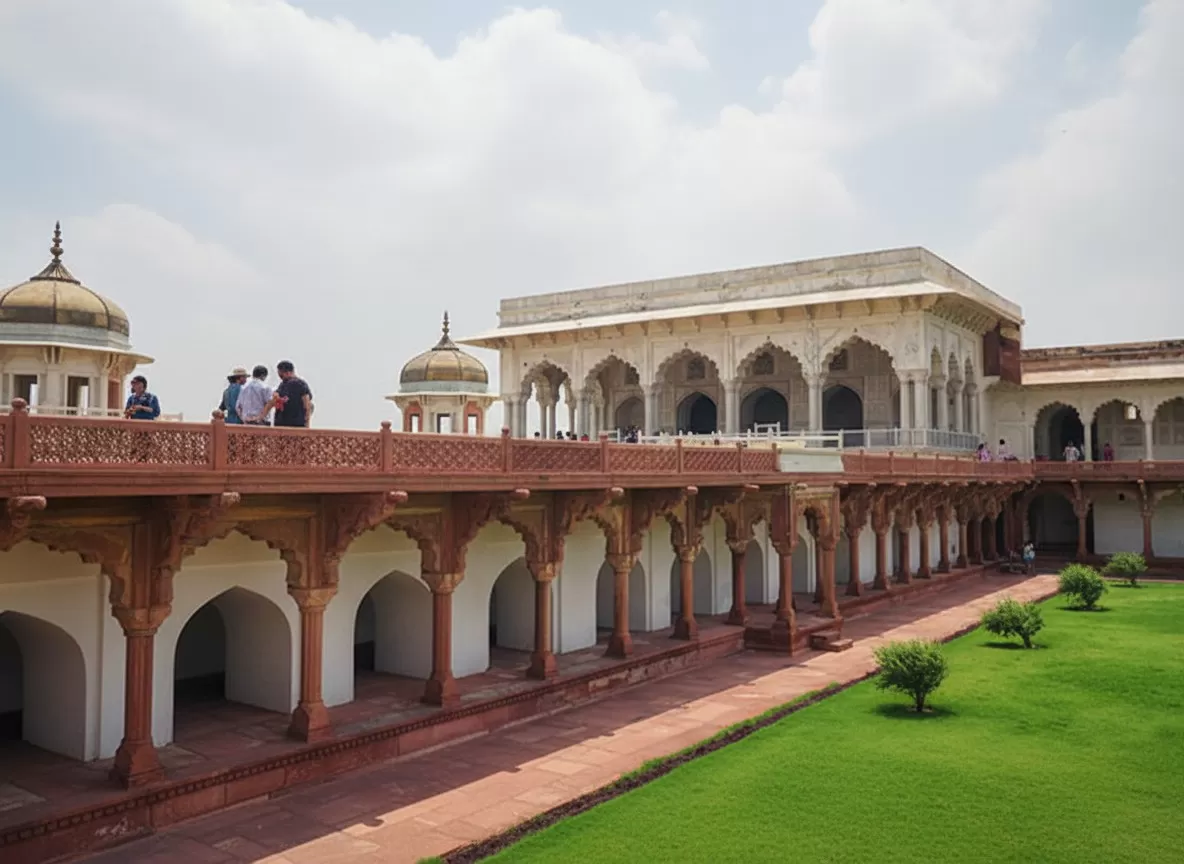
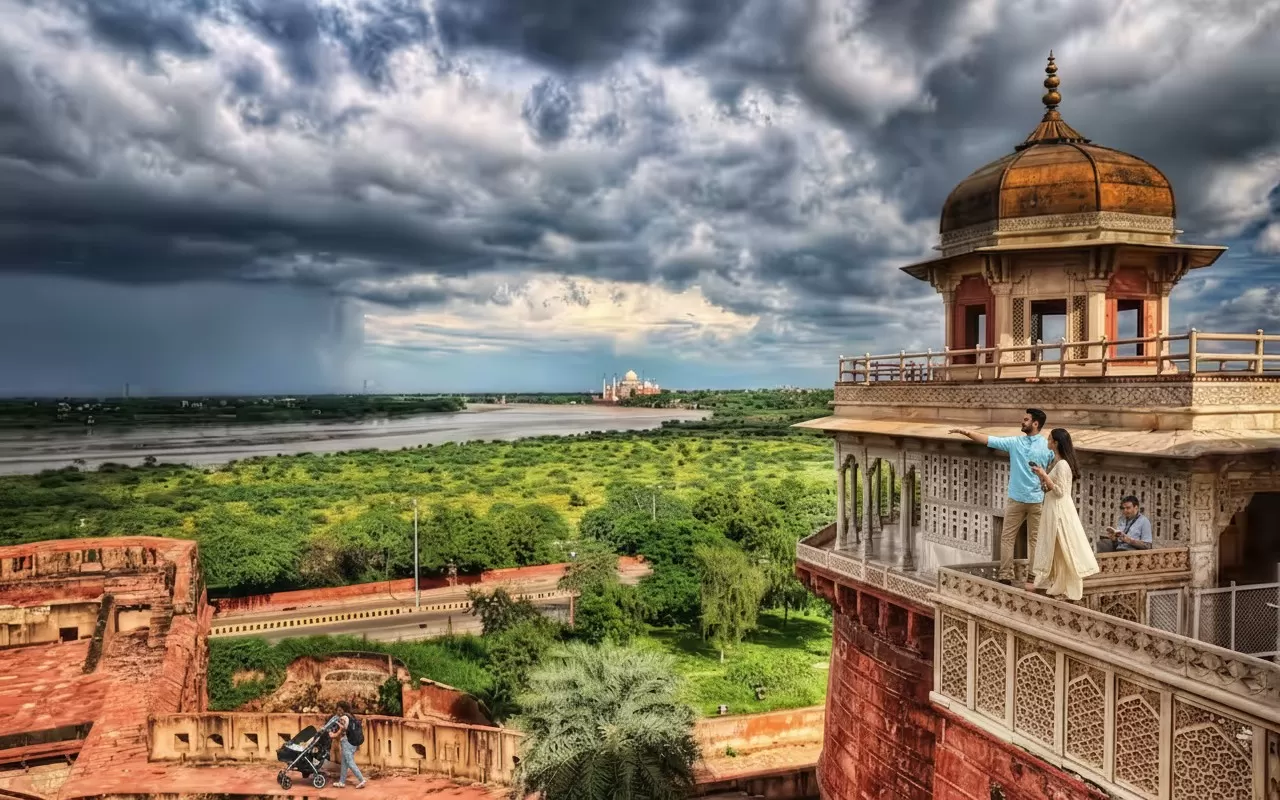
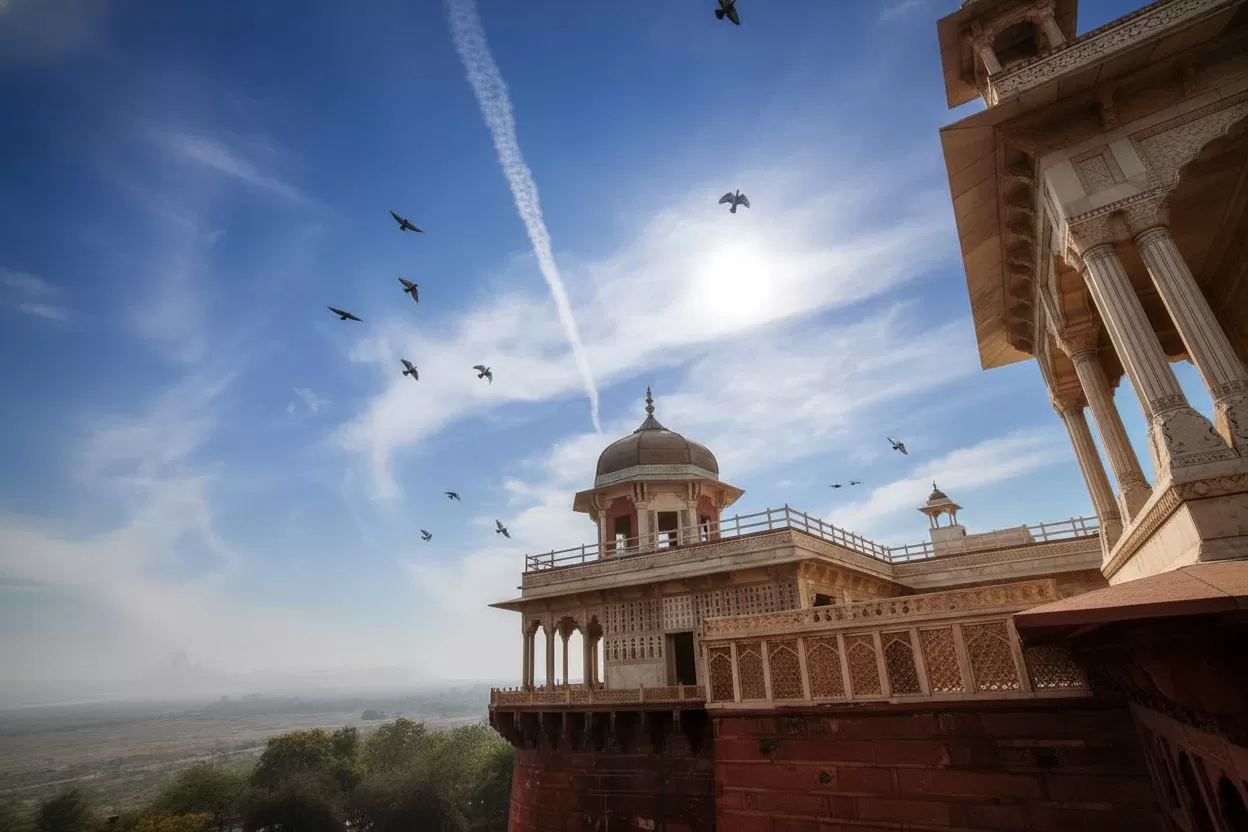
Spread across nearly 94 acres, Agra Fort is enclosed by imposing walls rising over 20 meters high. Within these fortified boundaries lie a series of magnificent structures that reflect the grandeur of the Mughal era. Notable attractions include Jahangiri Mahal, a stunning palace built for the royal family; Khas Mahal, a beautiful marble residence; and Musamman Burj, an elegant octagonal tower associated with Emperor Shah Jahan.
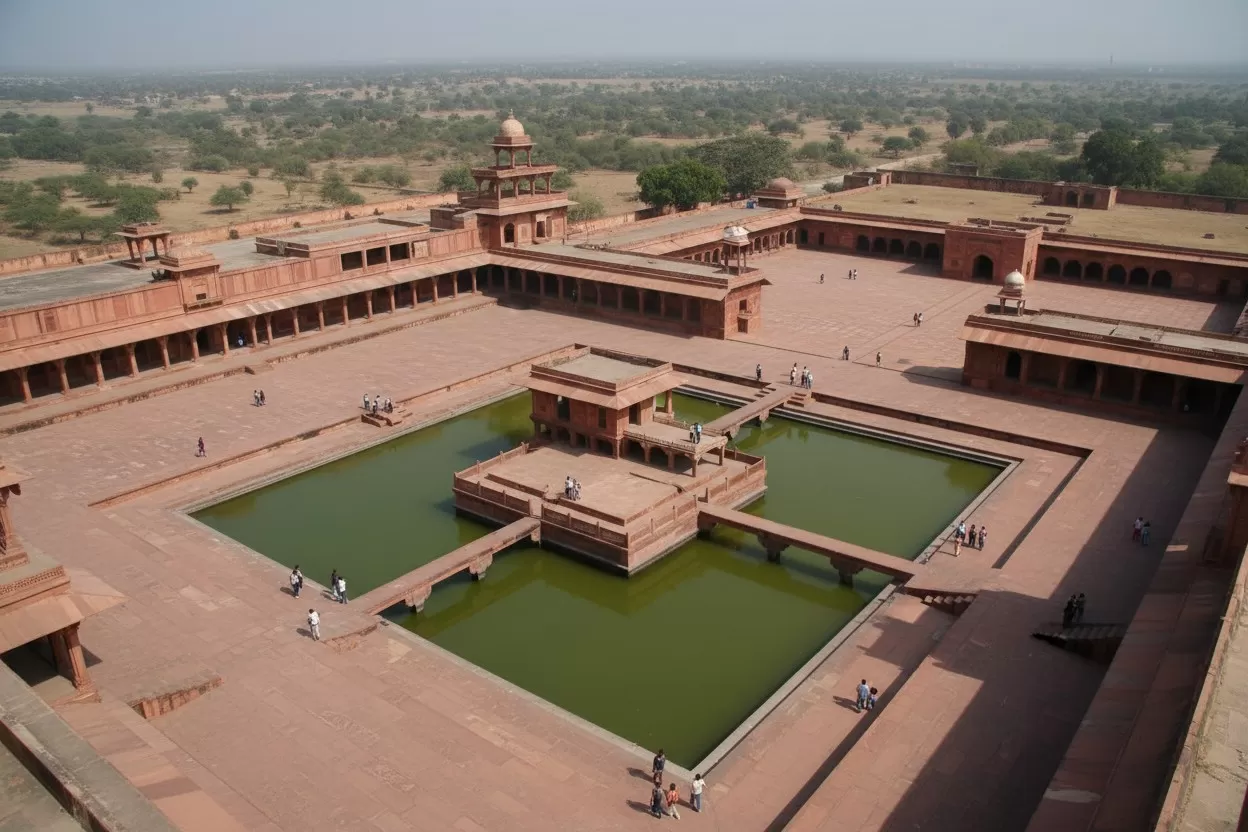
The fort also contains Diwan-i-Aam (Hall of Public Audience) and Diwan-i-Khas (Hall of Private Audience), where emperors conducted state affairs and received distinguished guests. The intricate carvings, marble inlay work, decorative arches, and spacious courtyards highlight the artistic brilliance of Mughal craftsmen.
One of the most fascinating stories connected with Agra Fort is that Shah Jahan, the builder of the Taj Mahal, spent his final years imprisoned here by his son Aurangzeb. From Musamman Burj, he is believed to have gazed at the Taj Mahal until his death.
Today, Agra Fort attracts millions of visitors from around the world who come to admire its architectural beauty, historical significance, and cultural heritage. The fort provides a captivating journey through India's imperial past while offering breathtaking views of the Taj Mahal, making it an essential destination for anyone exploring Agra and the rich legacy of the Mughal Empire.
Spread across nearly 94 acres, Agra Fort is enclosed by imposing walls rising over 20 meters high. Within these fortified boundaries lie a series of magnificent structures that reflect the grandeur of the Mughal era. Notable attractions include Jahangiri Mahal, a stunning palace built for the royal family; Khas Mahal, a beautiful marble residence; and Musamman Burj, an elegant octagonal tower associated with Emperor Shah Jahan.
The fort also contains Diwan-i-Aam (Hall of Public Audience) and Diwan-i-Khas (Hall of Private Audience), where emperors conducted state affairs and received distinguished guests. The intricate carvings, marble inlay work, decorative arches, and spacious courtyards highlight the artistic brilliance of Mughal craftsmen.
One of the most fascinating stories connected with Agra Fort is that Shah Jahan, the builder of the Taj Mahal, spent his final years imprisoned here by his son Aurangzeb. From Musamman Burj, he is believed to have gazed at the Taj Mahal until his death.
Today, Agra Fort attracts millions of visitors from around the world who come to admire its architectural beauty, historical significance, and cultural heritage. The fort provides a captivating journey through India's imperial past while offering breathtaking views of the Taj Mahal, making it an essential destination for anyone exploring Agra and the rich legacy of the Mughal Empire.