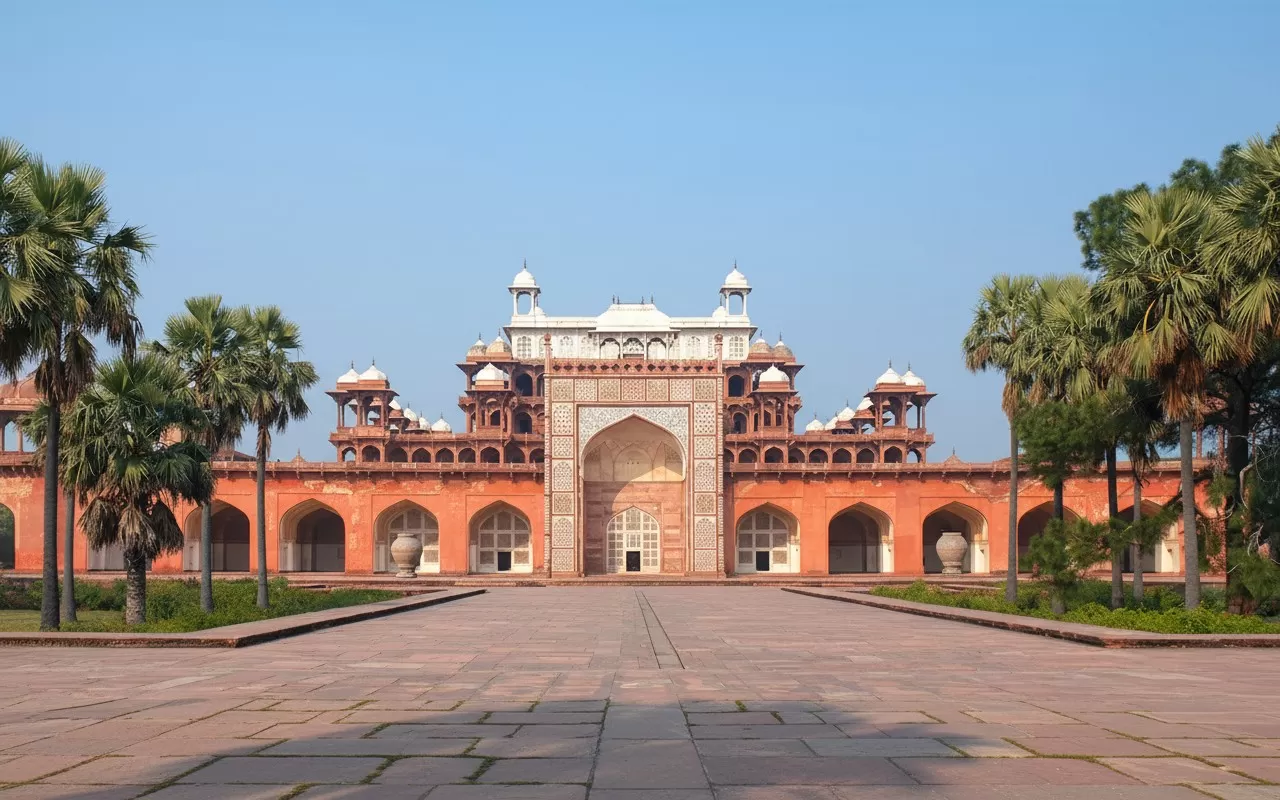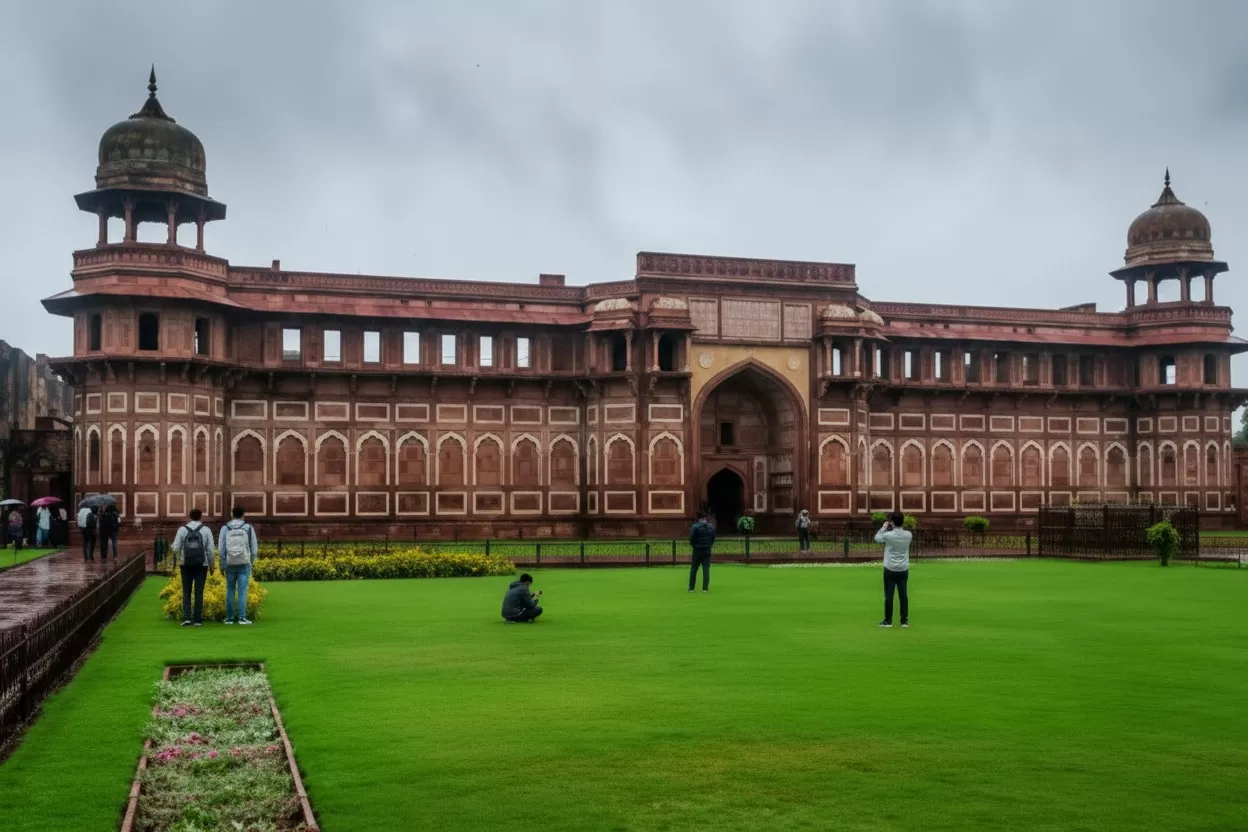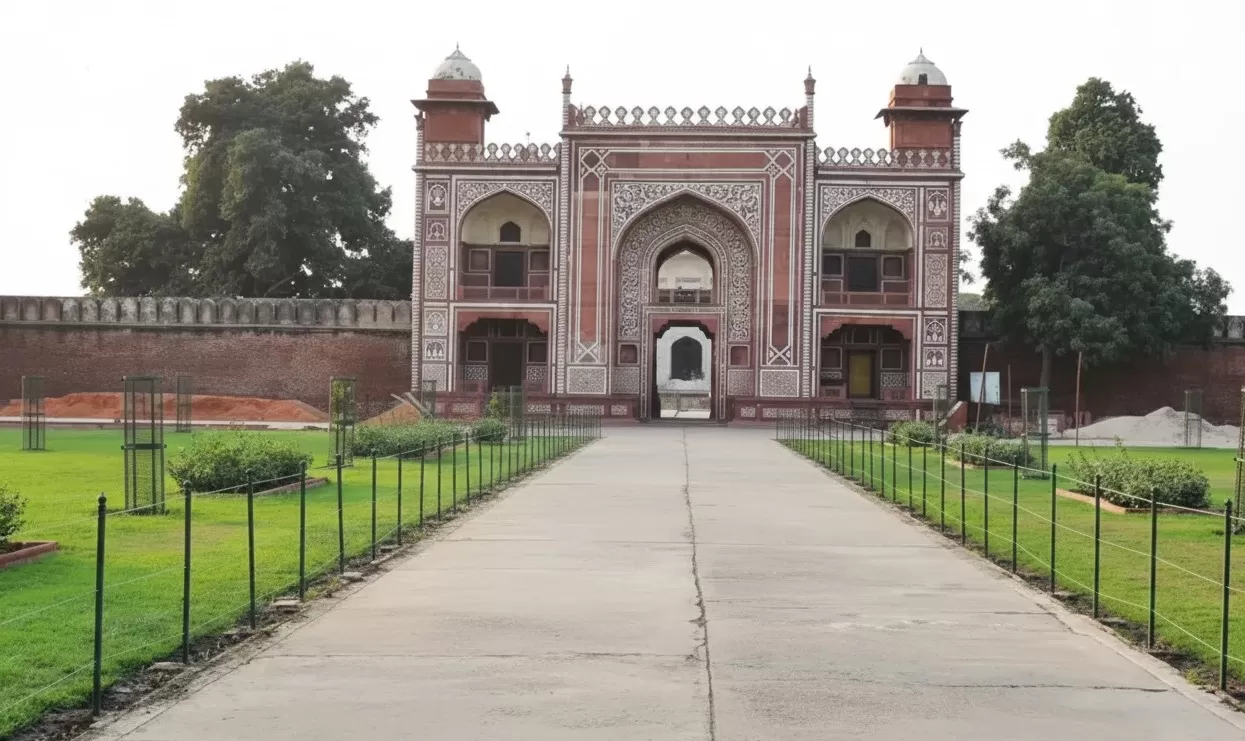
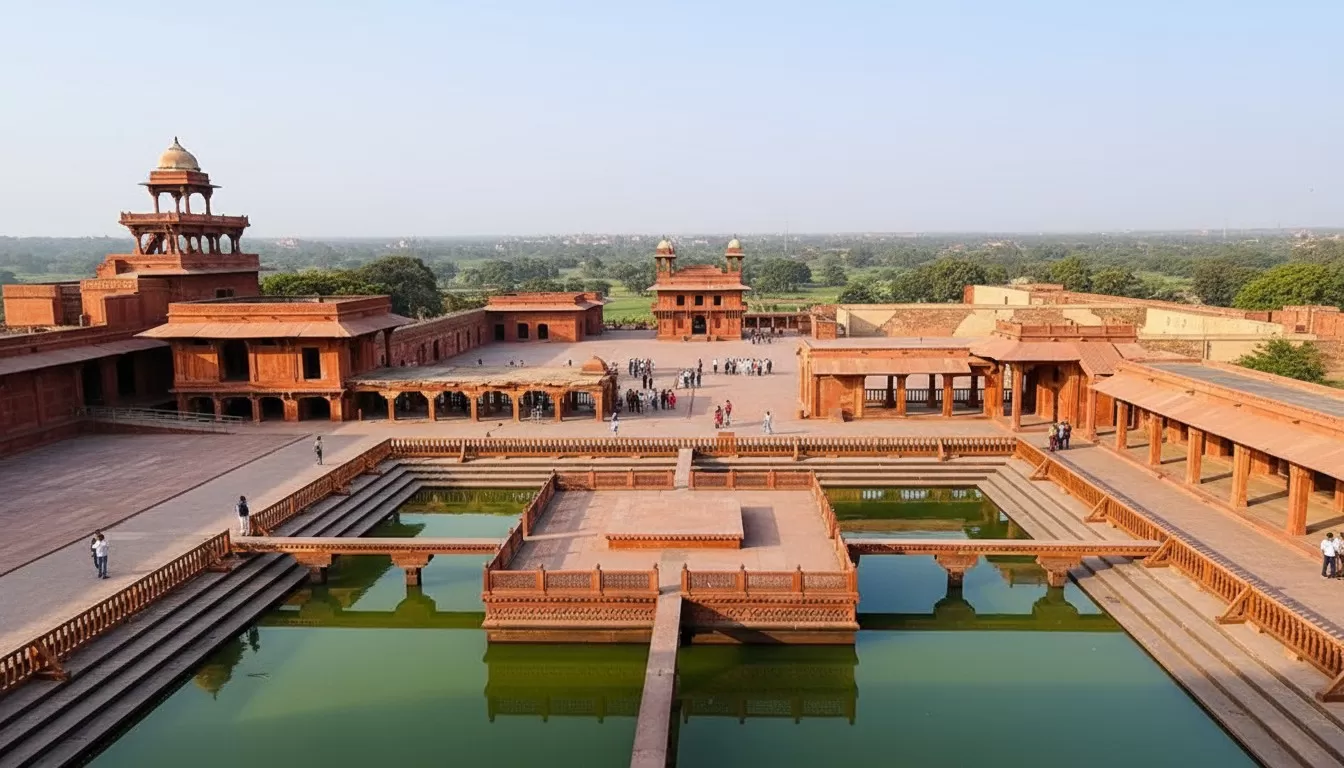
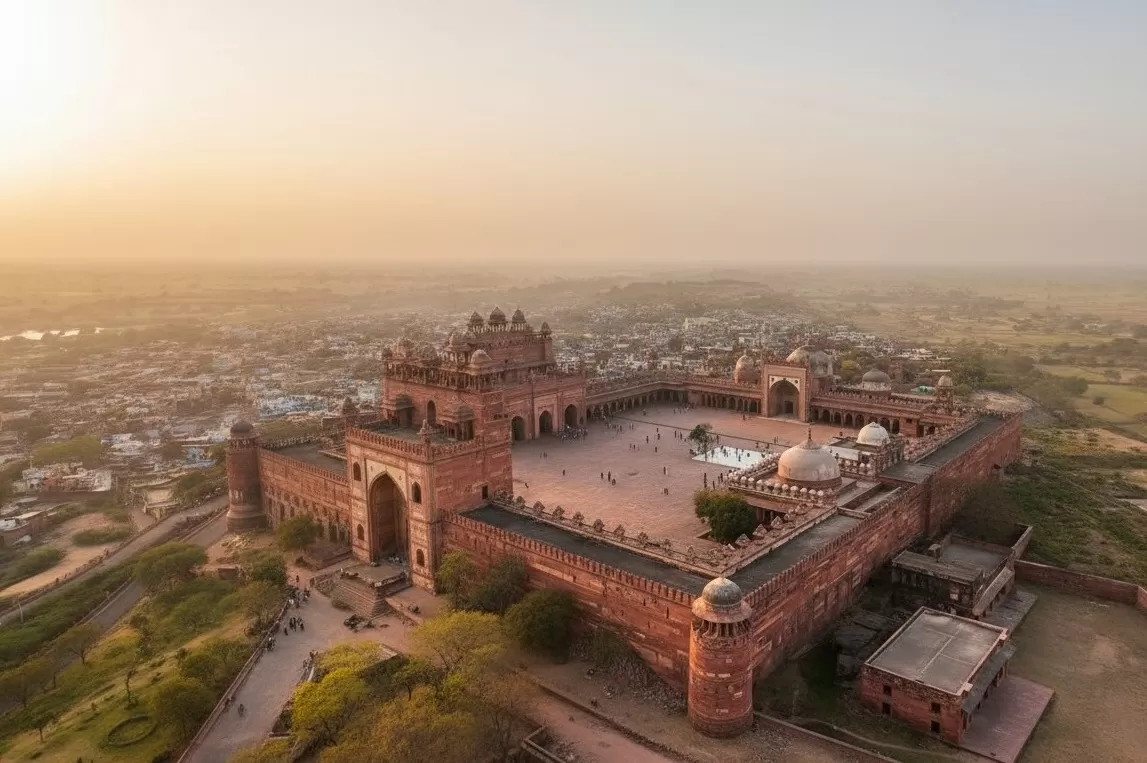
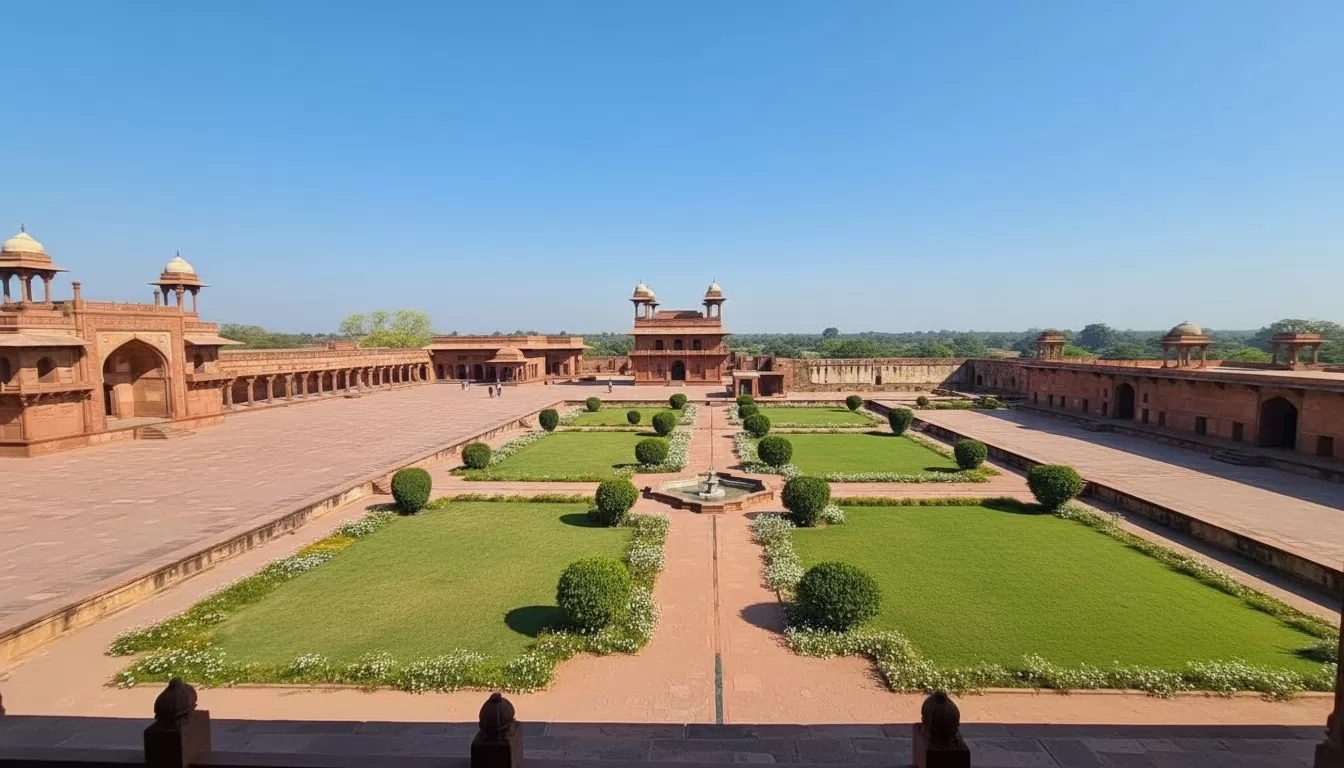
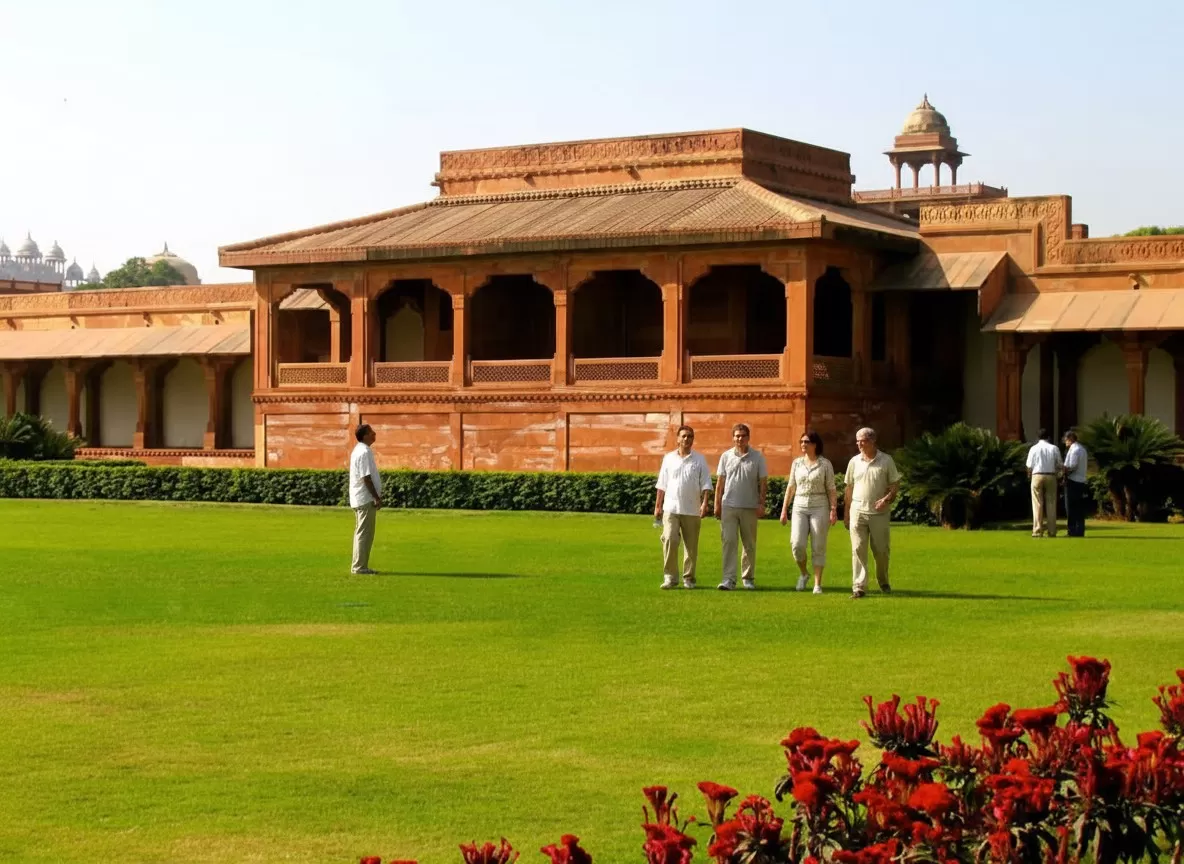
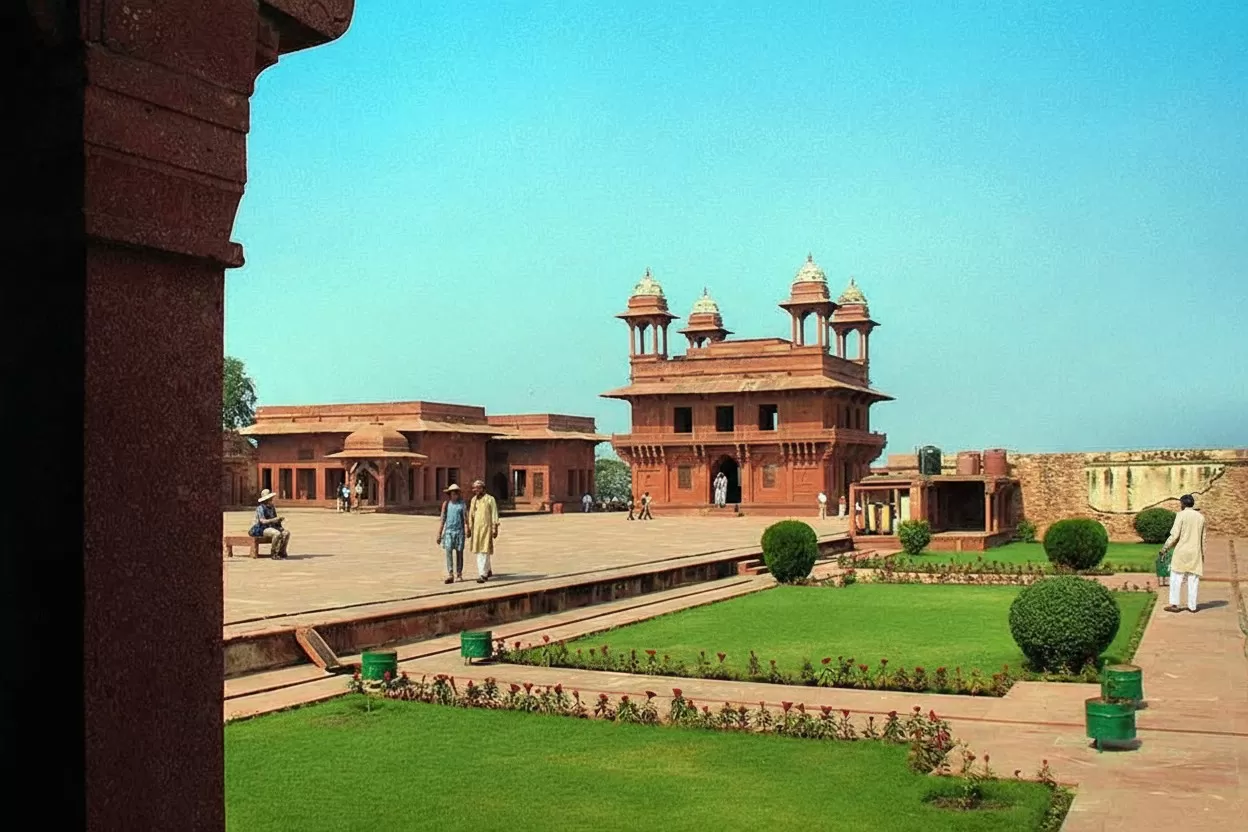
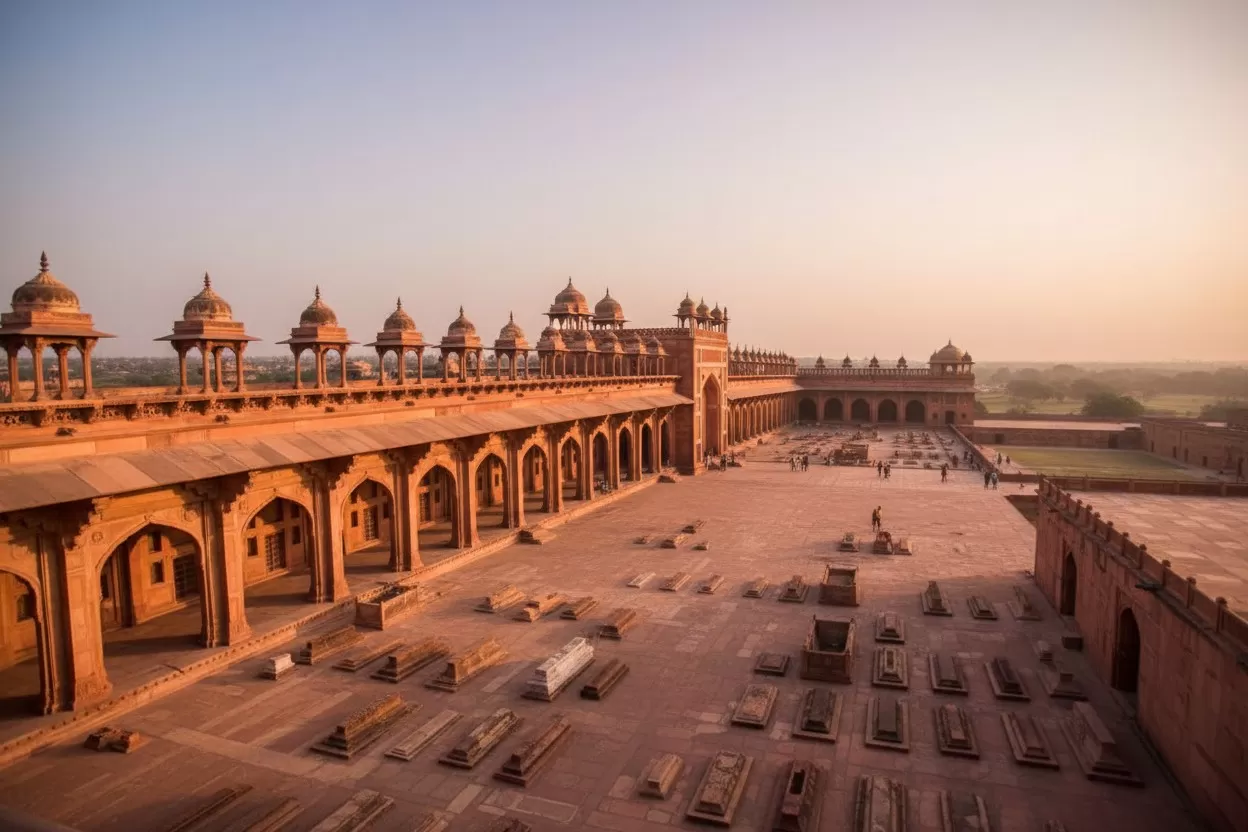
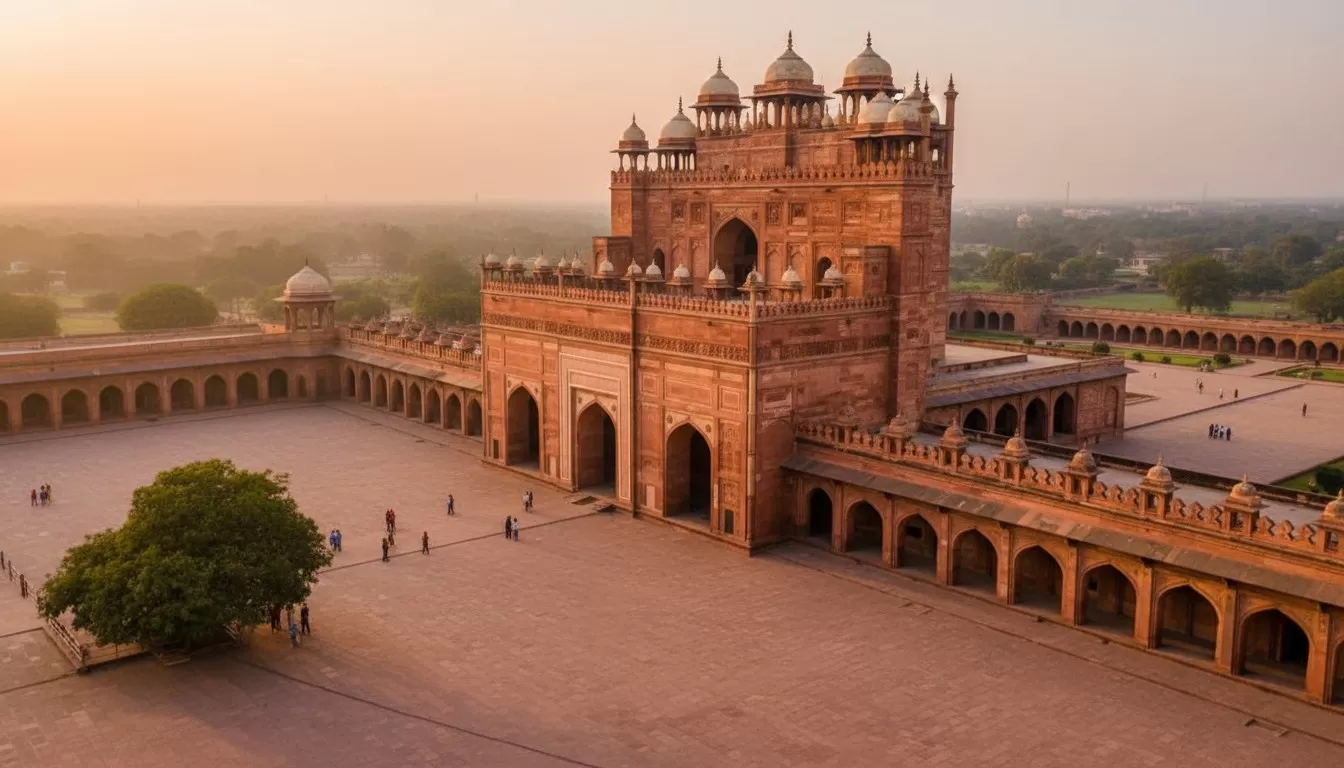
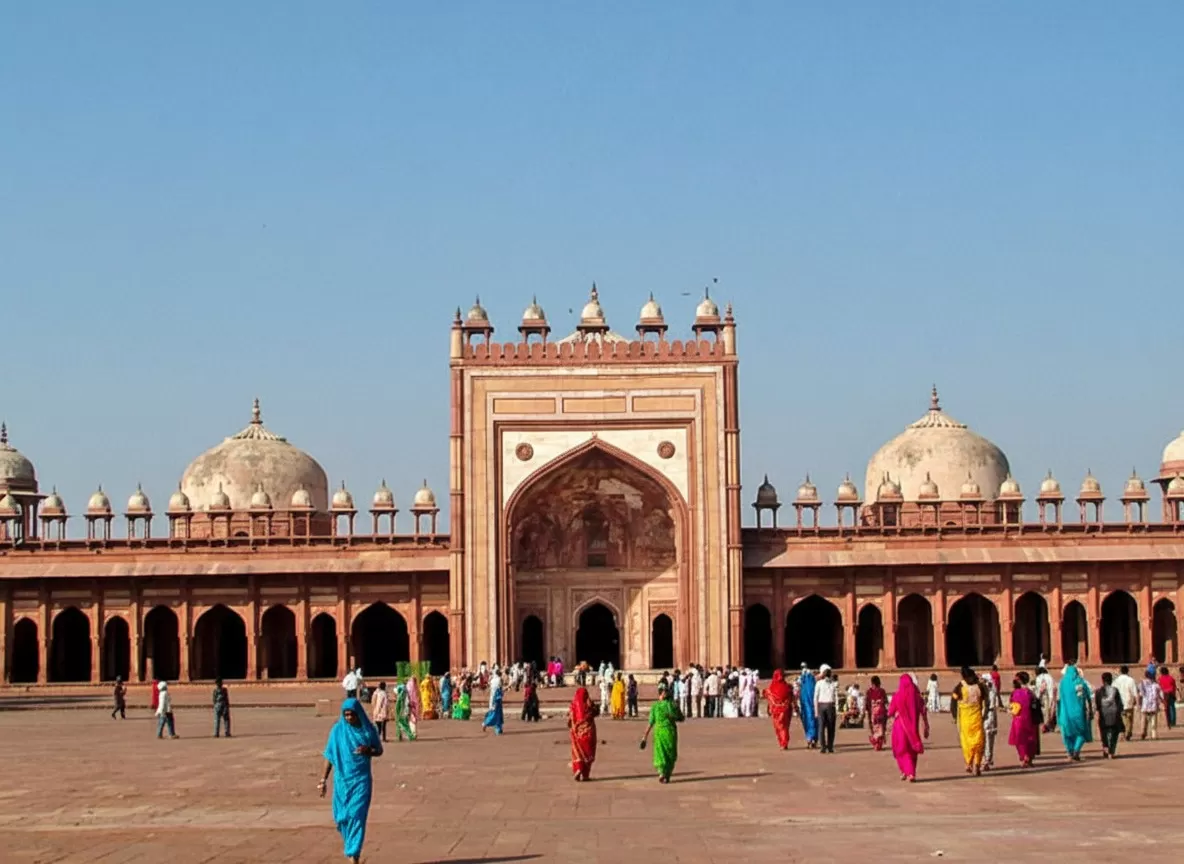
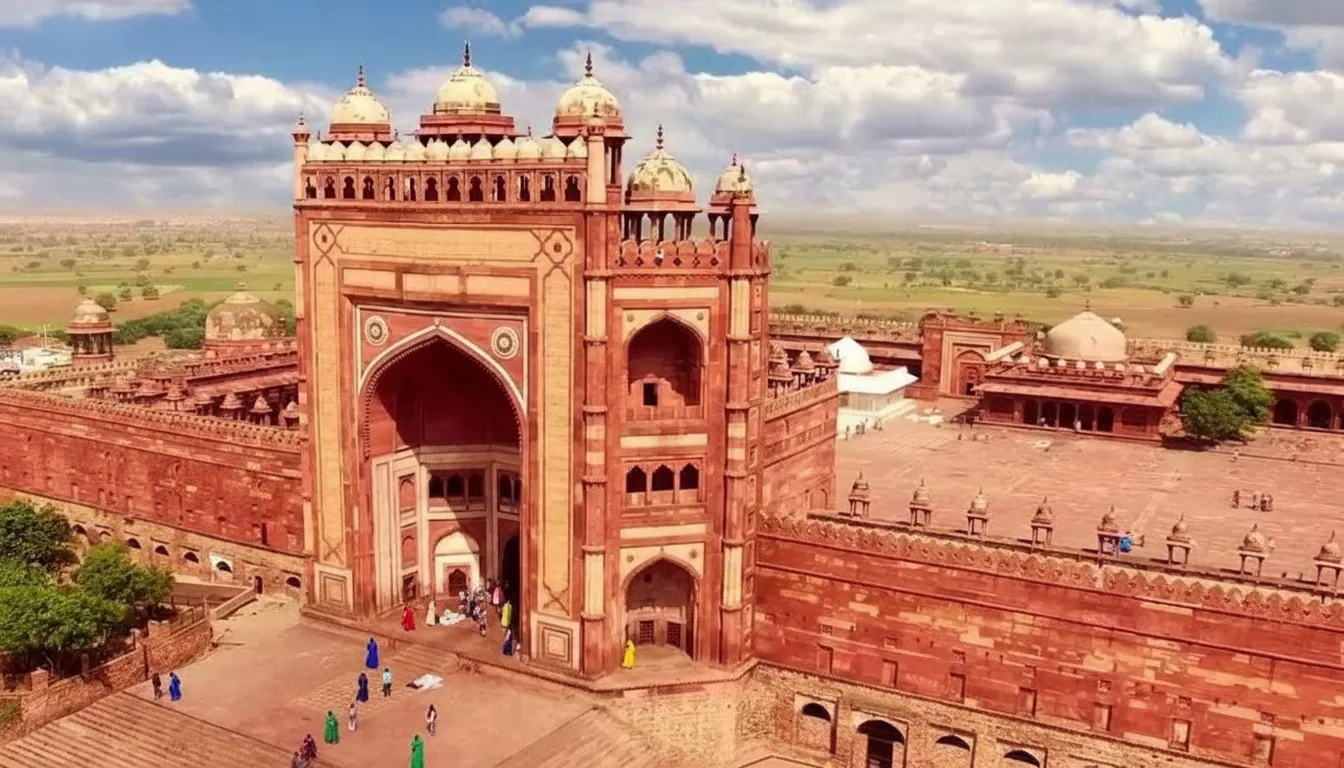
Fatehpur Sikri is a historic city located about 40 km from Agra in Uttar Pradesh. Built in the 16th century by the Mughal Emperor Akbar, it served as the capital of the Mughal Empire for a short period. The city is renowned for its magnificent red sandstone architecture, grand palaces, mosques, and courtyards. Recognized as a UNESCO World Heritage Site, Fatehpur Sikri reflects a unique blend of Hindu, Persian, and Islamic architectural styles and remains one of India's most important historical attractions.
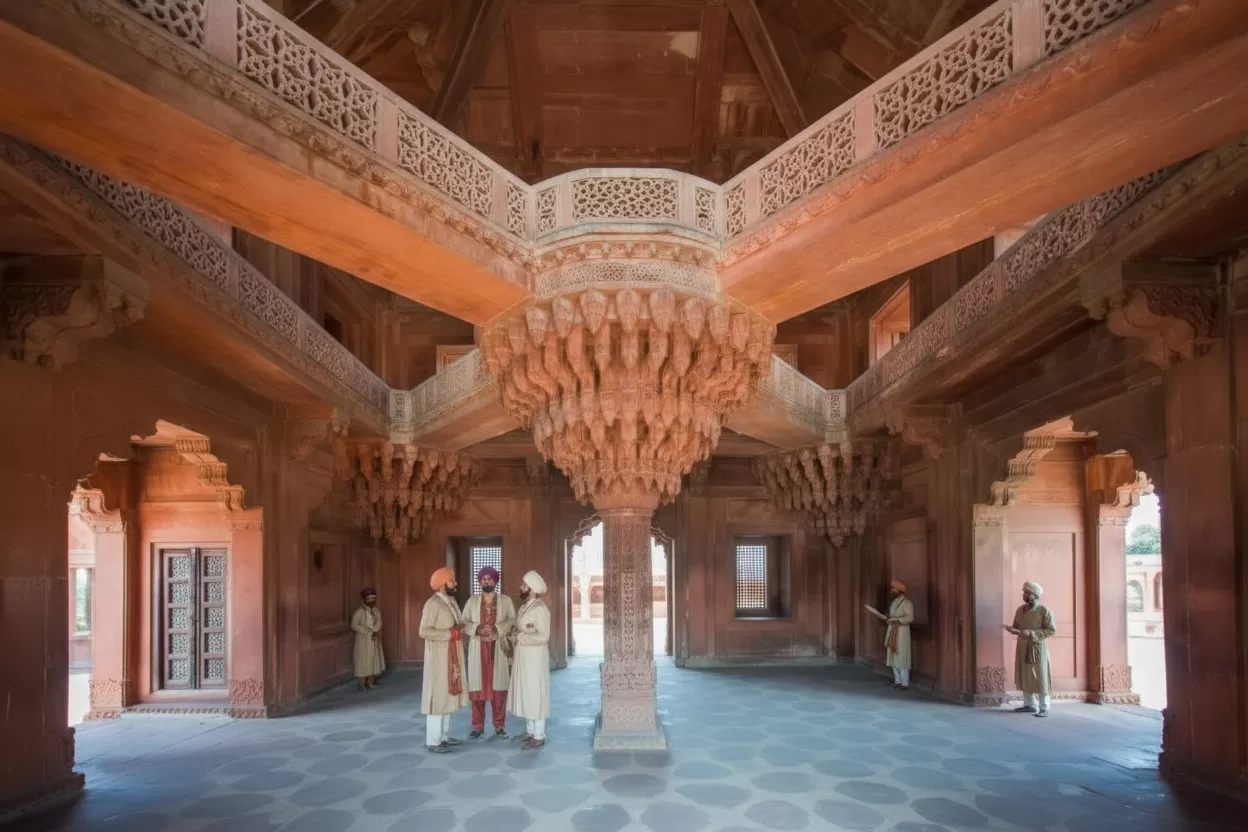
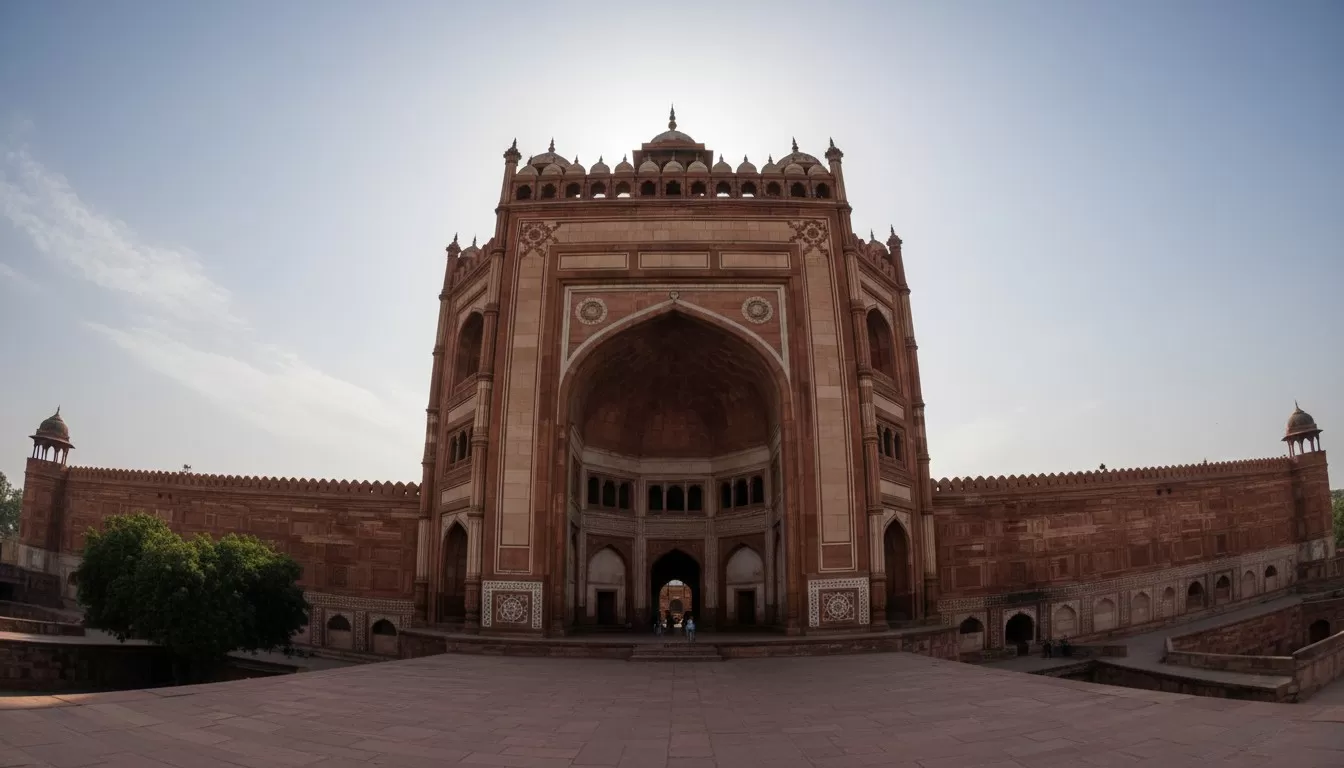
Fatehpur Sikri stands as one of the most remarkable examples of Mughal architecture and urban planning in India. Founded in 1571 by Emperor Akbar, the city was built to honor the Sufi saint Sheikh Salim Chishti, whose blessings were believed to have helped Akbar gain an heir. The emperor transformed this location into the capital of the Mughal Empire, creating a magnificent city filled with palaces, administrative buildings, religious structures, and residential quarters.Constructed primarily from red sandstone, Fatehpur Sikri showcases a fascinating blend of Persian, Islamic, and Hindu architectural styles. The city's most famous landmark is the impressive Buland Darwaza, a monumental gateway that symbolizes Akbar's victory over Gujarat. Other notable structures include Jama Masjid, one of India's largest mosques, the serene Tomb of Sheikh Salim Chishti, Panch Mahal with its five-tiered design, Diwan-i-Khas featuring the famous central pillar, and Jodha Bai's Palace known for its elegant architecture.
The layout of the city reflects Akbar's vision of governance, culture, and religious tolerance. Many buildings display intricate carvings, decorative brackets, geometric patterns, and artistic motifs that highlight the craftsmanship of the Mughal era. Although Fatehpur Sikri served as the imperial capital for only about 14 years before being abandoned due to water scarcity and strategic concerns, its architectural grandeur remains largely intact.
Today, visitors from around the world come to admire its historical significance, artistic excellence, and cultural heritage. Walking through its courtyards, gateways, and palaces offers a fascinating glimpse into the glory of the Mughal Empire. As a UNESCO World Heritage Site, Fatehpur Sikri continues to be one of India's most treasured historical destinations and a must-visit attraction for history enthusiasts, architecture lovers, and cultural travelers.
The layout of the city reflects Akbar's vision of governance, culture, and religious tolerance. Many buildings display intricate carvings, decorative brackets, geometric patterns, and artistic motifs that highlight the craftsmanship of the Mughal era. Although Fatehpur Sikri served as the imperial capital for only about 14 years before being abandoned due to water scarcity and strategic concerns, its architectural grandeur remains largely intact.
Today, visitors from around the world come to admire its historical significance, artistic excellence, and cultural heritage. Walking through its courtyards, gateways, and palaces offers a fascinating glimpse into the glory of the Mughal Empire. As a UNESCO World Heritage Site, Fatehpur Sikri continues to be one of India's most treasured historical destinations and a must-visit attraction for history enthusiasts, architecture lovers, and cultural travelers.