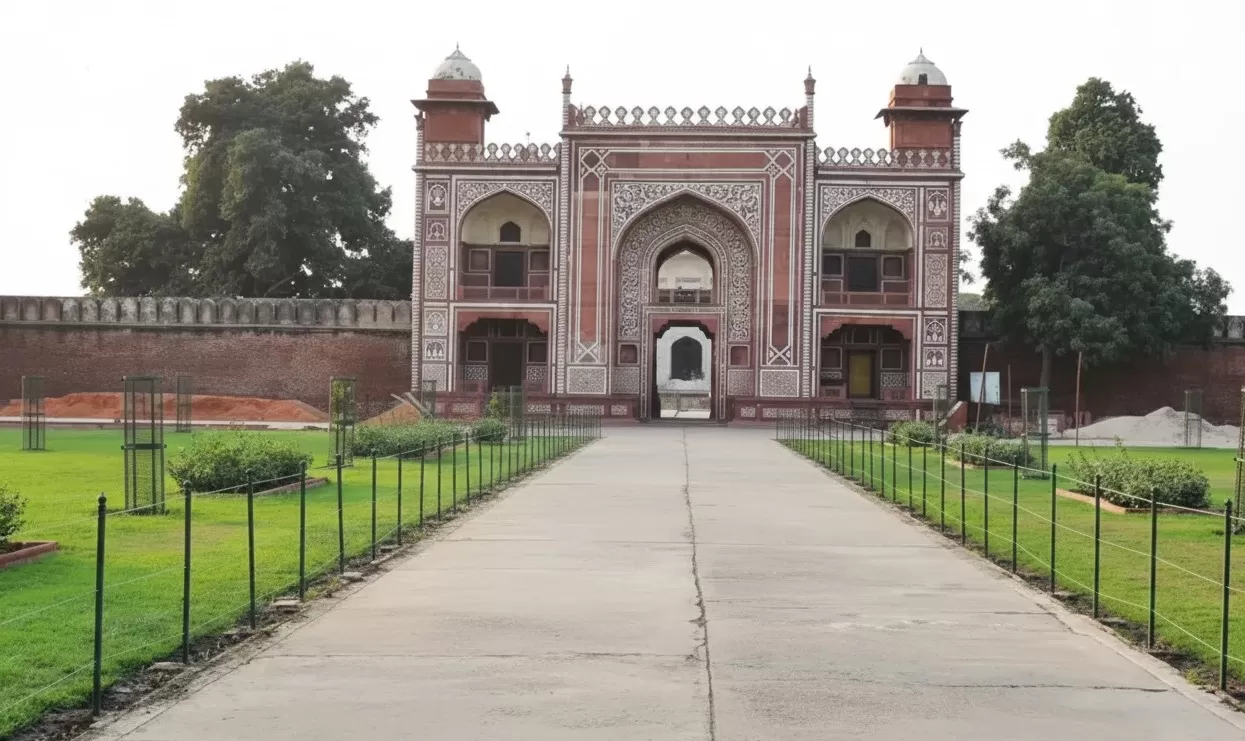
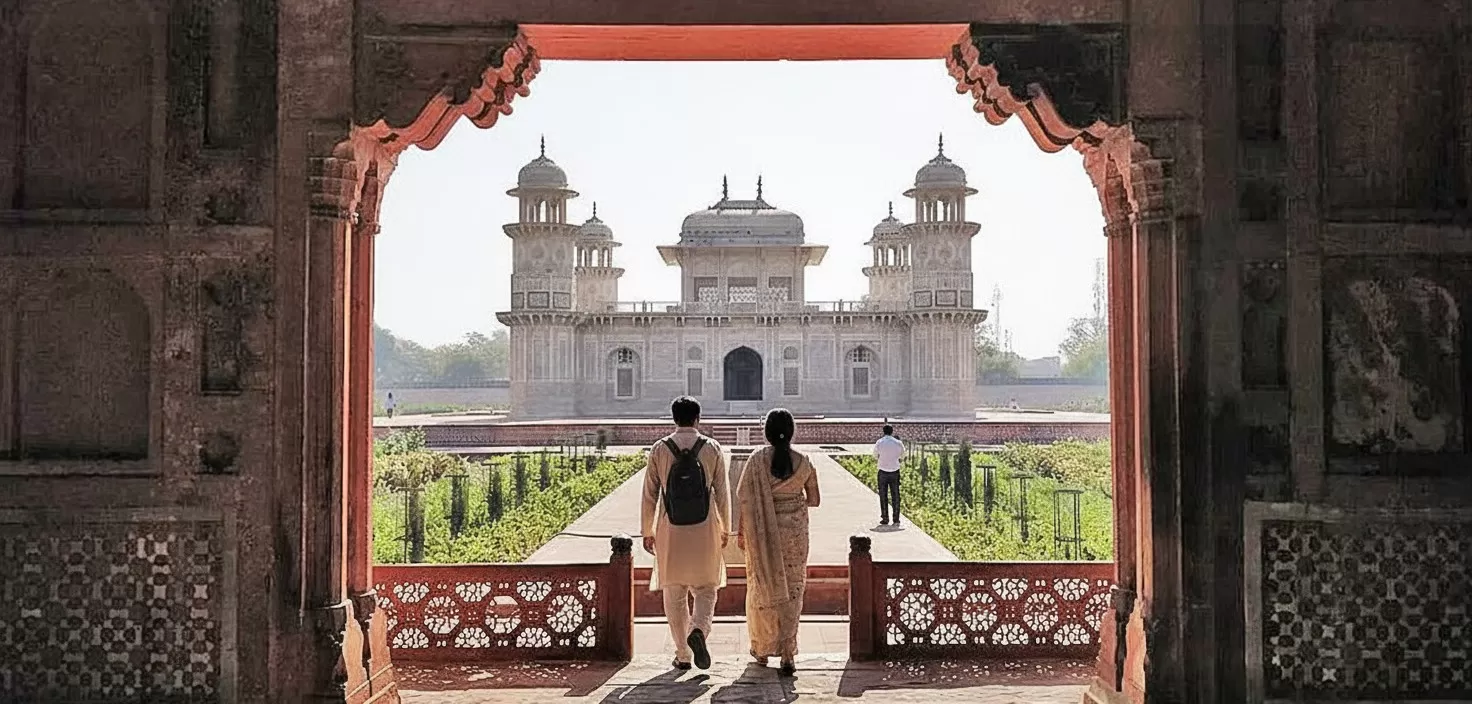
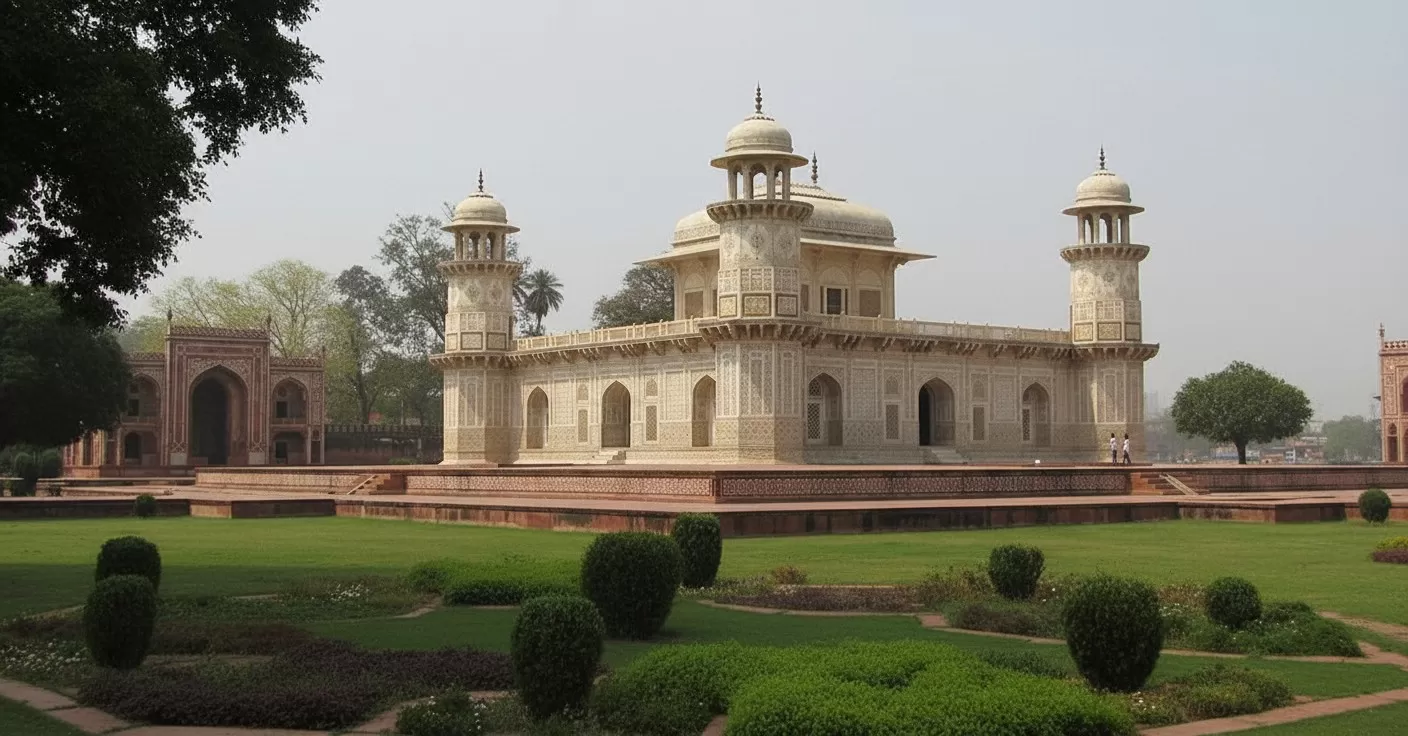
Itmad-ud-Daula, popularly known as the "Baby Taj," is a beautiful Mughal mausoleum located in Agra. Built between 1622 and 1628 by Nur Jahan in memory of her father, Mirza Ghiyas Beg, it is considered a precursor to the famous Taj Mahal. The monument is renowned for its intricate marble inlay work, delicate lattice screens, Persian-inspired architecture, and peaceful riverside setting along the Yamuna River, making it one of Agra's most elegant historical attractions.
Located on the eastern bank of the Yamuna River in Agra, Itmad-ud-Daula is one of the finest examples of early Mughal architecture. Constructed between 1622 and 1628 by Empress Nur Jahan, the monument serves as the tomb of her father, Mirza Ghiyas Beg, who was honored with the title Itmad-ud-Daula, meaning "Pillar of the State." The mausoleum represents a significant transition in Mughal architectural style and is often regarded as the direct predecessor of the Taj Mahal.
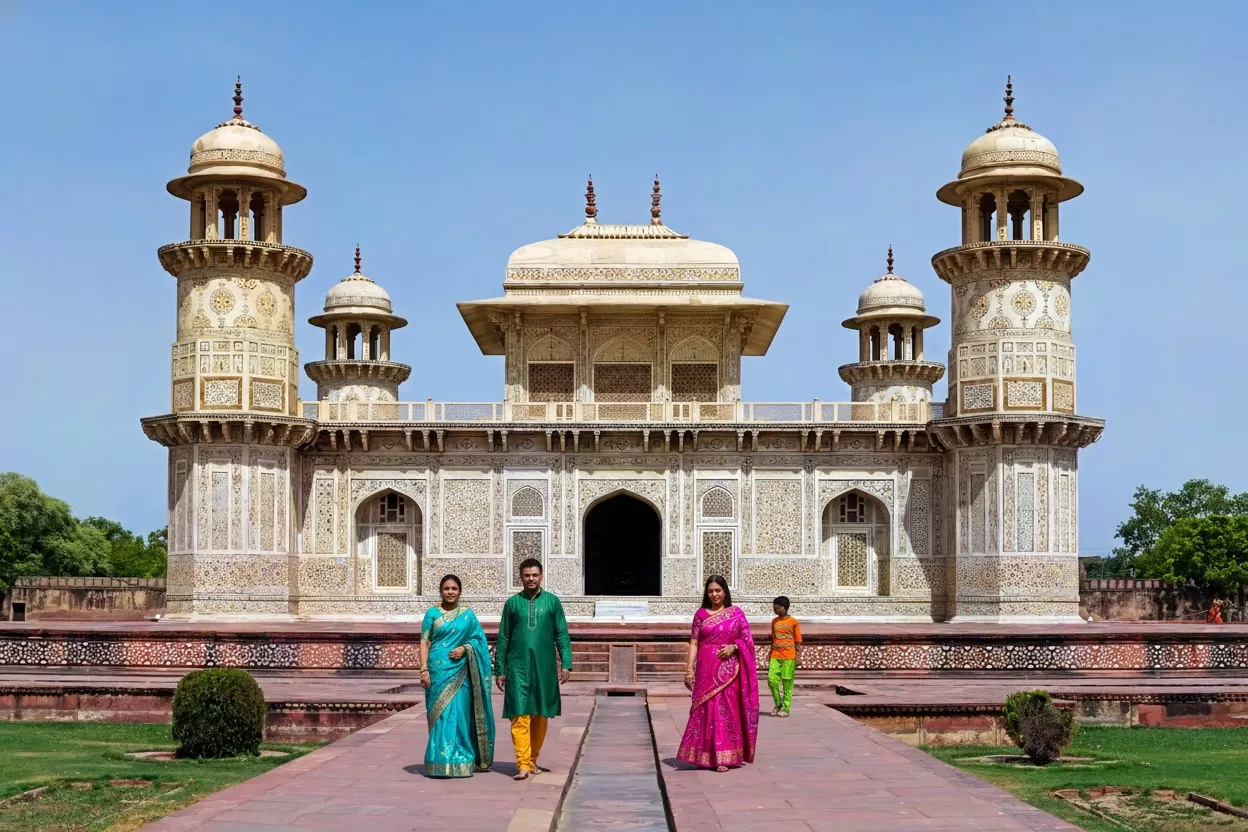
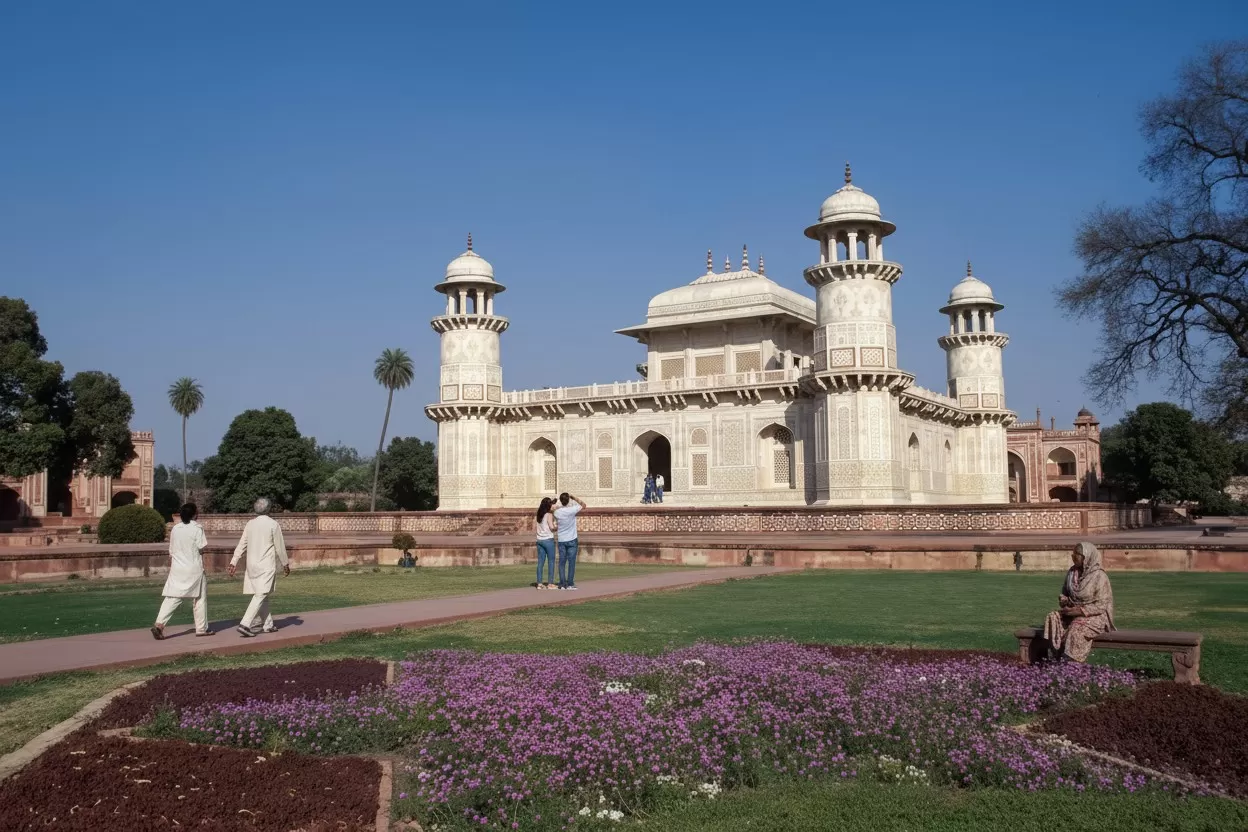
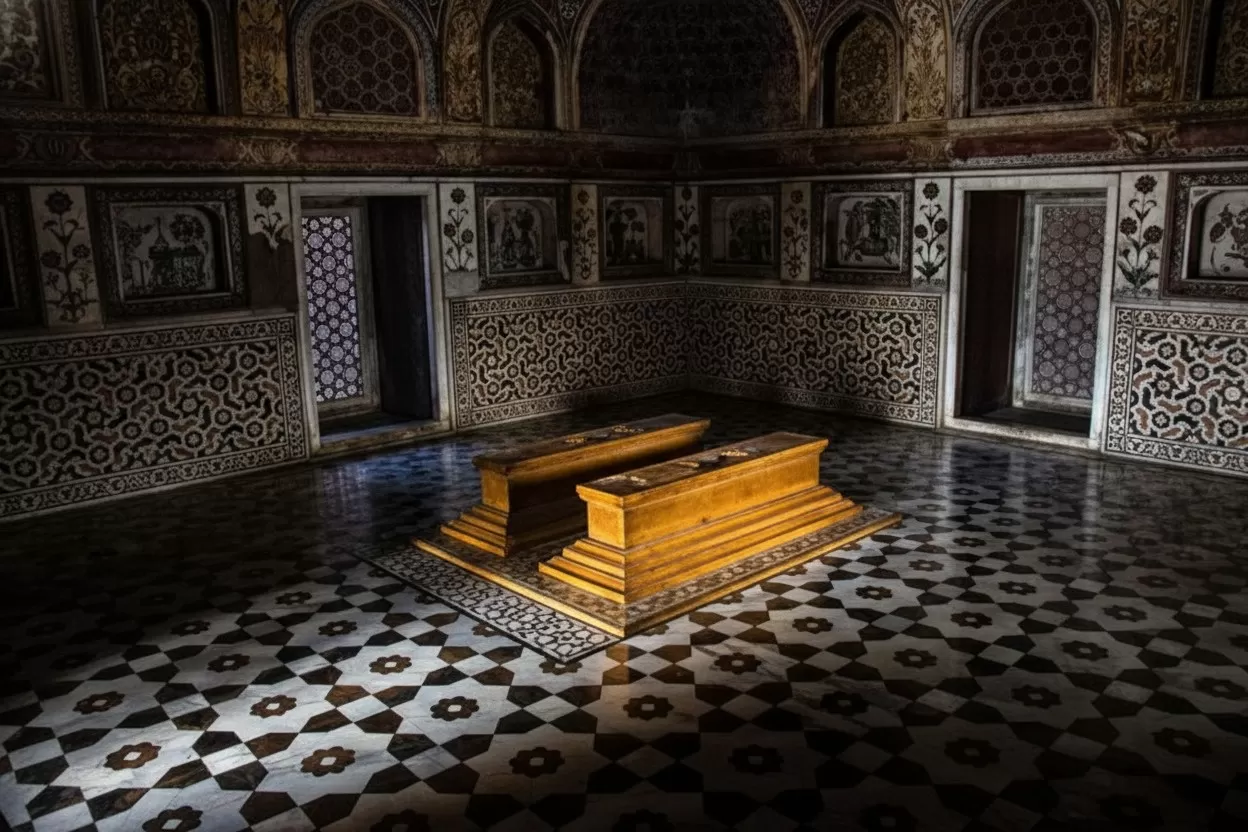
Unlike earlier Mughal tombs that primarily used red sandstone, Itmad-ud-Daula was among the first monuments in India to be built entirely of white marble. The structure is famous for its intricate pietra dura work, where colorful semi-precious stones are inlaid into marble to create floral motifs, geometric patterns, and decorative designs. This artistic technique later reached its peak in the Taj Mahal.
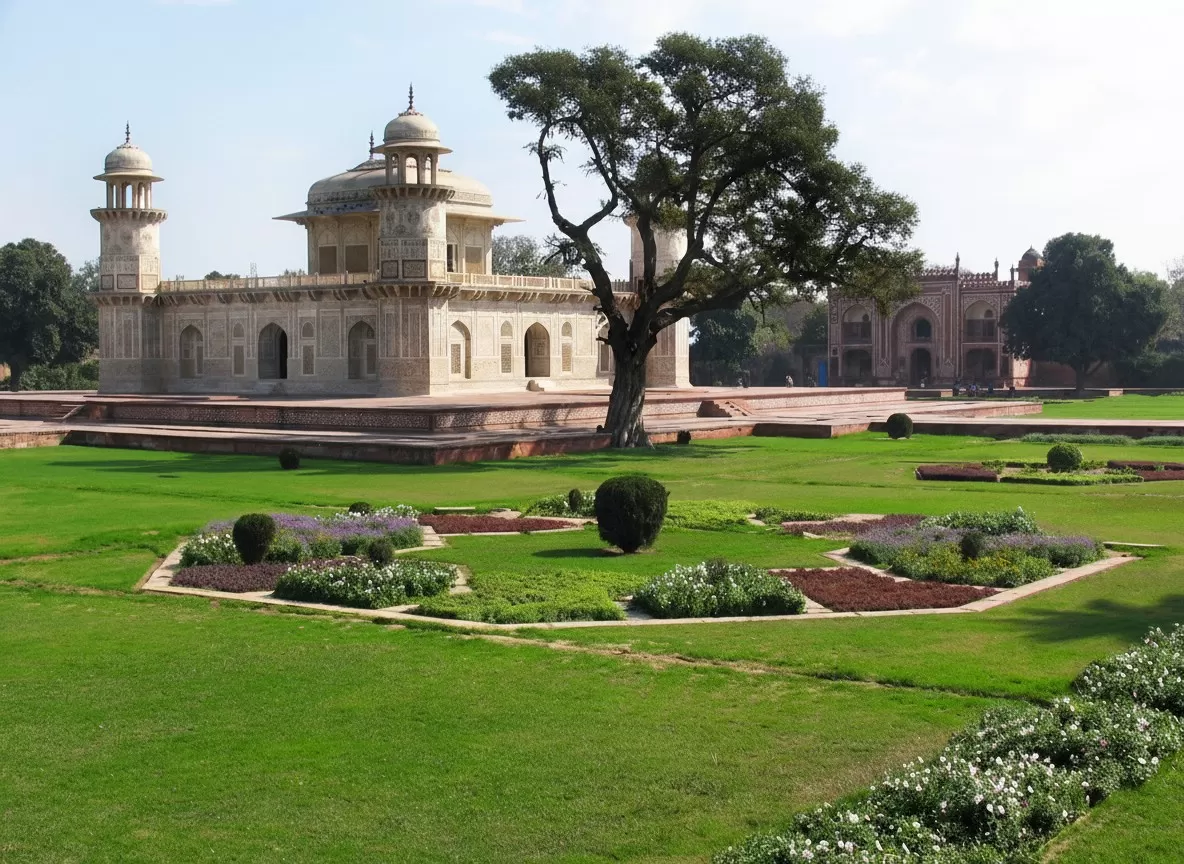
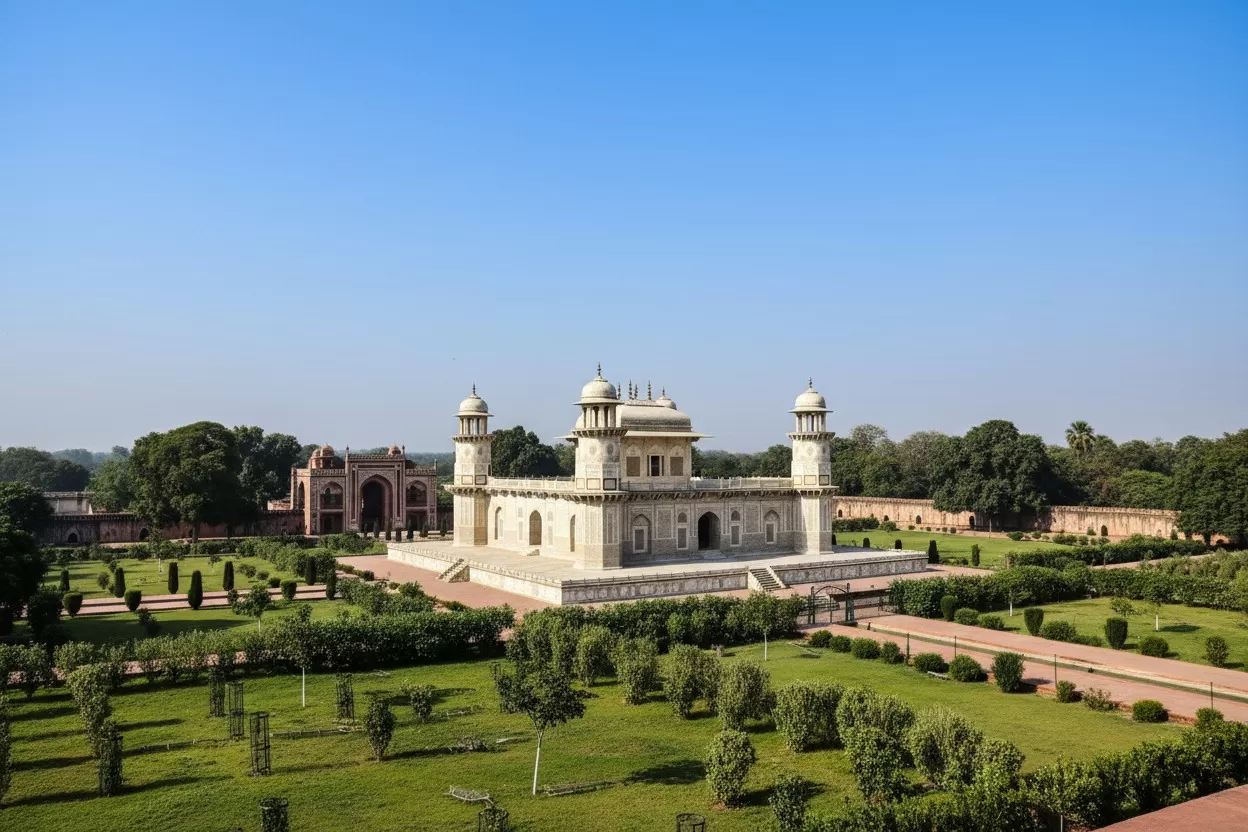
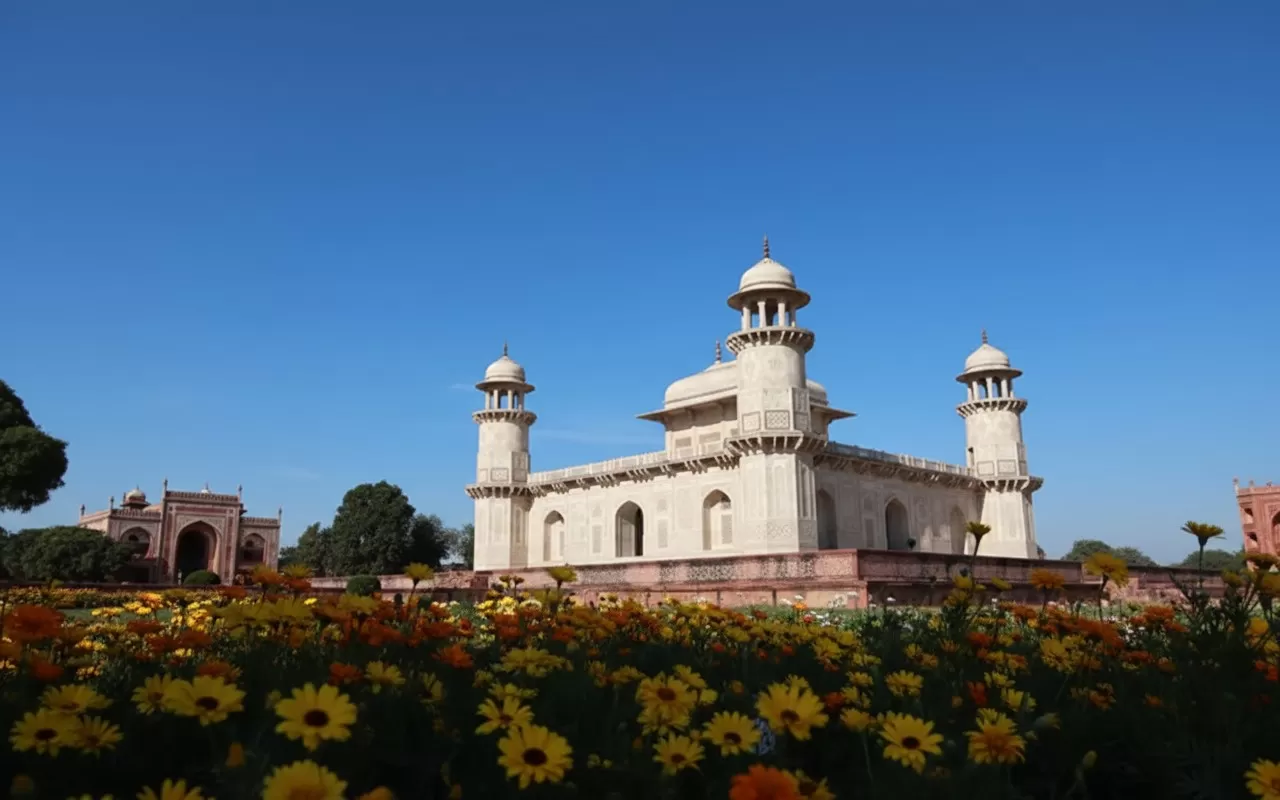
The tomb stands within a beautifully planned Charbagh garden, divided into four symmetrical sections by water channels and pathways. At each corner of the mausoleum rises an elegant octagonal tower, adding balance and grandeur to the structure. The monument's marble lattice screens allow soft light to filter into the interior chambers, creating a serene and graceful atmosphere.
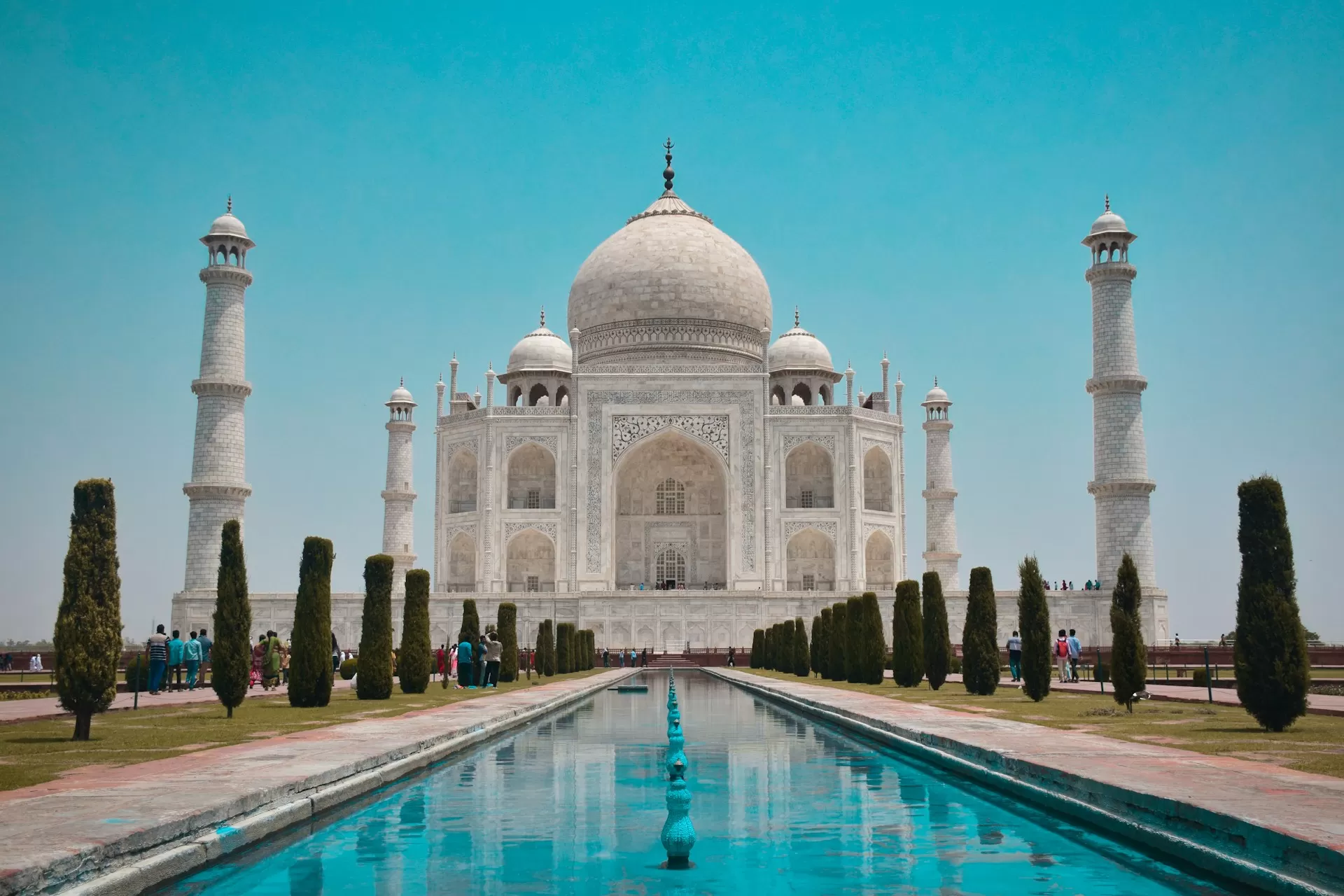
Visitors are often impressed by the fine craftsmanship visible in every corner of the building. Detailed carvings, painted ceilings, and delicate ornamentation reflect the artistic excellence of Mughal artisans. Because it receives fewer visitors than the Taj Mahal, the site offers a quieter and more relaxed experience.Today, Itmad-ud-Daula remains one of Agra's most treasured historical landmarks. Its architectural beauty, historical significance, and peaceful surroundings make it a must-visit destination for travelers interested in Mughal history, heritage architecture, and cultural tourism. The monument beautifully showcases the evolution of Mughal art and design that later culminated in the world-famous Taj Mahal.
Unlike earlier Mughal tombs that primarily used red sandstone, Itmad-ud-Daula was among the first monuments in India to be built entirely of white marble. The structure is famous for its intricate pietra dura work, where colorful semi-precious stones are inlaid into marble to create floral motifs, geometric patterns, and decorative designs. This artistic technique later reached its peak in the Taj Mahal.
The tomb stands within a beautifully planned Charbagh garden, divided into four symmetrical sections by water channels and pathways. At each corner of the mausoleum rises an elegant octagonal tower, adding balance and grandeur to the structure. The monument's marble lattice screens allow soft light to filter into the interior chambers, creating a serene and graceful atmosphere.
Visitors are often impressed by the fine craftsmanship visible in every corner of the building. Detailed carvings, painted ceilings, and delicate ornamentation reflect the artistic excellence of Mughal artisans. Because it receives fewer visitors than the Taj Mahal, the site offers a quieter and more relaxed experience.Today, Itmad-ud-Daula remains one of Agra's most treasured historical landmarks. Its architectural beauty, historical significance, and peaceful surroundings make it a must-visit destination for travelers interested in Mughal history, heritage architecture, and cultural tourism. The monument beautifully showcases the evolution of Mughal art and design that later culminated in the world-famous Taj Mahal.