
Jantar Mantar Jaipur is a UNESCO World Heritage astronomical observatory built by Maharaja Sawai Jai Singh II in the 18th century. It contains the world’s largest stone sundial and a collection of 19 astronomical instruments used to measure time, track celestial bodies, and predict eclipses. Located near City Palace in Jaipur, it reflects advanced ancient Indian science and architectural precision. The site remains one of the best-preserved observatories of its kind and attracts students, historians, and tourists interested in astronomy and heritage.
Jantar Mantar Jaipur is one of the most remarkable scientific heritage sites in India, showcasing the brilliance of 18th-century astronomical knowledge. Constructed by Maharaja Sawai Jai Singh II in 1734, it is part of a series of five observatories built across India, but the Jaipur observatory remains the largest and best preserved.
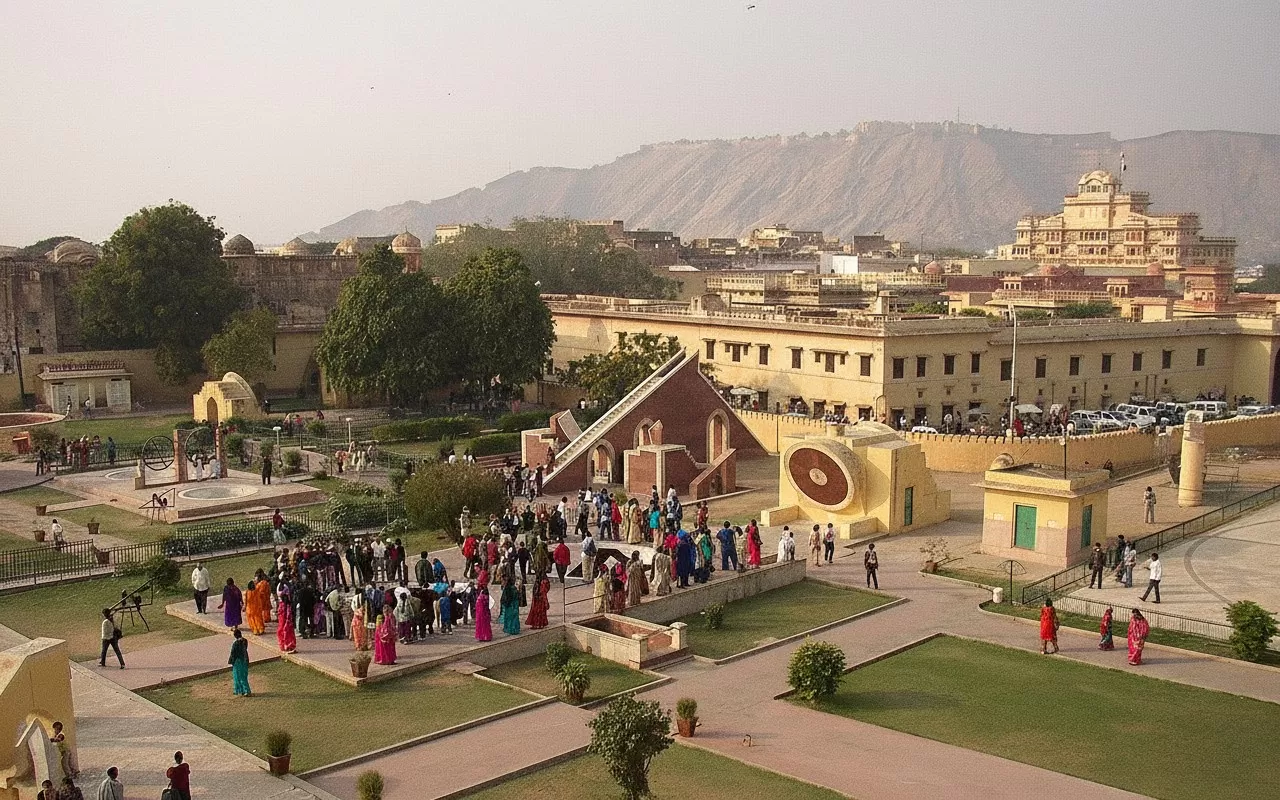
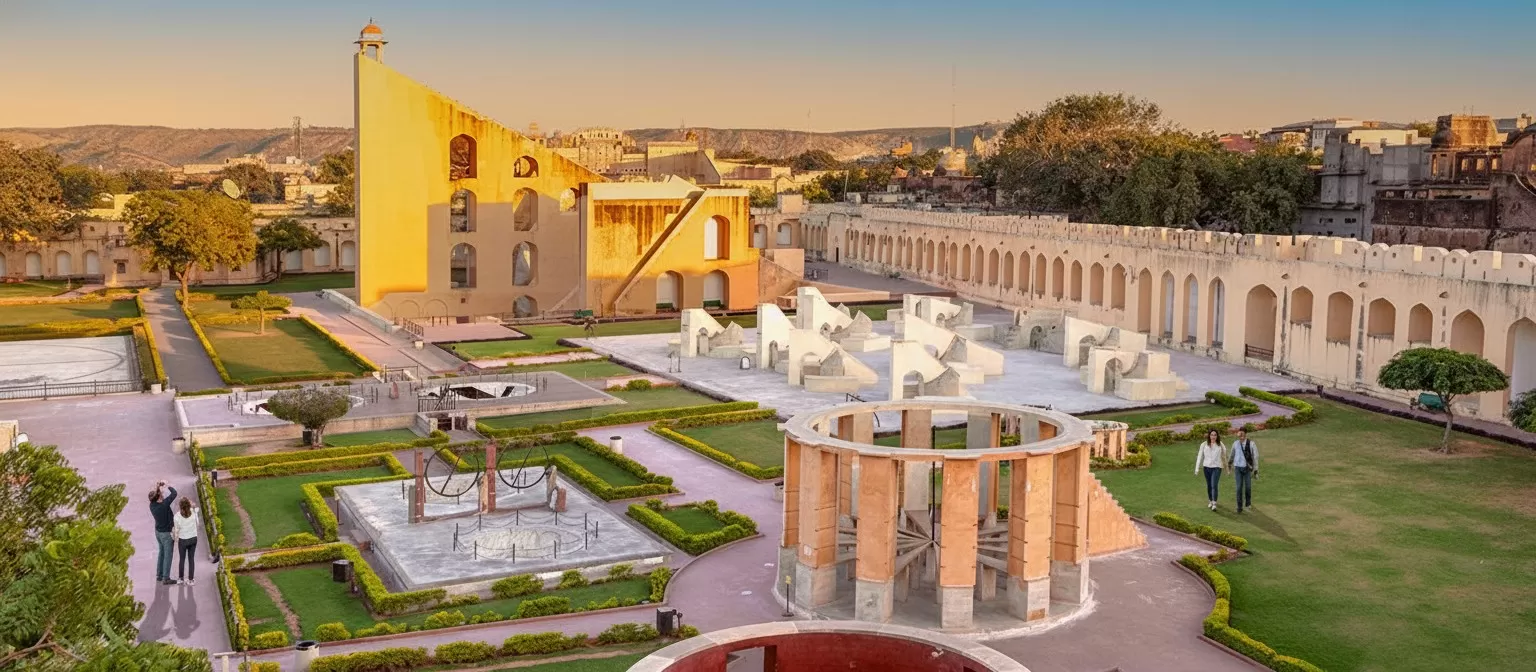
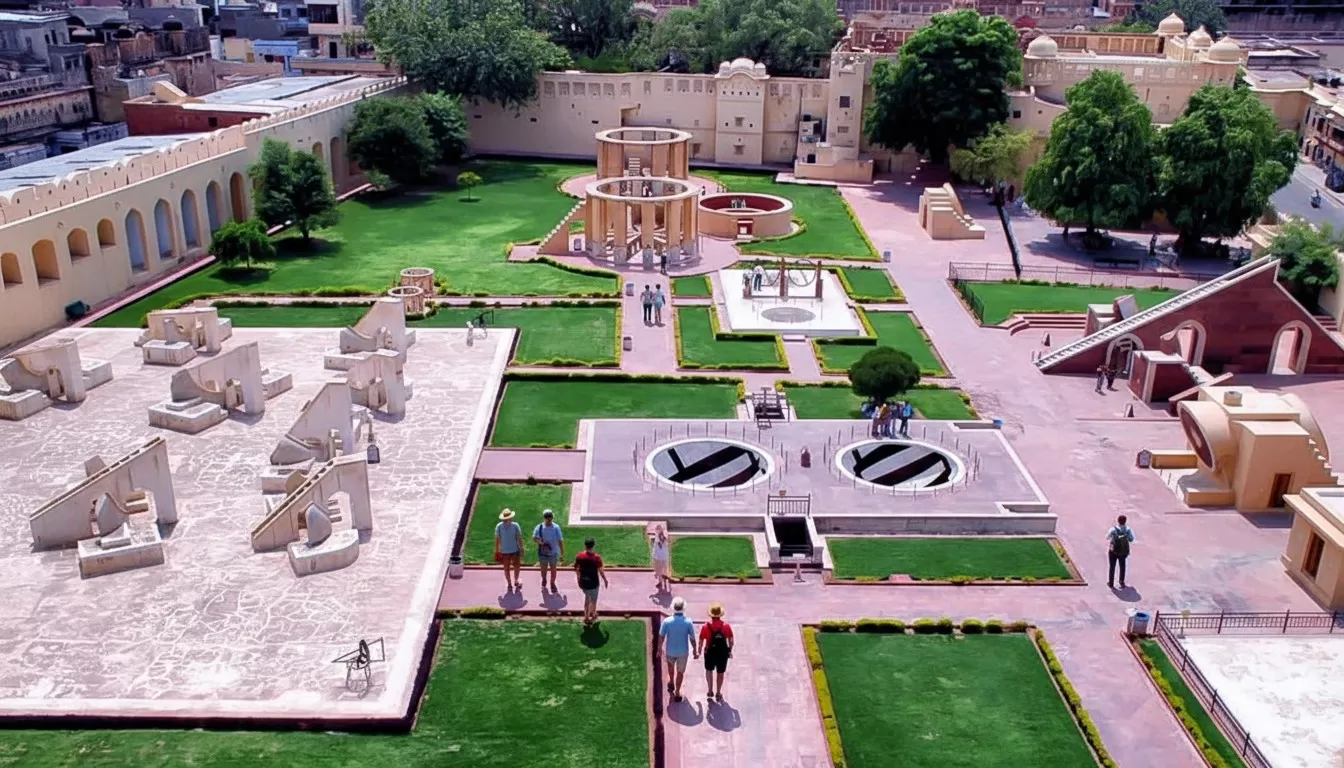
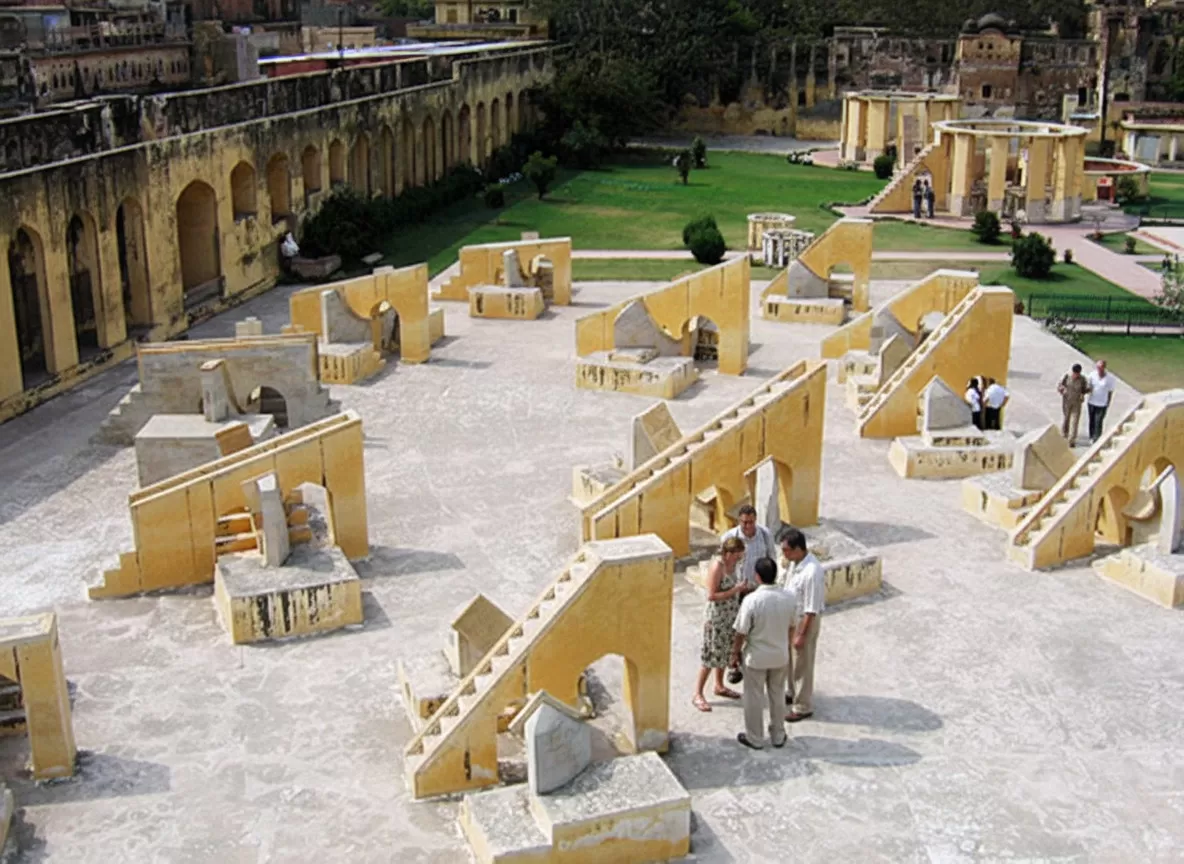
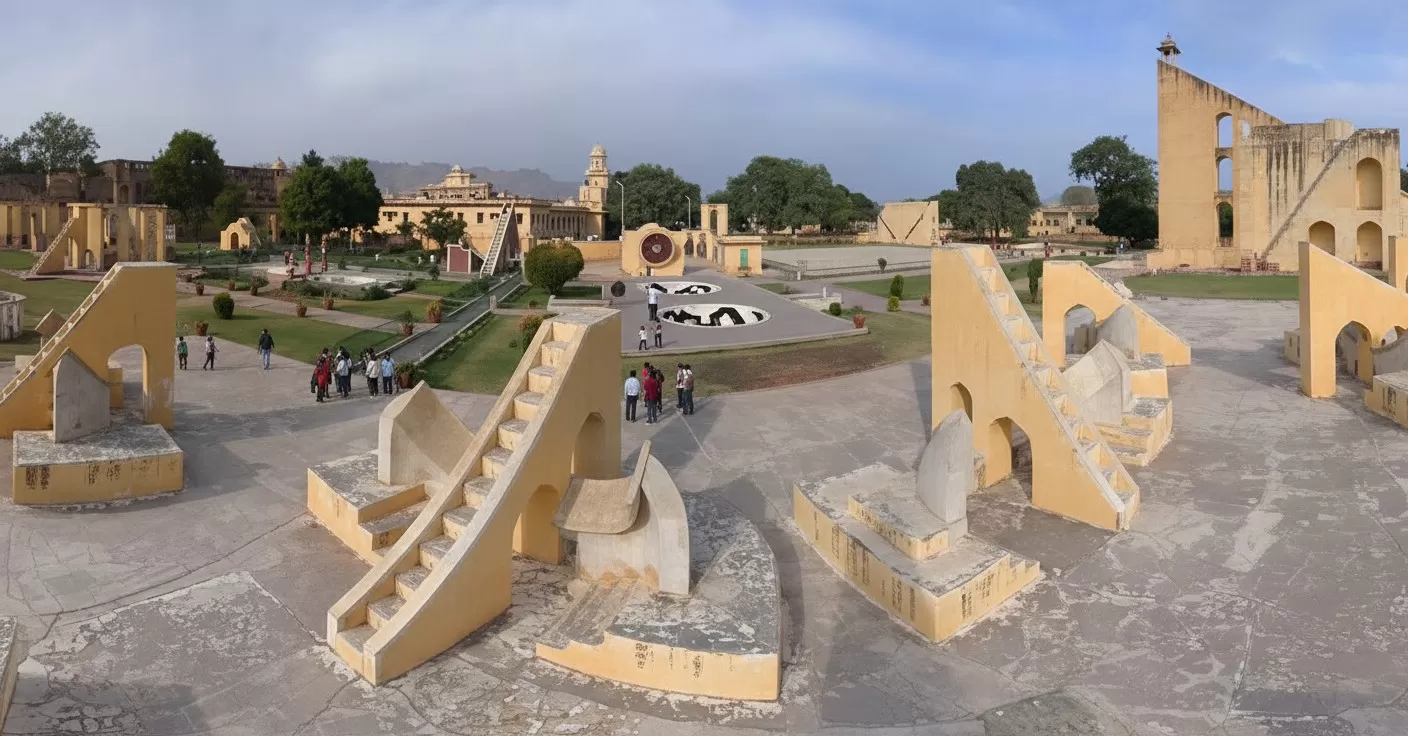
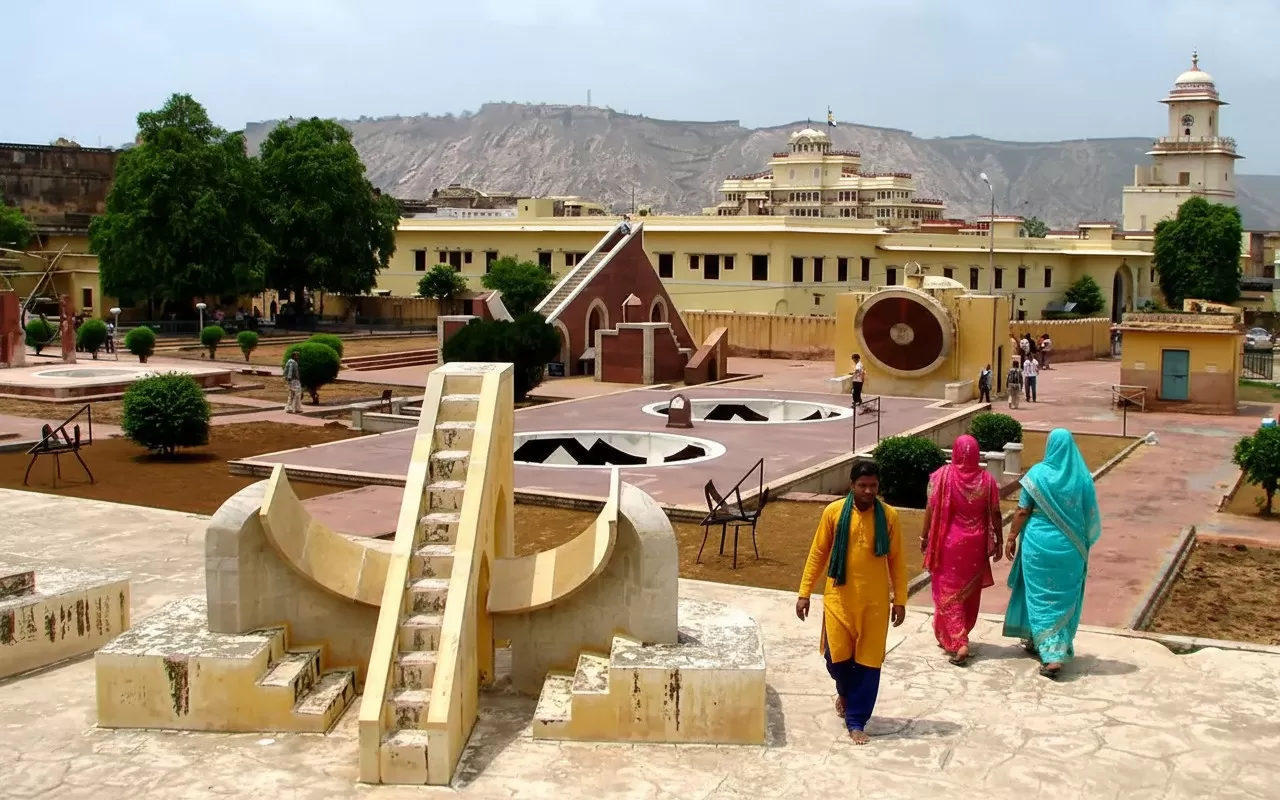
The site consists of 19 large architectural instruments made of stone and marble, each designed for specific astronomical calculations. Unlike modern telescopes, these instruments are fixed structures aligned with celestial bodies to measure time, predict eclipses, track stars, and determine planetary positions with impressive accuracy.
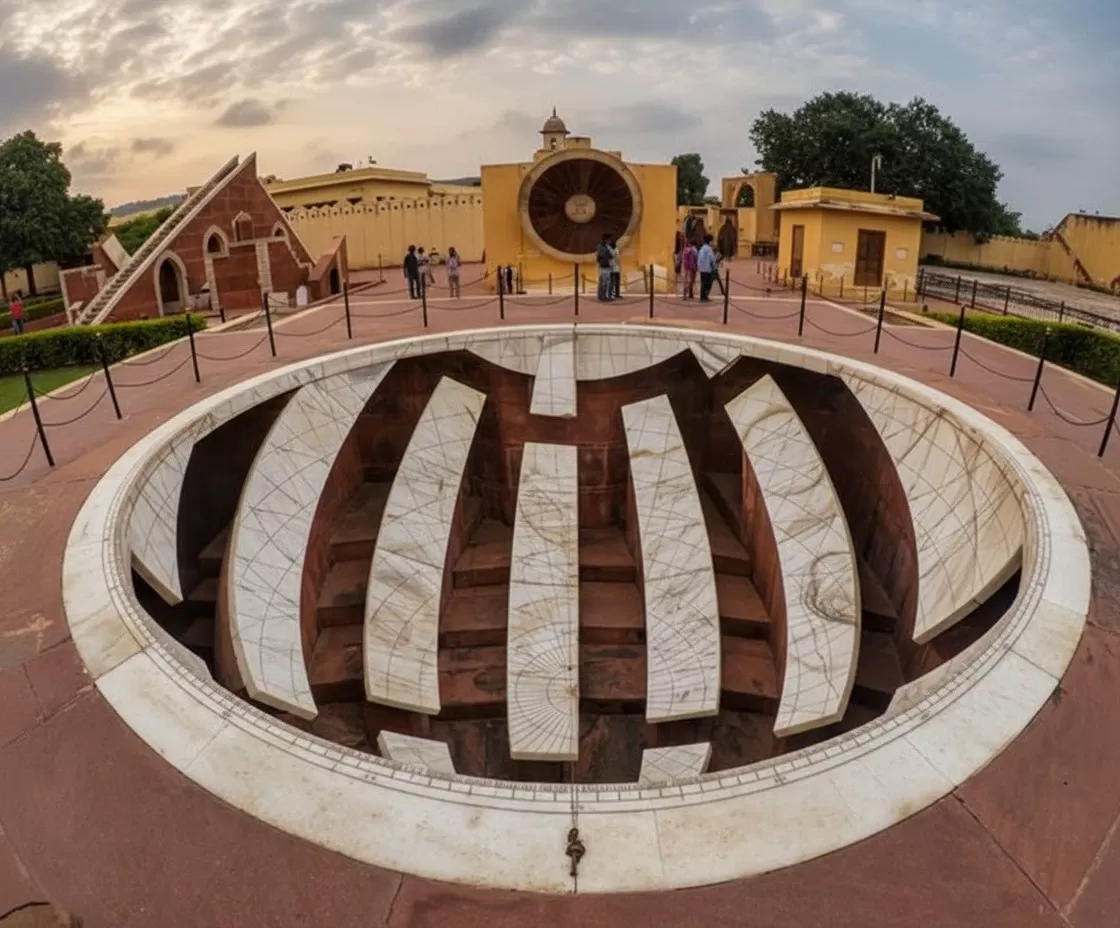
The most famous structure is the Samrat Yantra, a massive sundial that can measure time accurately up to a few seconds. Another key instrument, the Jai Prakash Yantra, helps locate celestial objects by reflecting the sky’s position on concave surfaces. These instruments demonstrate the advanced understanding of astronomy and mathematics in ancient India.
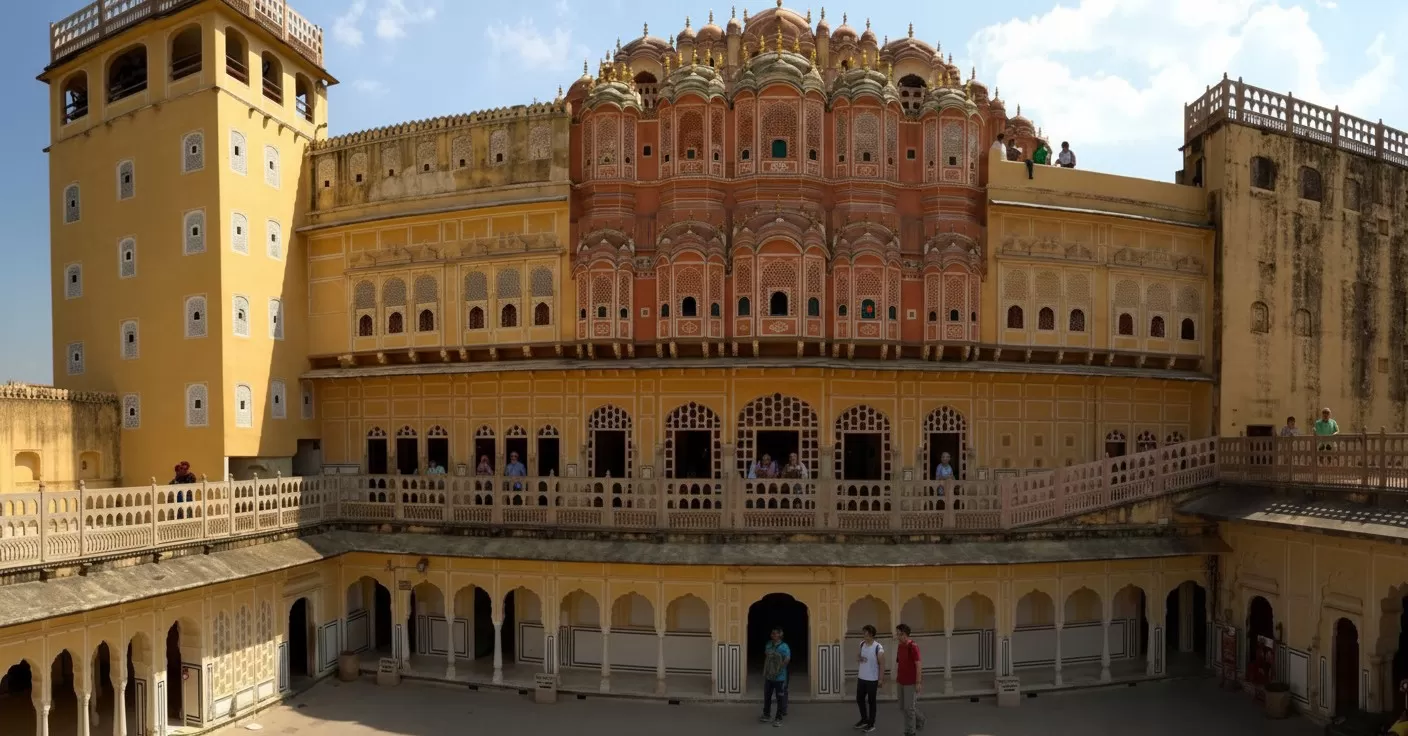
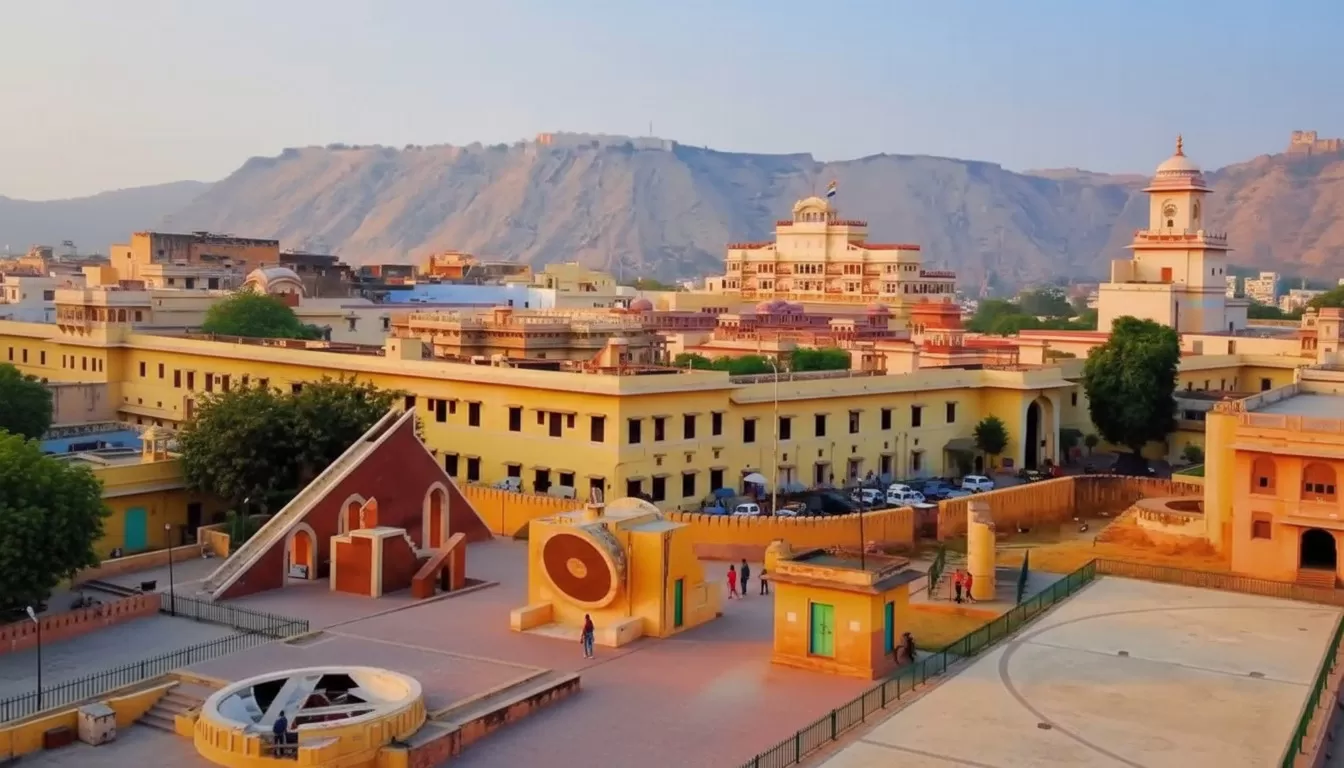
Located in the heart of Jaipur, near the City Palace and Hawa Mahal, Jantar Mantar is a UNESCO World Heritage Site that attracts tourists, students, researchers, and photography enthusiasts. Its geometric structures and historical significance make it a unique blend of science and architecture.Visitors can explore the site in 1–2 hours, preferably with a guide to understand the working principles of each instrument. The open layout offers excellent photography opportunities, especially during morning and evening light.
Today, Jantar Mantar stands not just as a tourist attraction but as a symbol of India’s scientific heritage and innovation. It continues to inspire curiosity about astronomy and ancient engineering, making it a must-visit destination in Jaipur for anyone interested in history, science, and culture.
The site consists of 19 large architectural instruments made of stone and marble, each designed for specific astronomical calculations. Unlike modern telescopes, these instruments are fixed structures aligned with celestial bodies to measure time, predict eclipses, track stars, and determine planetary positions with impressive accuracy.
The most famous structure is the Samrat Yantra, a massive sundial that can measure time accurately up to a few seconds. Another key instrument, the Jai Prakash Yantra, helps locate celestial objects by reflecting the sky’s position on concave surfaces. These instruments demonstrate the advanced understanding of astronomy and mathematics in ancient India.
Located in the heart of Jaipur, near the City Palace and Hawa Mahal, Jantar Mantar is a UNESCO World Heritage Site that attracts tourists, students, researchers, and photography enthusiasts. Its geometric structures and historical significance make it a unique blend of science and architecture.Visitors can explore the site in 1–2 hours, preferably with a guide to understand the working principles of each instrument. The open layout offers excellent photography opportunities, especially during morning and evening light.
Today, Jantar Mantar stands not just as a tourist attraction but as a symbol of India’s scientific heritage and innovation. It continues to inspire curiosity about astronomy and ancient engineering, making it a must-visit destination in Jaipur for anyone interested in history, science, and culture.