
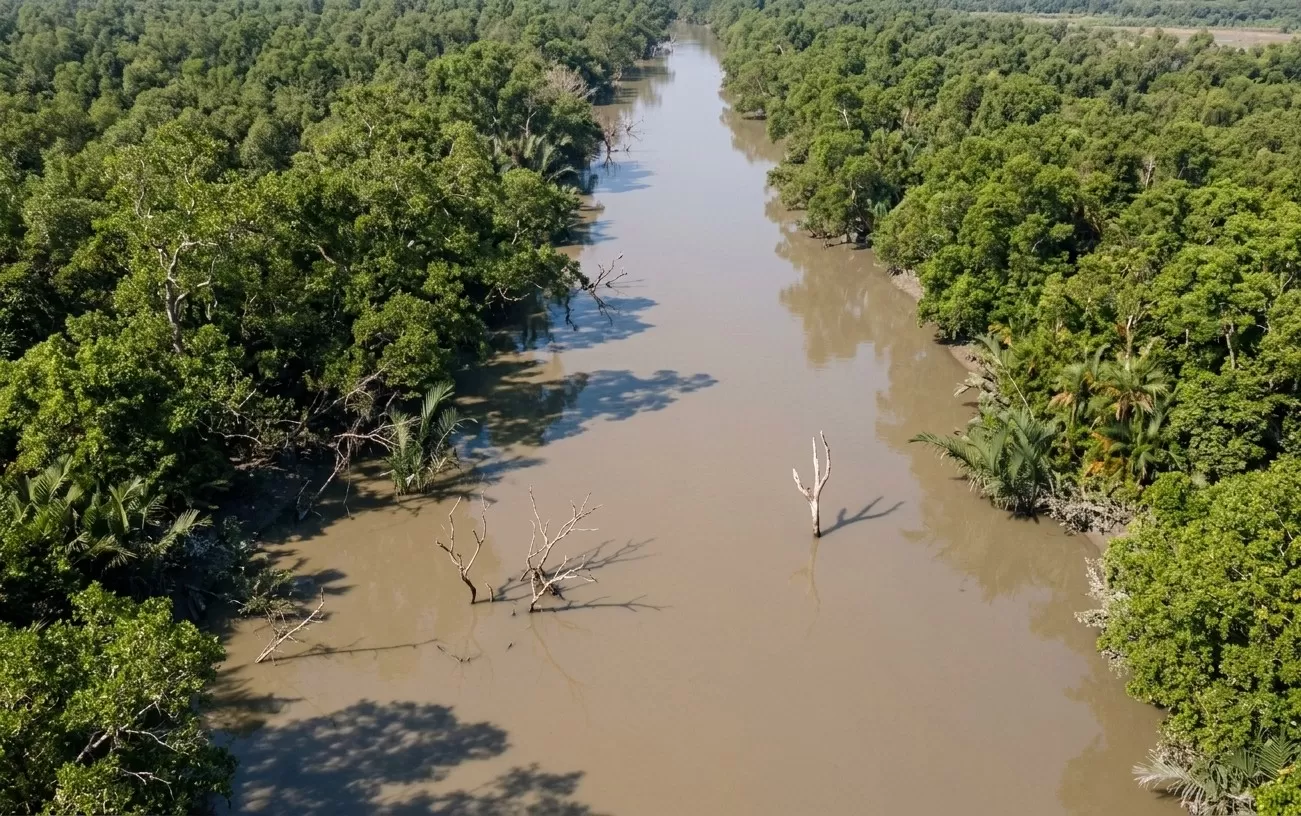


The Sundarbans is the world's largest mangrove forest and one of India's most remarkable natural treasures. Located in the delta formed by the Ganges, Brahmaputra, and Meghna rivers, it is famous for its unique ecosystem and the majestic Royal Bengal Tiger. The region is home to diverse wildlife including crocodiles, spotted deer, dolphins, and hundreds of bird species. Its network of rivers, creeks, and islands creates a breathtaking landscape that attracts nature lovers, wildlife enthusiasts, and adventure seekers from around the world.
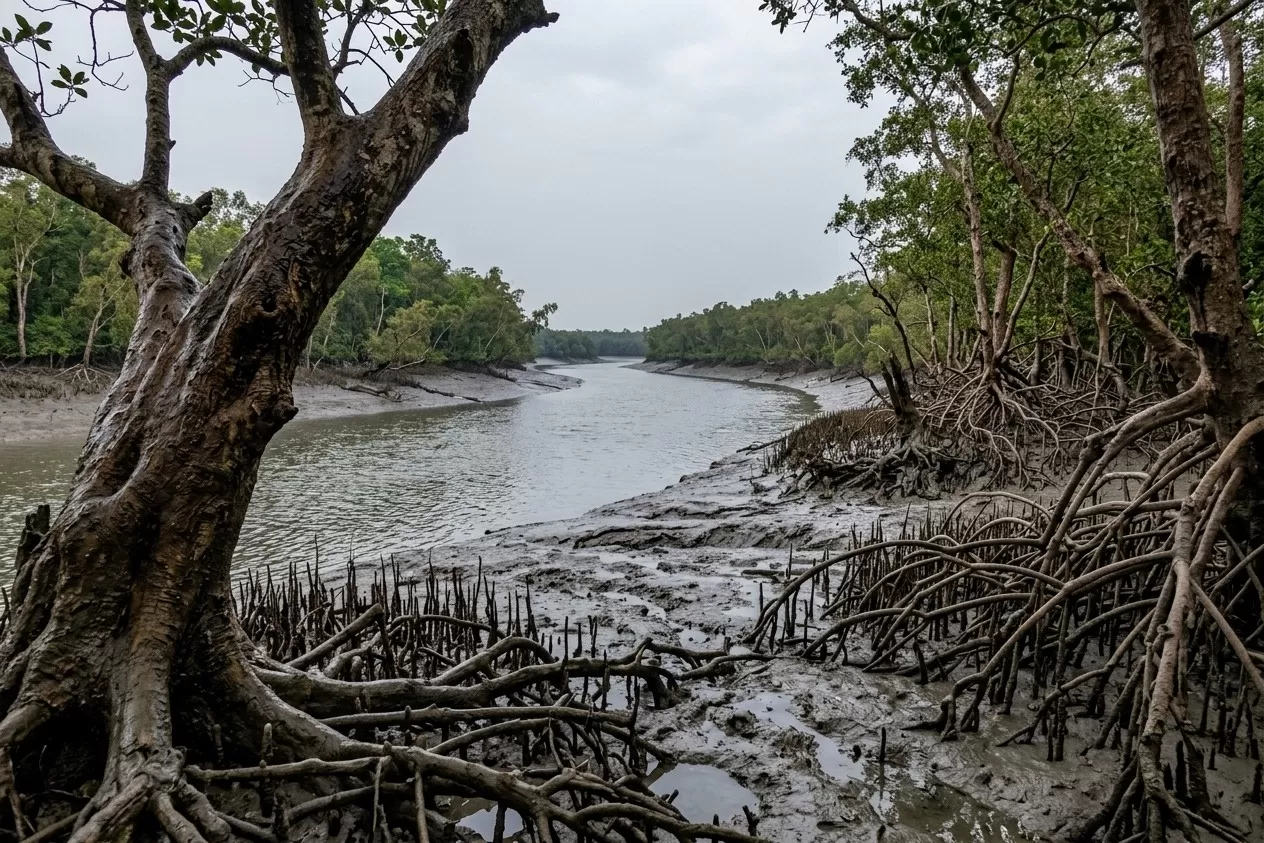
The Sundarbans National Park is one of the most fascinating wildlife destinations in India and forms part of the world's largest mangrove ecosystem. Spread across the southern part of West Bengal, the region consists of dense mangrove forests, tidal waterways, mudflats, and numerous islands. It was declared a UNESCO World Heritage Site due to its ecological significance and exceptional biodiversity.
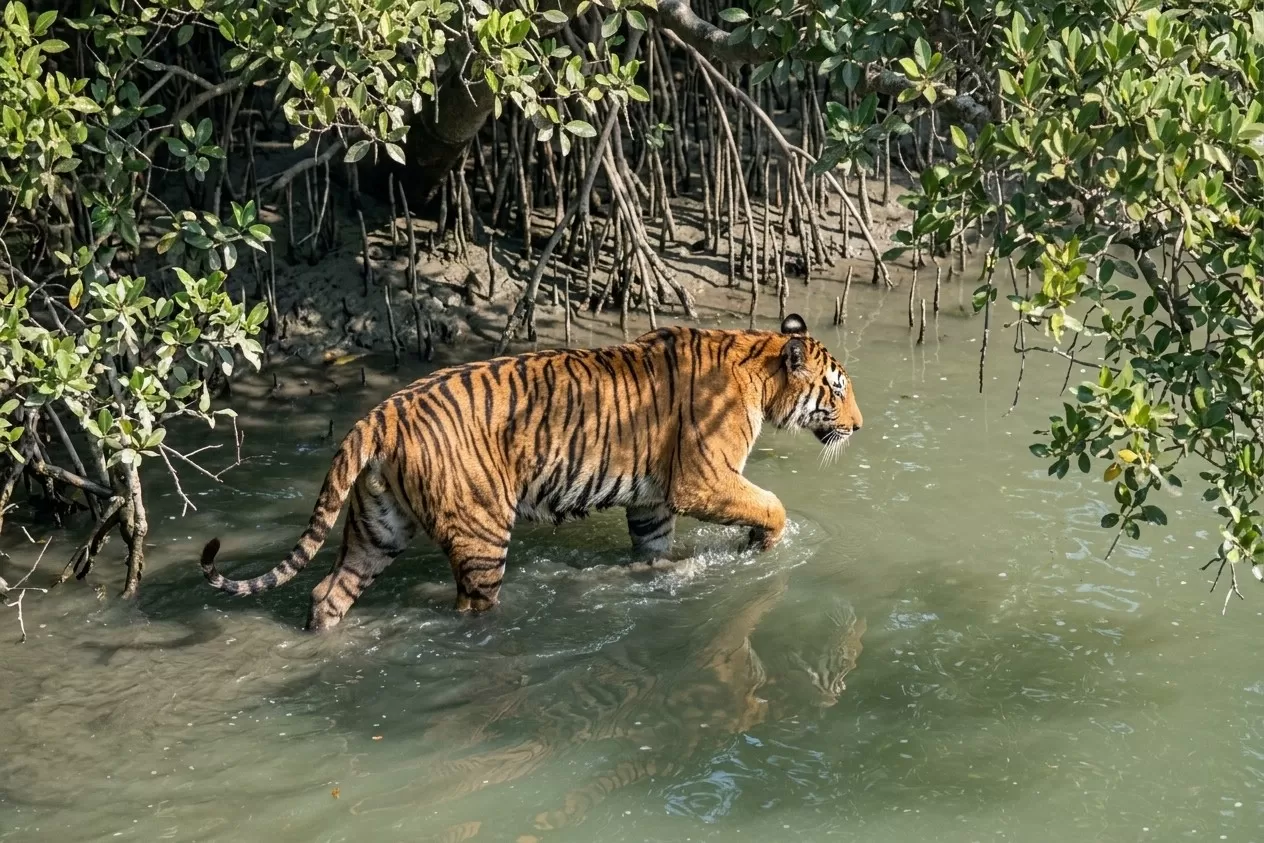
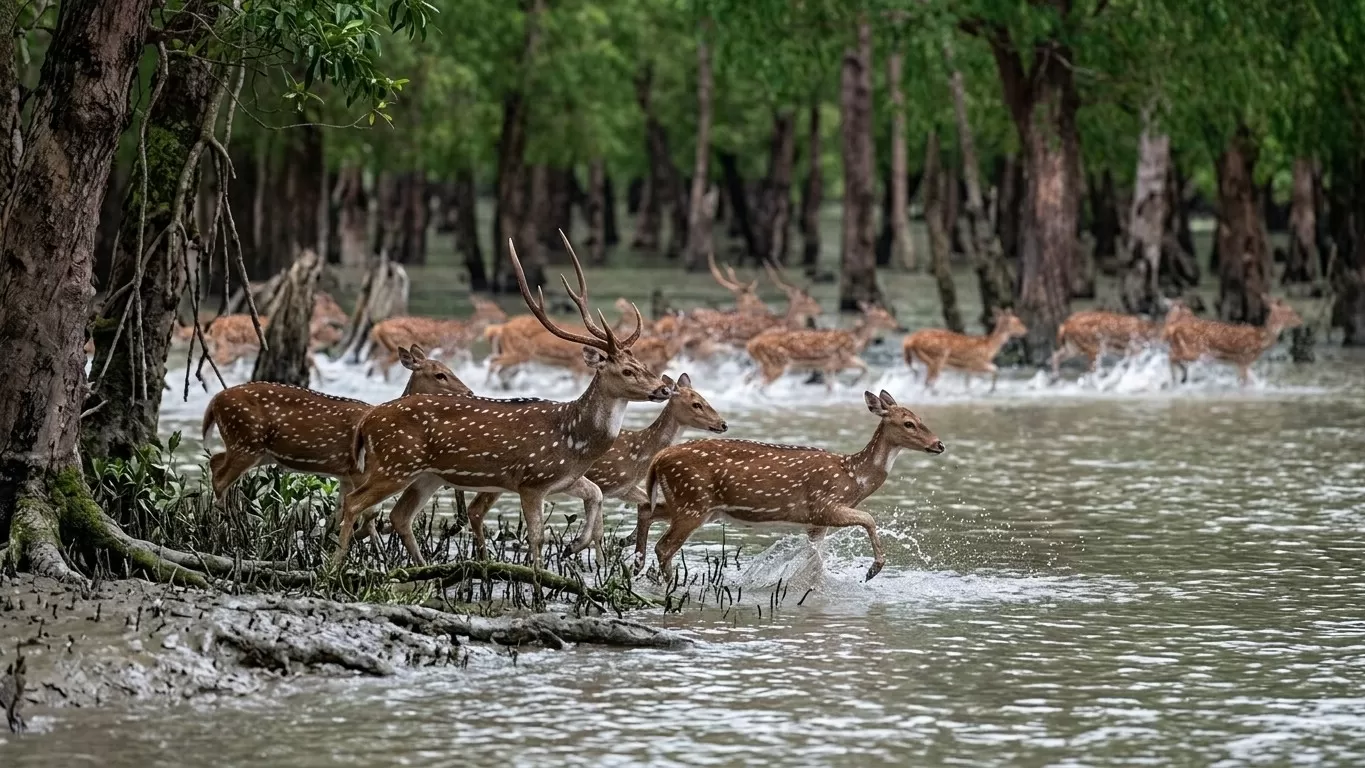
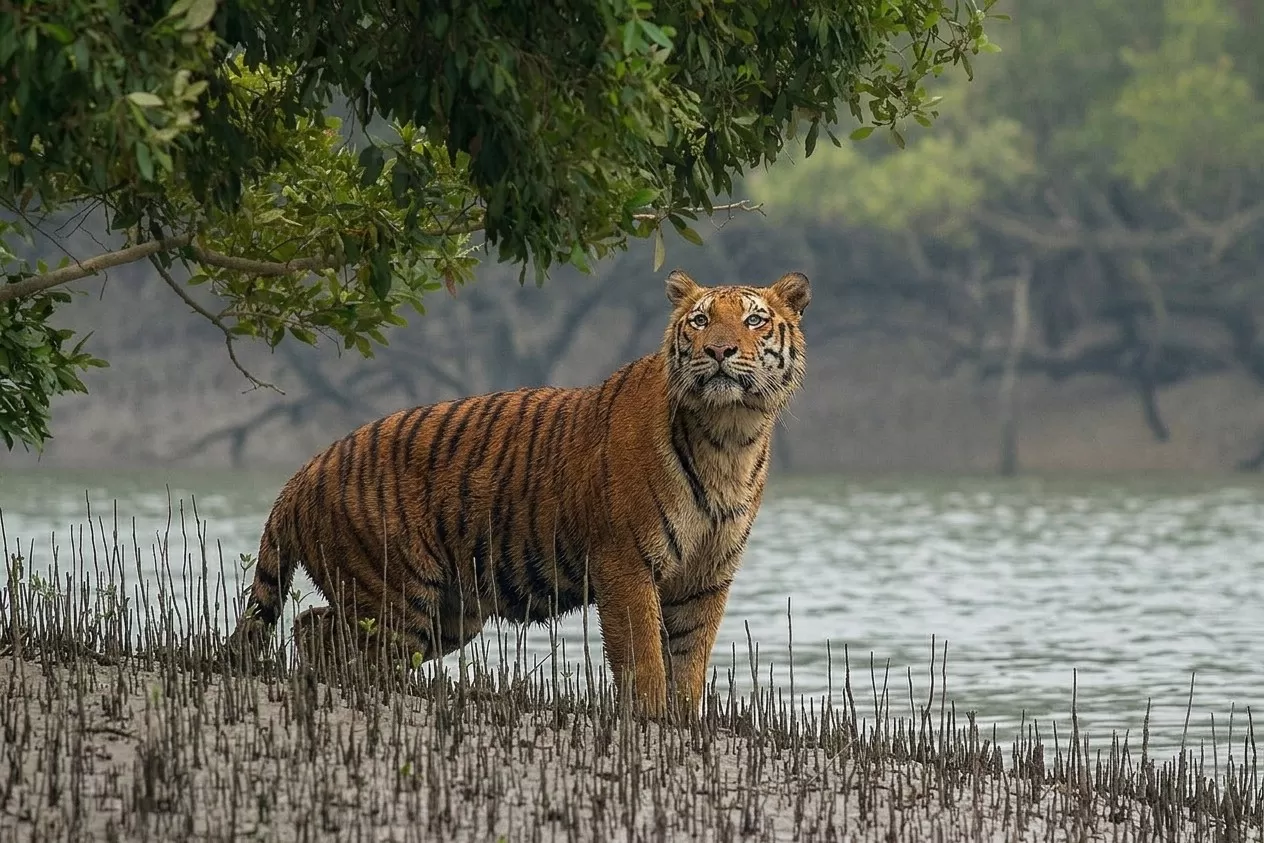
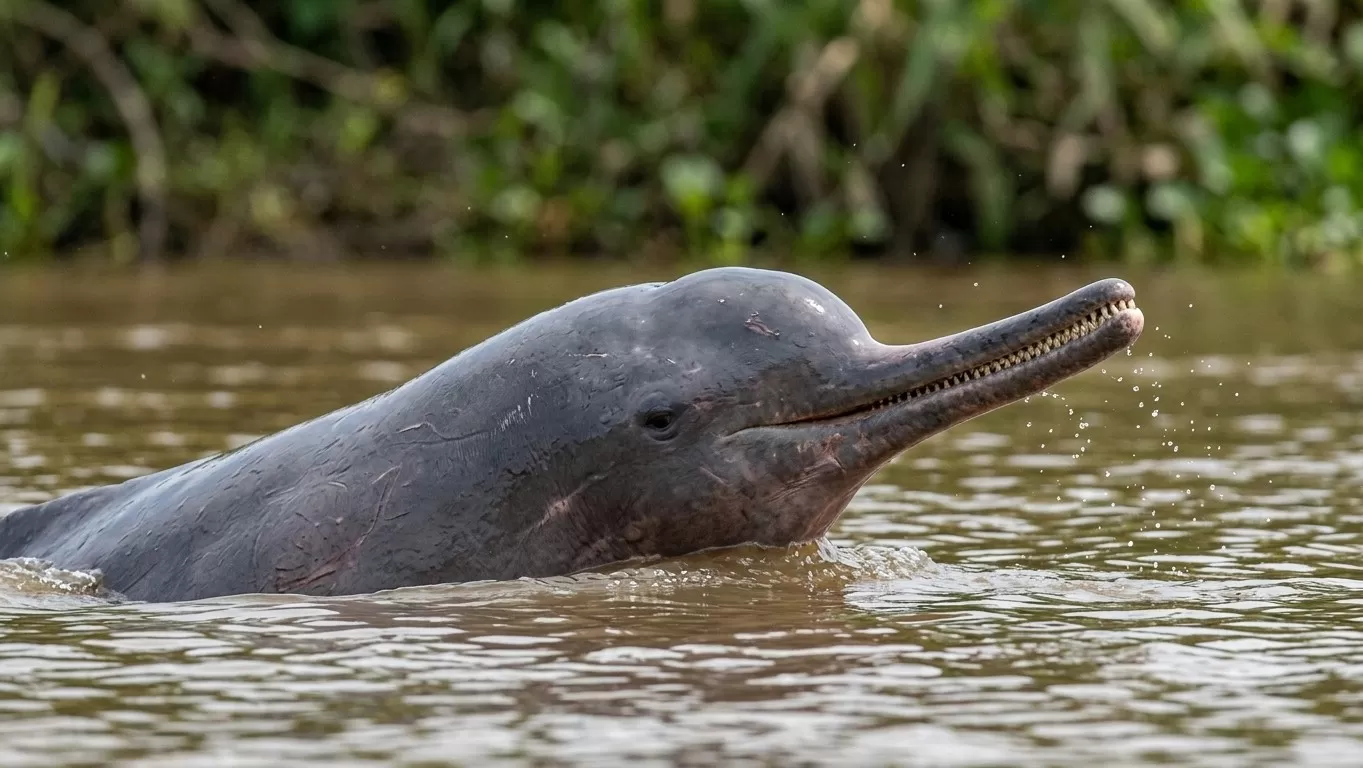
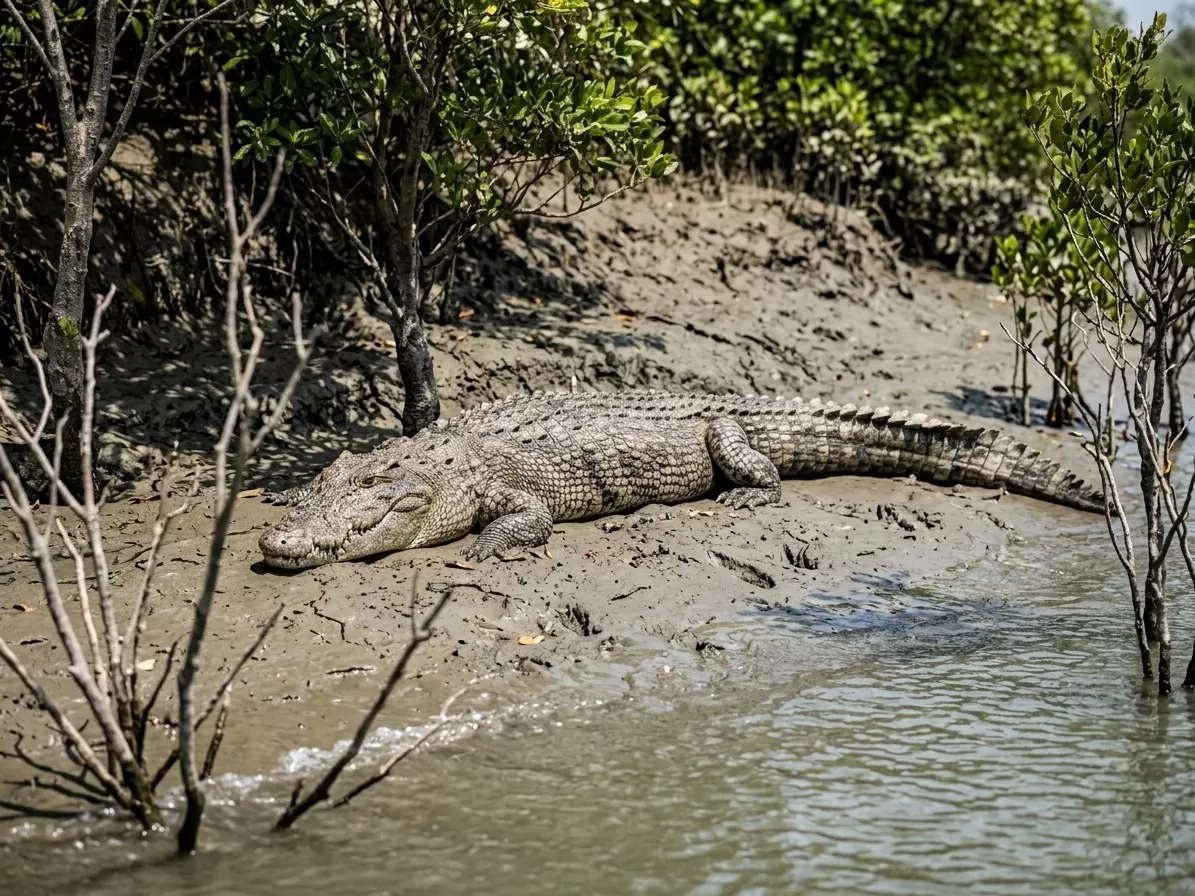
The park is best known as the habitat of the Royal Bengal Tiger, which has adapted to life in the mangrove forests and is known for its swimming abilities. Apart from tigers, the Sundarbans supports a rich variety of wildlife including estuarine crocodiles, fishing cats, wild boars, spotted deer, monitor lizards, Gangetic dolphins, and numerous bird species.
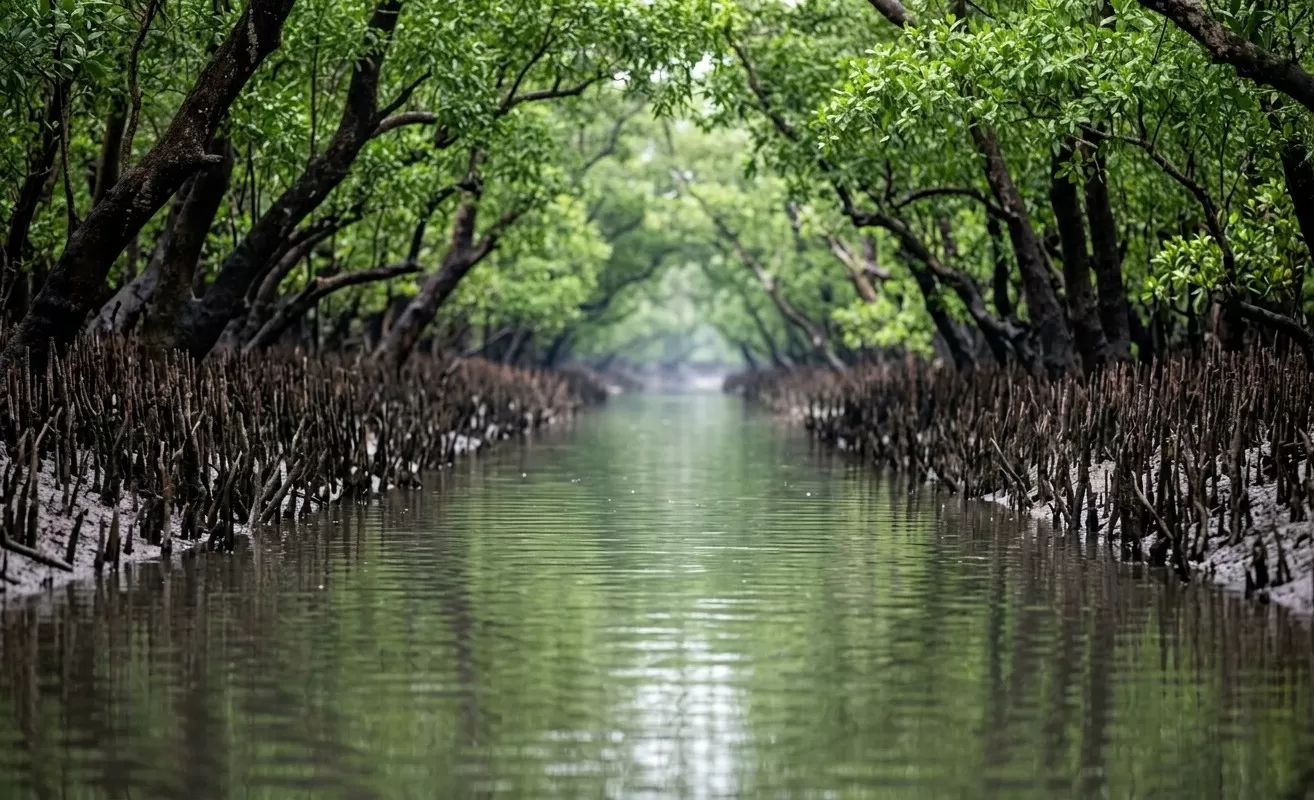
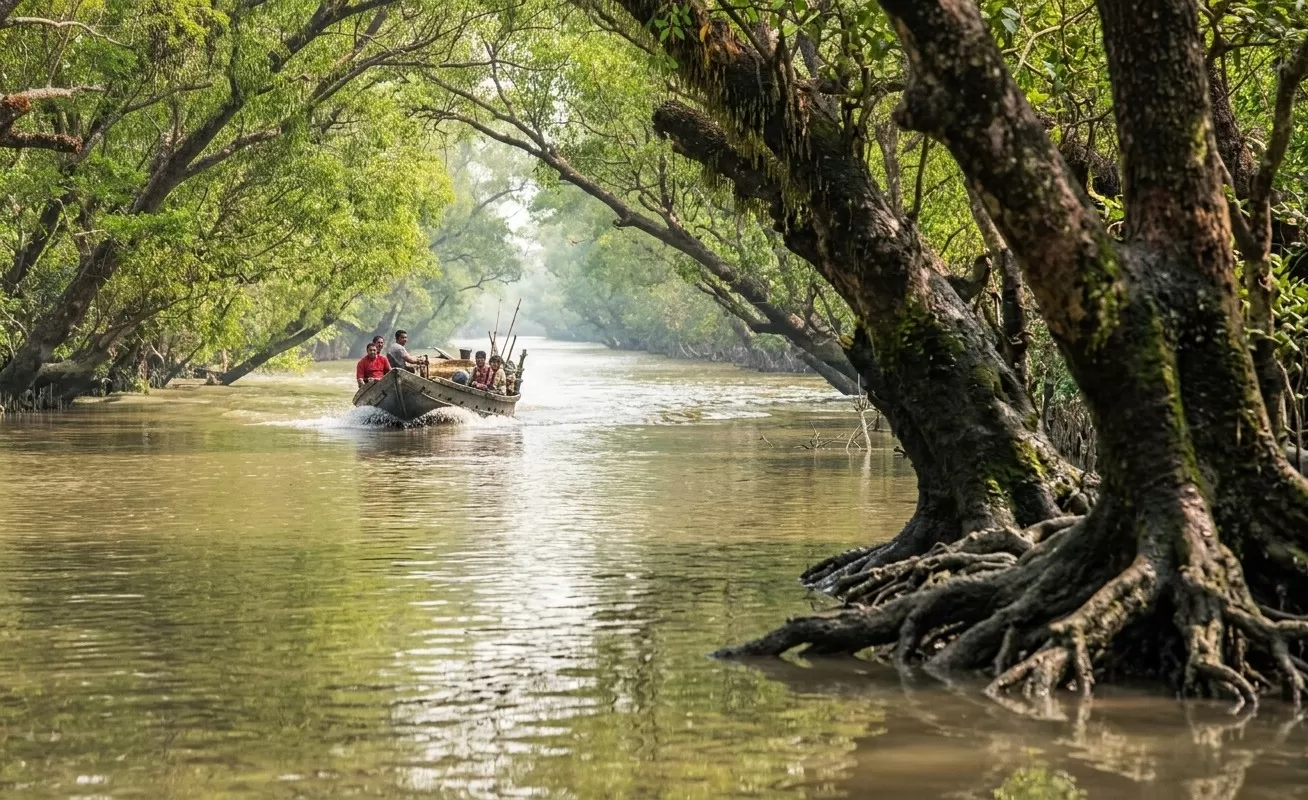
Visitors usually explore the area through boat safaris, which provide opportunities to observe wildlife while navigating through scenic waterways. Popular watchtowers such as Sajnekhali, Sudhanyakhali, and Dobanki offer excellent viewpoints for wildlife spotting. The tranquil environment, lush greenery, and unique mangrove landscape make the Sundarbans a paradise for photographers and nature enthusiasts.
The region also plays a vital role in protecting coastal areas from cyclones and tidal surges. The mangrove forests act as a natural barrier and support the livelihoods of local communities dependent on fishing, honey collection, and eco-tourism. A visit to the Sundarbans offers a rare opportunity to witness one of the most distinctive ecosystems on Earth while experiencing the rich cultural heritage of the local communities.
The park is best known as the habitat of the Royal Bengal Tiger, which has adapted to life in the mangrove forests and is known for its swimming abilities. Apart from tigers, the Sundarbans supports a rich variety of wildlife including estuarine crocodiles, fishing cats, wild boars, spotted deer, monitor lizards, Gangetic dolphins, and numerous bird species.
Visitors usually explore the area through boat safaris, which provide opportunities to observe wildlife while navigating through scenic waterways. Popular watchtowers such as Sajnekhali, Sudhanyakhali, and Dobanki offer excellent viewpoints for wildlife spotting. The tranquil environment, lush greenery, and unique mangrove landscape make the Sundarbans a paradise for photographers and nature enthusiasts.
The region also plays a vital role in protecting coastal areas from cyclones and tidal surges. The mangrove forests act as a natural barrier and support the livelihoods of local communities dependent on fishing, honey collection, and eco-tourism. A visit to the Sundarbans offers a rare opportunity to witness one of the most distinctive ecosystems on Earth while experiencing the rich cultural heritage of the local communities.