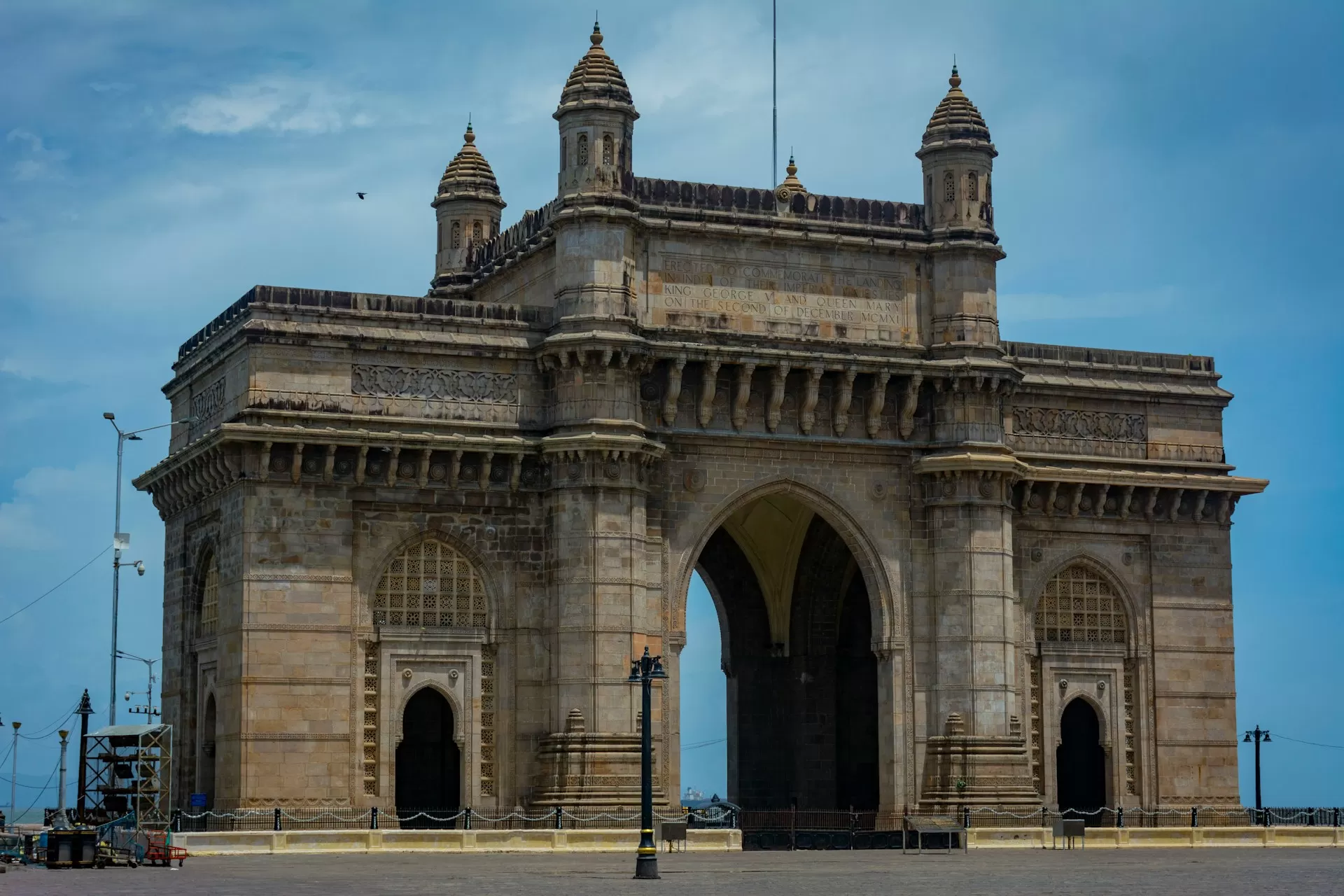
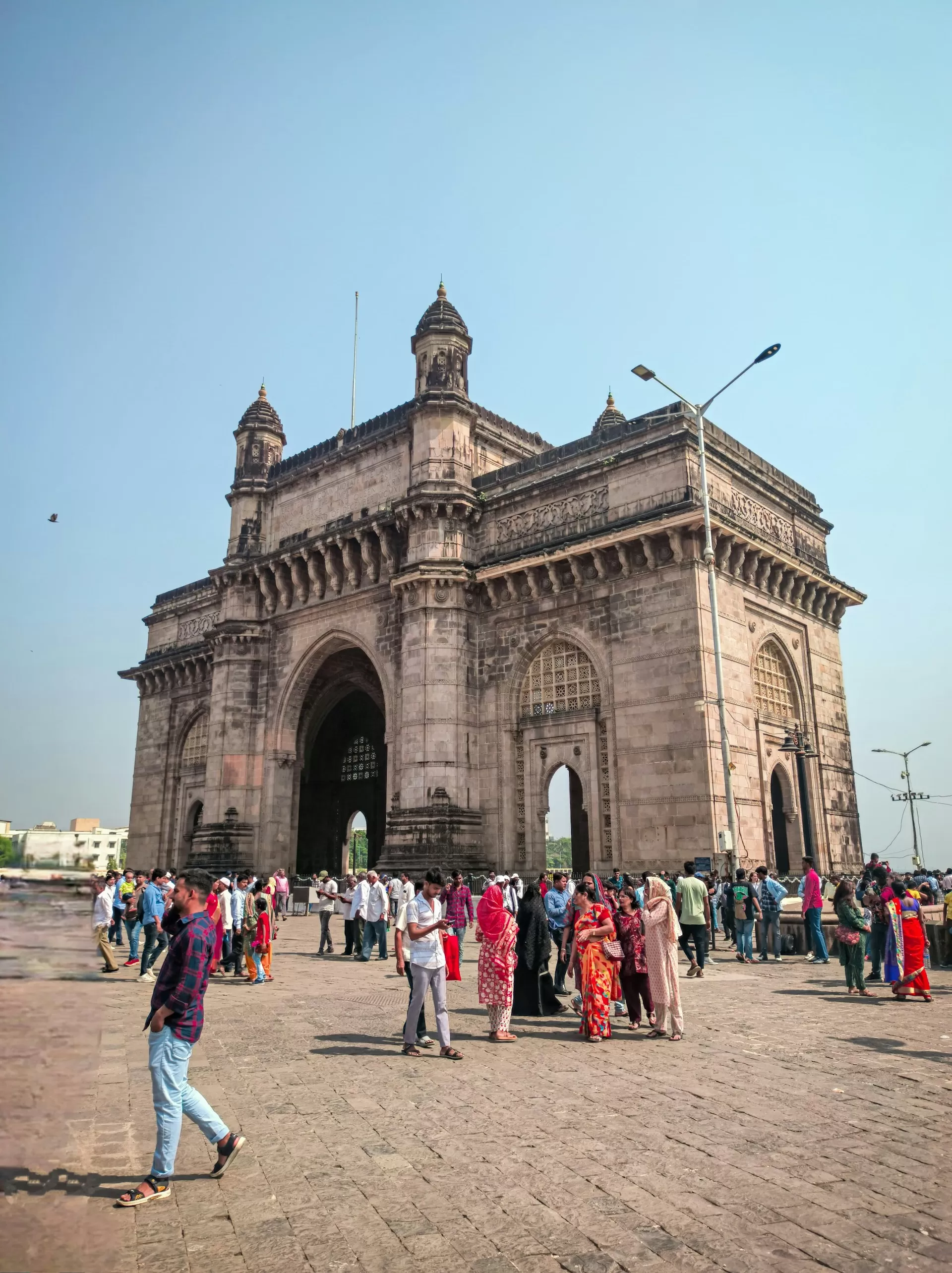
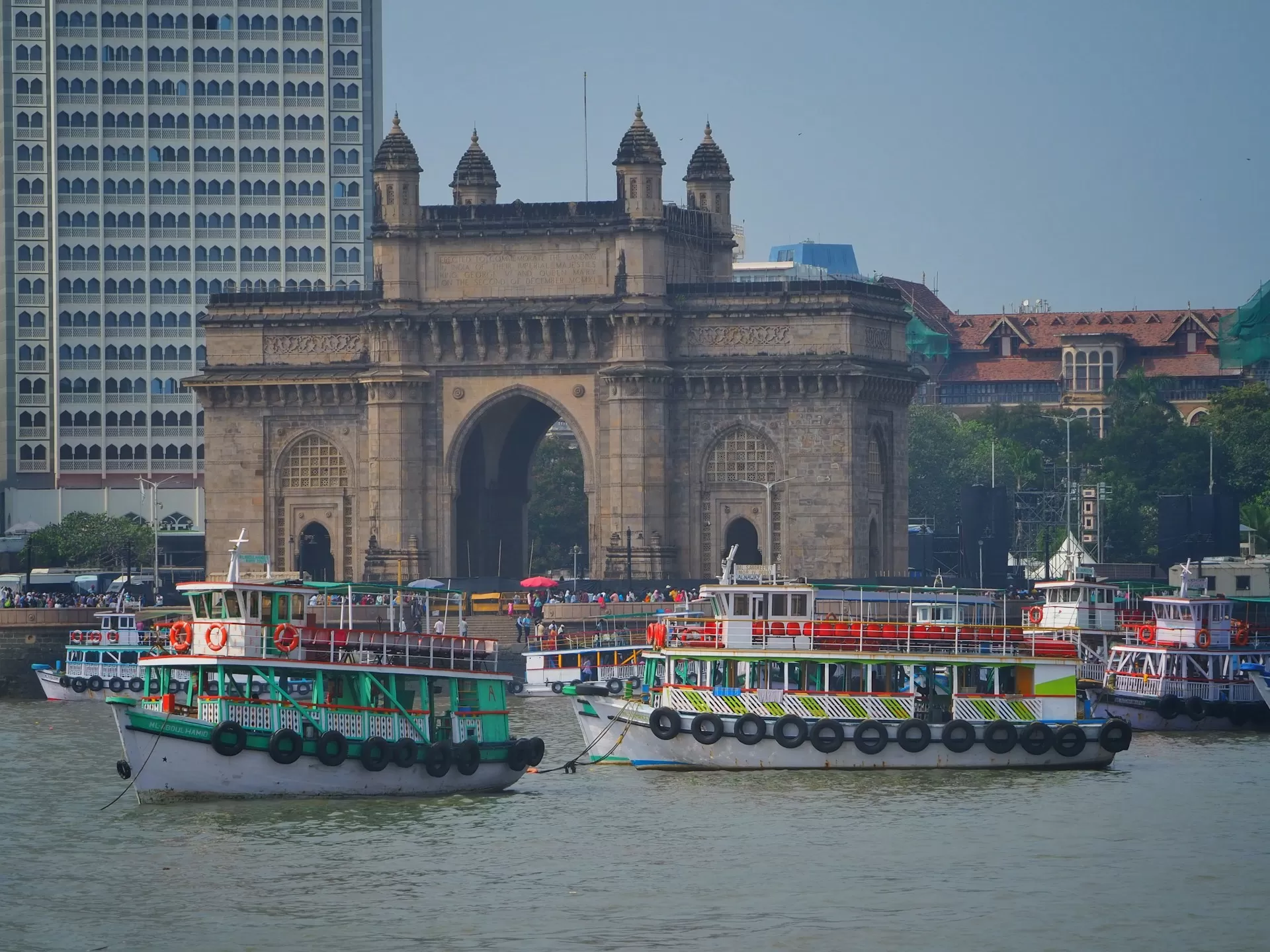
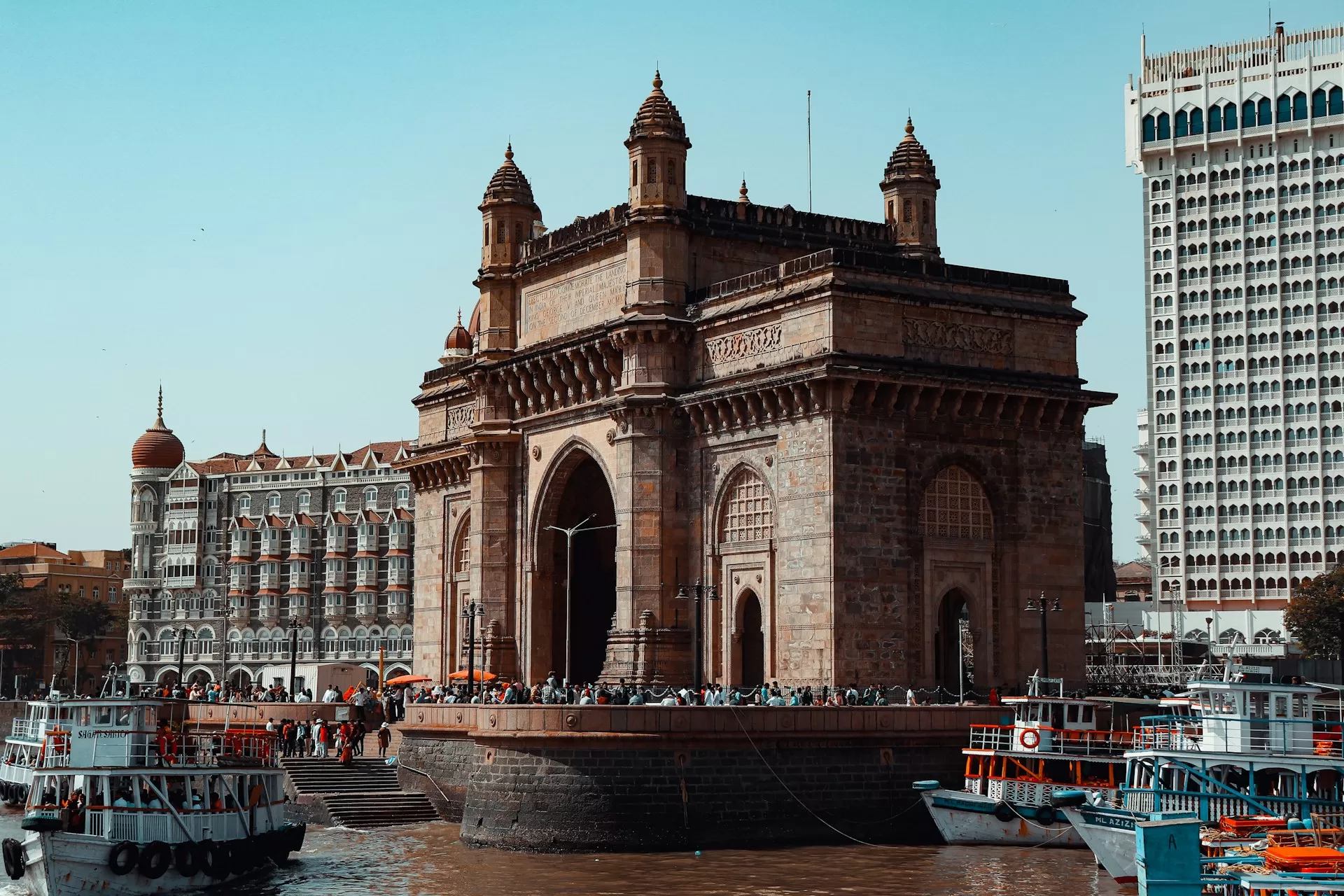
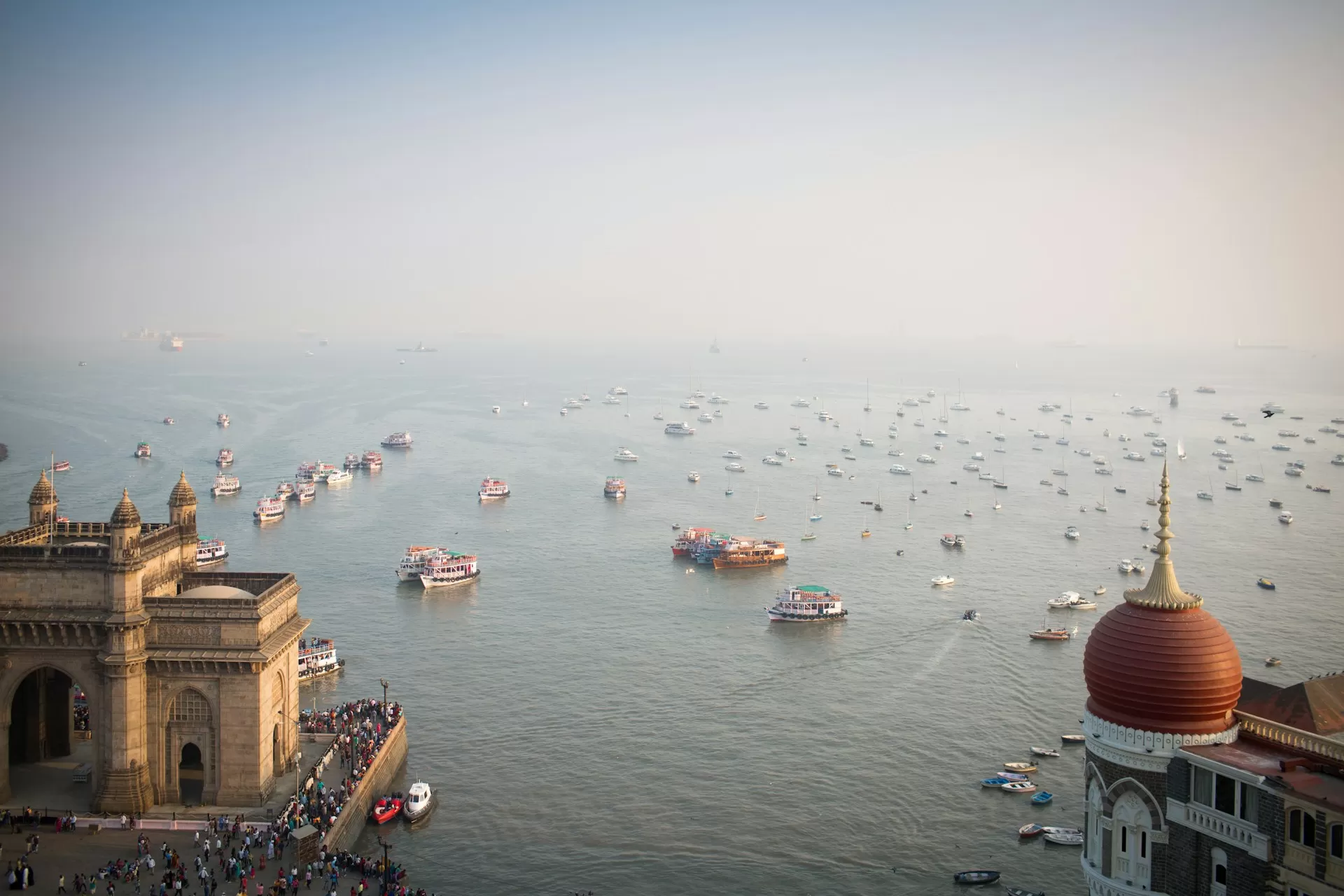
The Gateway of India is one of India's most iconic monuments, located on the waterfront in Mumbai overlooking the Arabian Sea. Built in 1924, this grand basalt arch was designed by architect George Wittet to commemorate the visit of King George V and Queen Mary to India in 1911. Standing about 26 meters high, the monument beautifully blends Indo-Saracenic, Hindu, and Muslim architectural styles. Today, it serves as a major tourist attraction and a symbol of Mumbai's rich colonial heritage.
The Gateway of India is one of the most recognized monuments in India and a symbol of the vibrant city of Mumbai. Situated on the shores of the Arabian Sea at Apollo Bunder, the monument was constructed to commemorate the visit of King George V and Queen Mary to India in 1911. Although the foundation stone was laid in 1911, the structure was completed and opened to the public in 1924. Designed by architect George Wittet, the monument showcases a unique blend of Indo-Saracenic, Hindu, and Muslim architectural styles, making it a masterpiece of colonial-era architecture.
Built from yellow basalt stone and reinforced concrete, the arch stands approximately 26 meters high and faces the sea, creating a grand and welcoming appearance. Over the years, the Gateway of India has witnessed several important historical events, including the departure of the last British troops from India in 1948, symbolizing the end of British rule.
Today, the monument attracts millions of tourists from India and around the world. Visitors come to admire its architectural beauty, learn about its historical significance, and enjoy the scenic views of the Arabian Sea. The area around the Gateway is lively and bustling, featuring street vendors, photographers, and ferry services. It also serves as the departure point for boats to the famous Elephanta Caves, a UNESCO World Heritage Site.
Whether visited during the day or illuminated at night, the Gateway of India offers a memorable experience. Its rich history, impressive architecture, and picturesque location make it an essential destination for anyone exploring Mumbai and one of the most cherished landmarks of India.
Built from yellow basalt stone and reinforced concrete, the arch stands approximately 26 meters high and faces the sea, creating a grand and welcoming appearance. Over the years, the Gateway of India has witnessed several important historical events, including the departure of the last British troops from India in 1948, symbolizing the end of British rule.
Today, the monument attracts millions of tourists from India and around the world. Visitors come to admire its architectural beauty, learn about its historical significance, and enjoy the scenic views of the Arabian Sea. The area around the Gateway is lively and bustling, featuring street vendors, photographers, and ferry services. It also serves as the departure point for boats to the famous Elephanta Caves, a UNESCO World Heritage Site.
Whether visited during the day or illuminated at night, the Gateway of India offers a memorable experience. Its rich history, impressive architecture, and picturesque location make it an essential destination for anyone exploring Mumbai and one of the most cherished landmarks of India.