Tourist Sites Near Me – Best Places to Visit Nearby
Ellora Caves
• Chhatrapati Sambhajinagar • Maharashtra
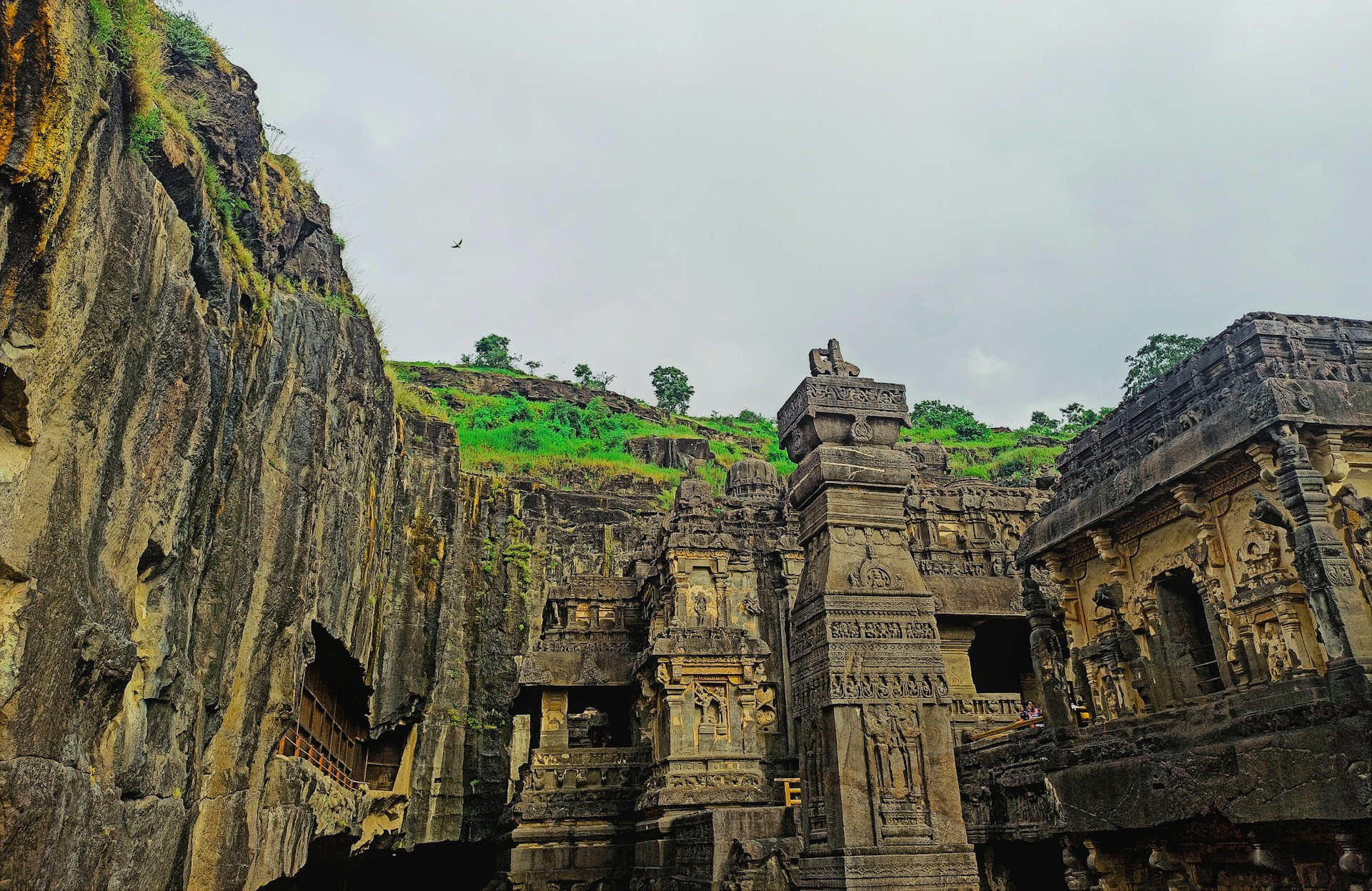
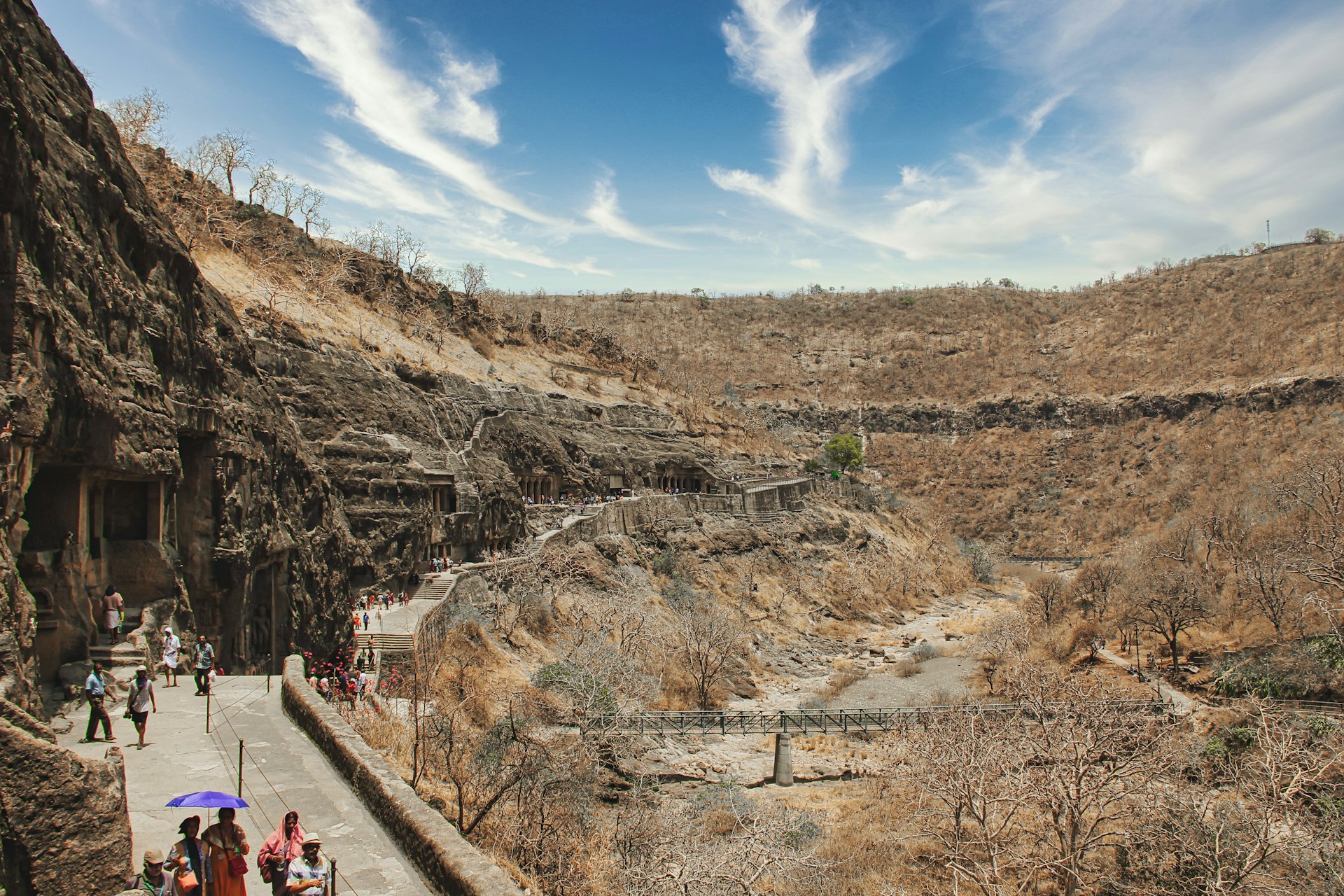
Ellora Caves are an extraordinary complex of 34 rock-cut caves, including temples, monasteries, and sanctuaries carved into a basalt hillside. The most spectacular is Kailasa Temple (Cave 16) — a monolithic structure carved from a single rock. The site reflects India’s artistic and spiritual heritage across religions and centuries.
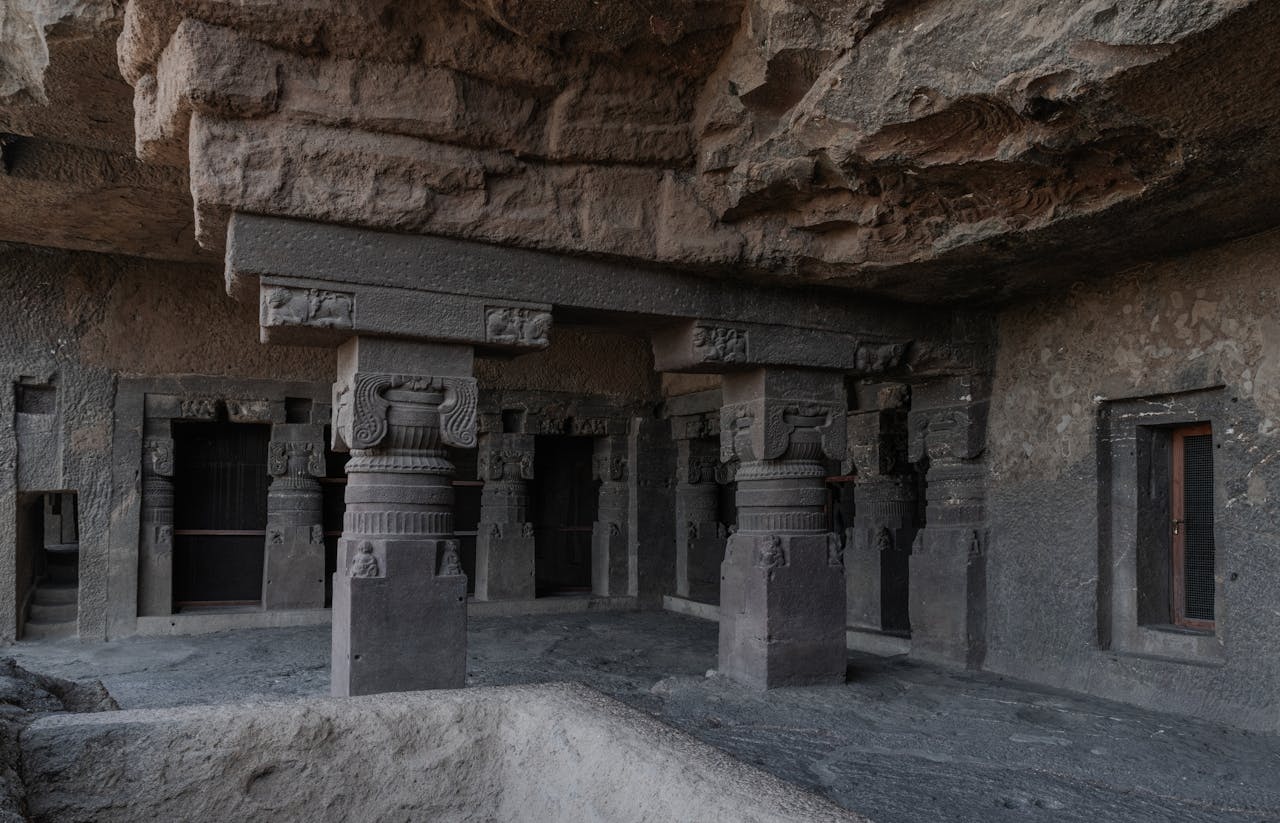
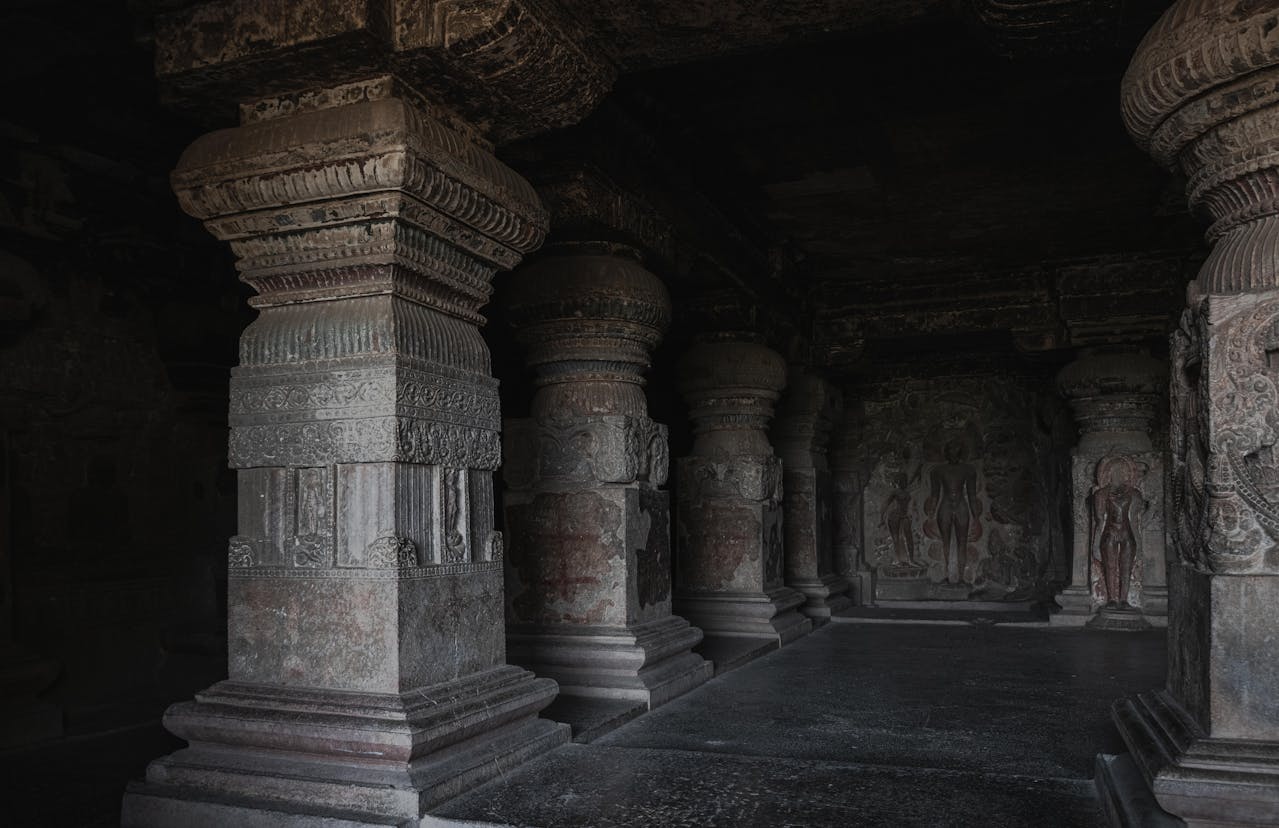
Ellora Caves, located near the village of Ellora in Aurangabad district, are one of India’s most iconic heritage sites. Dating from the 6th to 10th century CE, the caves were hewn directly out of volcanic basalt rock. They illustrate the artistic brilliance and religious harmony of ancient India:
12 Buddhist caves (prayer halls and monasteries with serene sculptures)
17 Hindu caves (grand temples and reliefs, especially the Kailasa Temple)
5 Jain caves (intricate carvings of Tirthankaras).
The centerpiece, Kailasa Temple (Cave 16), is carved top-down from a single rock and is considered one of the greatest rock-cut architectural achievements in the world. The surrounding landscape of rugged hills and greenery enhances the dramatic presence of this archaeological marvel.
🎯 Things to do
- Explore the Caves
- Marvel at Kailasa Temple (Cave 16) — the highlight
- Visit selective Buddhist and Jain caves See intricate sculpture panels depicting mythological scenes.
📍 Near By
- Grishneshwar Jyotirlinga Temple: ~1 km — a major Shiva temple often combined with Ellora visit
- Daulatabad Fort: A nearby historic fort worth a visit
- Grishneshwar Temple Grounds: Green area for rest after tour
- Rainy season “Jogeshwari Kund & small pools”: Scenic water spots around the cliff base
- Daulatabad Fort hilltop areas: Good for views & small rest picnic
- Bibi Ka Maqbara gardens (Aurangabad).




Pawana Lake
Lonavala • Pune • Maharashtra
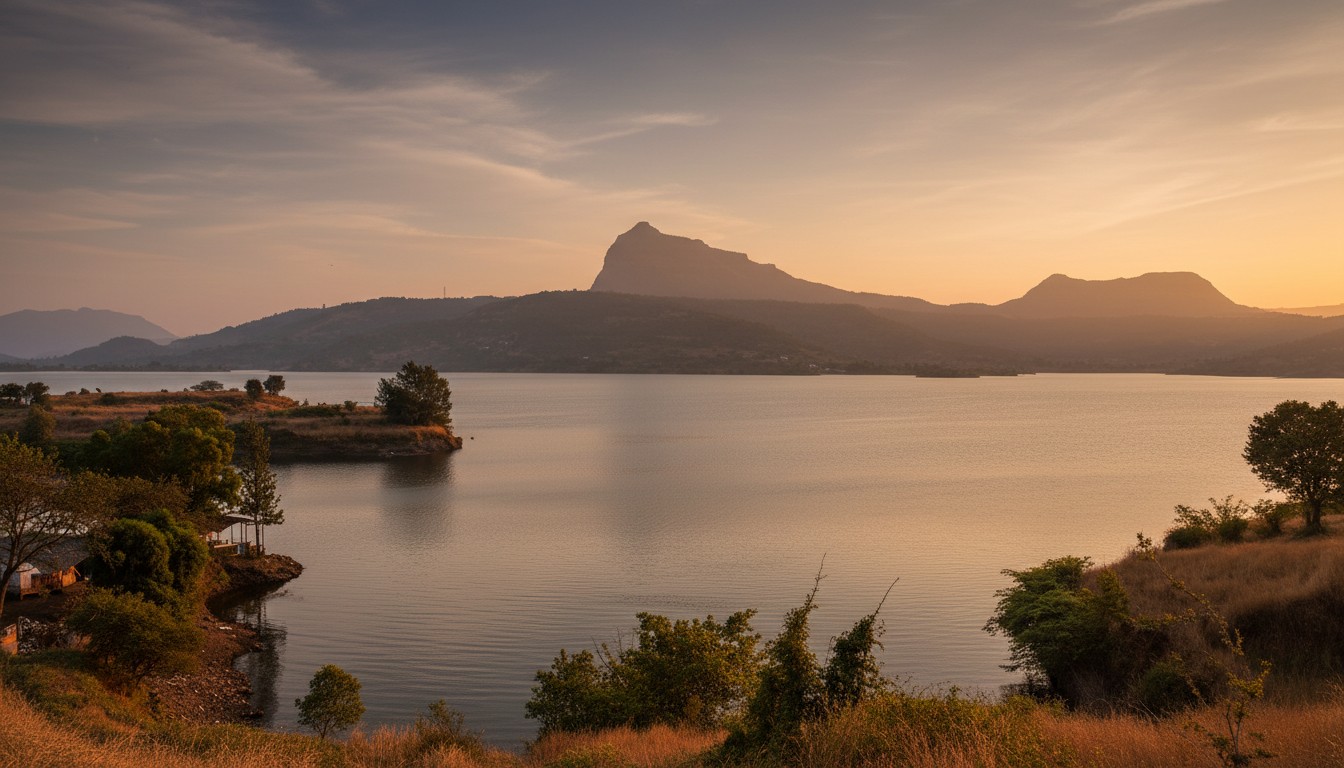
Pawna Lake is a serene artificial lake surrounded by hills and forts near Lonavala, famous for picnics, camping, sunsets, and peaceful nature views.
Pawna Lake is an artificial reservoir formed by the Pavana Dam on the Pavana River in Pune district of Maharashtra. Located about 20 km from Lonavala and 60 km from Pune, it is one of the most popular weekend picnic and camping destinations in the region.
The lake is surrounded by lush green hills, open grasslands, and historic forts such as Lohagad, Tikona, and Tungi, making it a scenic retreat for nature lovers, families, photographers, and adventure enthusiasts. During monsoon and winter, the area becomes especially beautiful with misty hills, flowing streams, and cool weather.
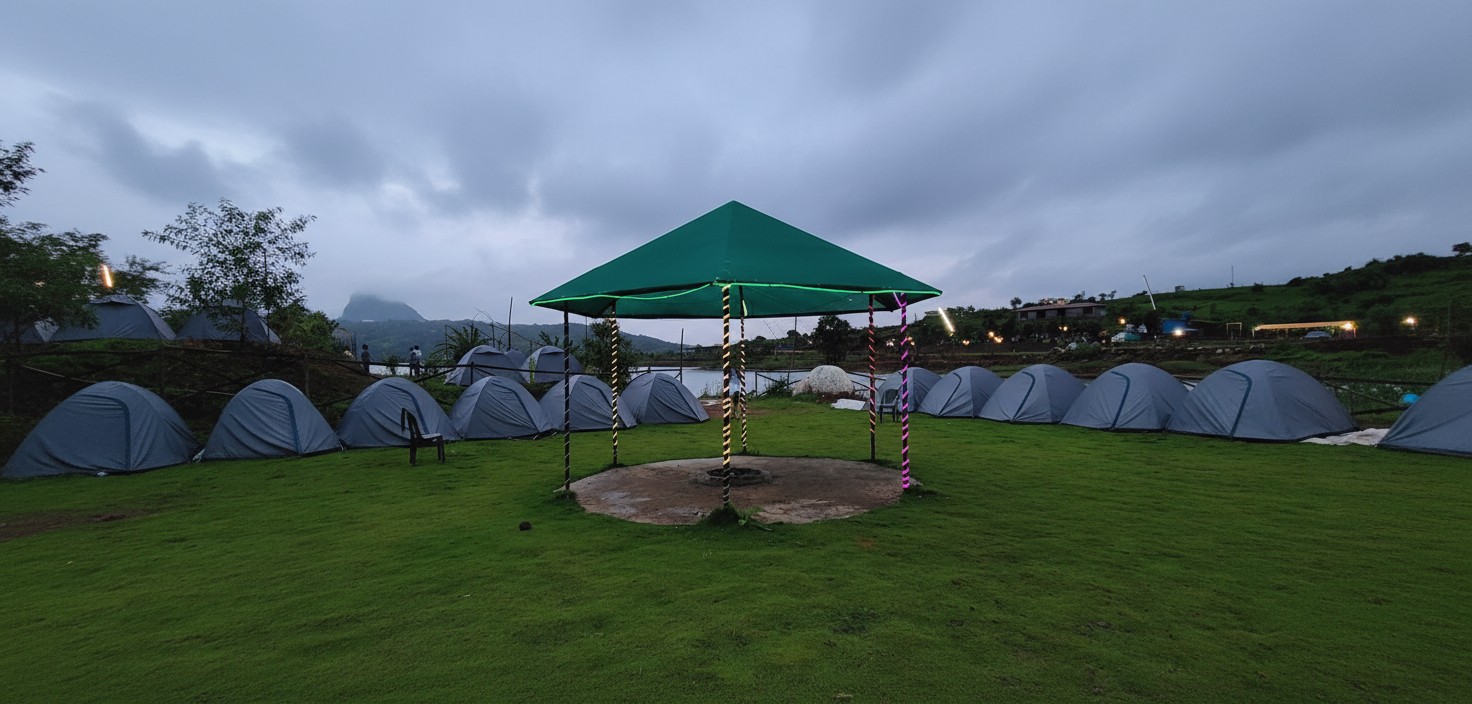
Pawna Lake is well known for lakeside camping, bonfires, stargazing, and sunset views. Although swimming in the lake is not recommended due to safety reasons, visitors enjoy boating (seasonal), photography, relaxation, and light trekking nearby.
🎯 Things to do
- Camping and Bonfire:- Experience overnight lakeside tent camping with live music bonfires and BBQ offering a perfect relaxing atmosphere
- Water Sports:- Enjoy speed boating pedal boating and kayaking on the large calm man-made lake
- Trekking and Sightseeing:- Explore historical forts surrounding the area including Tikona/ Lohagad/ Tung and Visapur Forts
- Adventure Activities:- Engage in paragliding or try rappelling and ziplining near Dudhiware Waterfalls which is located close to the main camping area
- Relaxation:- Enjoy scenic sunset views take long walks along the shore and sample local cuisine.
📍 Near By
- Tikona Fort – Trek + views of Pawna Lake
- Lohagad Fort – Easy trek
- historical fort
- Tung Fort (Kathingad) – Popular monsoon trek
- Lonavala & Khandala – Hill station picnic spots
- Bhaja Caves – Ancient rock-cut caves.



Shani Shingnapur
Shani Shingnapur • Ahilyanagar • Maharashtra
The Shani Shingnapur Temple is a renowned Hindu shrine in Ahmednagar district, Maharashtra, dedicated to Lord Shani (the planetary deity Saturn). It is famous for its Swayambhu black stone idol placed under the open sky, and the local folklore belief that Lord Shani protects the village from theft.
Located about 35 km from Ahmednagar and 70–75 km from Shirdi, Shani Shingnapur attracts thousands of devotees year-round. The principal deity — a black stone installed on a raised platform — remains uncovered by any roof, symbolising Lord Shani’s unshielded presence and influence.
Local legend holds that the deity appeared here spontaneously, and due to his protective presence, residents traditionally did not install doors or locks on homes and shops (a practice now changed for practicality).
Shani Shingnapur is a village-temple destination famous for a unique open-air shrine dedicated to Lord Shani (Saturn) — believed to be jagrut (alive and powerful) and self-manifested (swayambhu).
Devotees visit especially on Saturdays, Shani Amavasya, and Shani Jayanti — auspicious occasions for Shani worship. Rituals include oil and water abhisheks (ceremonial bathing of the deity), aarti, and personal prayers for justice, relief from hardships, and planetary blessings.
🎯 Things to do
- Darshan of Lord Shani’s open-air idol — the central spiritual experience
- Navagraha and other smaller shrines in the premises
- Participate in daily aarti or abhishek rituals for blessings.
📍 Near By
- Shirdi Sai Baba Temple — ~70 km away
- one of India’s most visited pilgrimage sites
- Sai Heritage Village (near Shirdi) — picnic / theme park area with exhibits & rides.



Sai Baba Temple
Shirdi • Ahilyanagar • Maharashtra
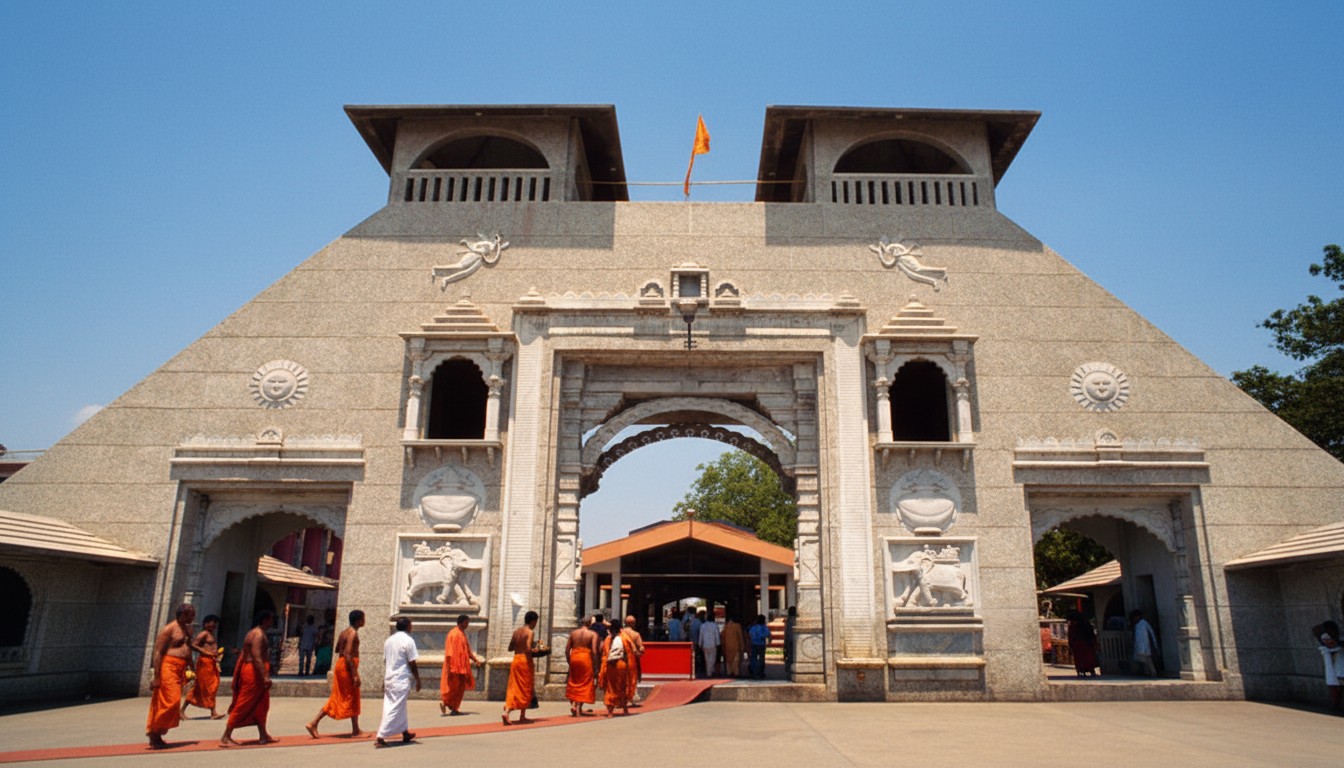
The Shirdi Sai Baba Mandir, also known as the Samadhi Mandir, is a premier spiritual destination located in Shirdi, Maharashtra. It is dedicated to the 19th-century saint Sai Baba, who preached universal brotherhood and religious harmony under the motto "Sabka Malik Ek" (God is One).
The Shirdi Sai Baba Temple (Shree Samadhi Mandir) in Shirdi, Maharashtra, is India's most famous pilgrimage site for devotees of Sai Baba, housing his samadhi (tomb) where a marble idol sits, symbolizing his legacy of love, unity, and miracles, attracting millions seeking blessings through daily rituals, aarti, and offerings, with its complex featuring the original Dwarkamai mosque, Chavadi, and various shrines, all managed by the Shree Saibaba Sansthan Trust.
Key Features & Significance:
Samadhi Mandir: The main shrine, built by Gopalrao Buti, contains Sai Baba's actual resting place, featuring a beautiful marble idol adorned with robes and crowns, representing his presence.
Teachings: Baba promoted unity, compassion, and simple living, teaching that "Sabka Malik Ek" (One God governs all).
Miracles: Millions come seeking solace and blessings, believing in his divine power to grant wishes and heal.
Complex: The sprawling complex includes the Masjid (Dwarkamai), Chavadi, Sai Baba's feet, Gurusthan (neem tree), and other significant spots from Baba's life.
What to Expect:
Darshan (Viewing): Devotees queue for hours to get a glimpse of the idol and offer prayers.
Aarti & Rituals: Morning, noon, evening, and night aartis are performed, with VIP passes available for closer experiences.
Offerings: Devotees offer flowers, coconuts, sweets, and money (Dakshina).
Peace & Devotion: A deeply spiritual atmosphere permeates the temple, a focal point for Sai Baba's message of faith and patience (Shraddha & Saburi).
History:
Sai Baba lived in Shirdi for nearly 60 years, taking Maha-Samadhi in 1918.
The temple complex grew around his presence, becoming a major spiritual center.
Visiting:
Managed by the Shree Saibaba Sansthan Trust, Shirdi.
Daily visits average 25,000+ devotees, increasing significantly on festivals.
In essence, the Shirdi Temple is a powerful pilgrimage site, a hub of faith where Sai Baba's simple yet profound teachings continue to inspire millions worldwide.
🎯 Things to do
- Visiting Shirdi involves temple rituals like darshan (viewing) and Aarti
- Exploring holy spots like Dwarkamai-Chavadi and Gurusthan
- Experiencing spiritual activities like Sai Satcharitra recitation
📍 Near By
- Shani Shingnapur(about 35-40 km away)
- Nashik -Kalaram Temple and Ramkund
- Bhandardara (76 km) is a popular nearby hill station for nature
- Trimbakeshwar (near Nashik) .


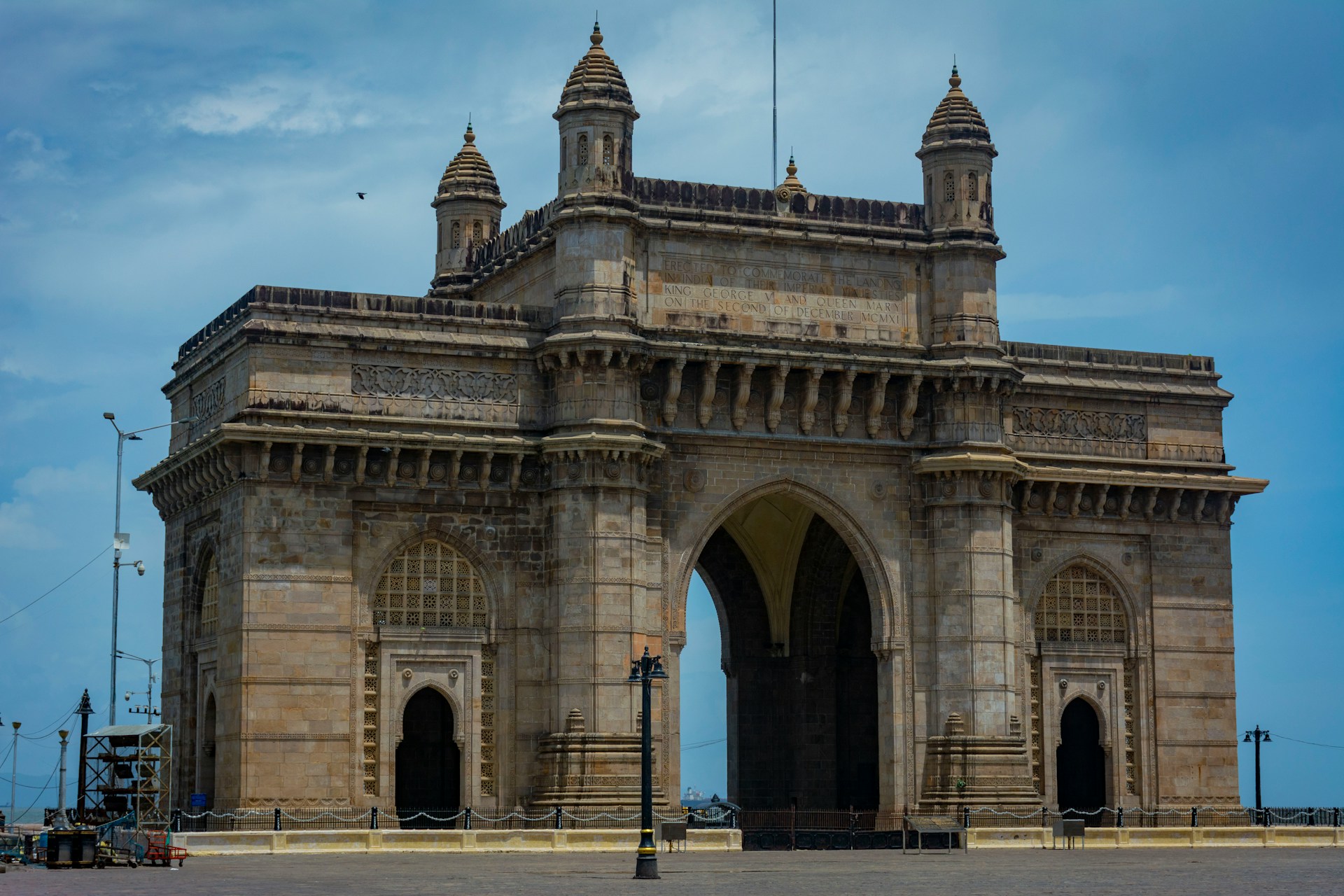
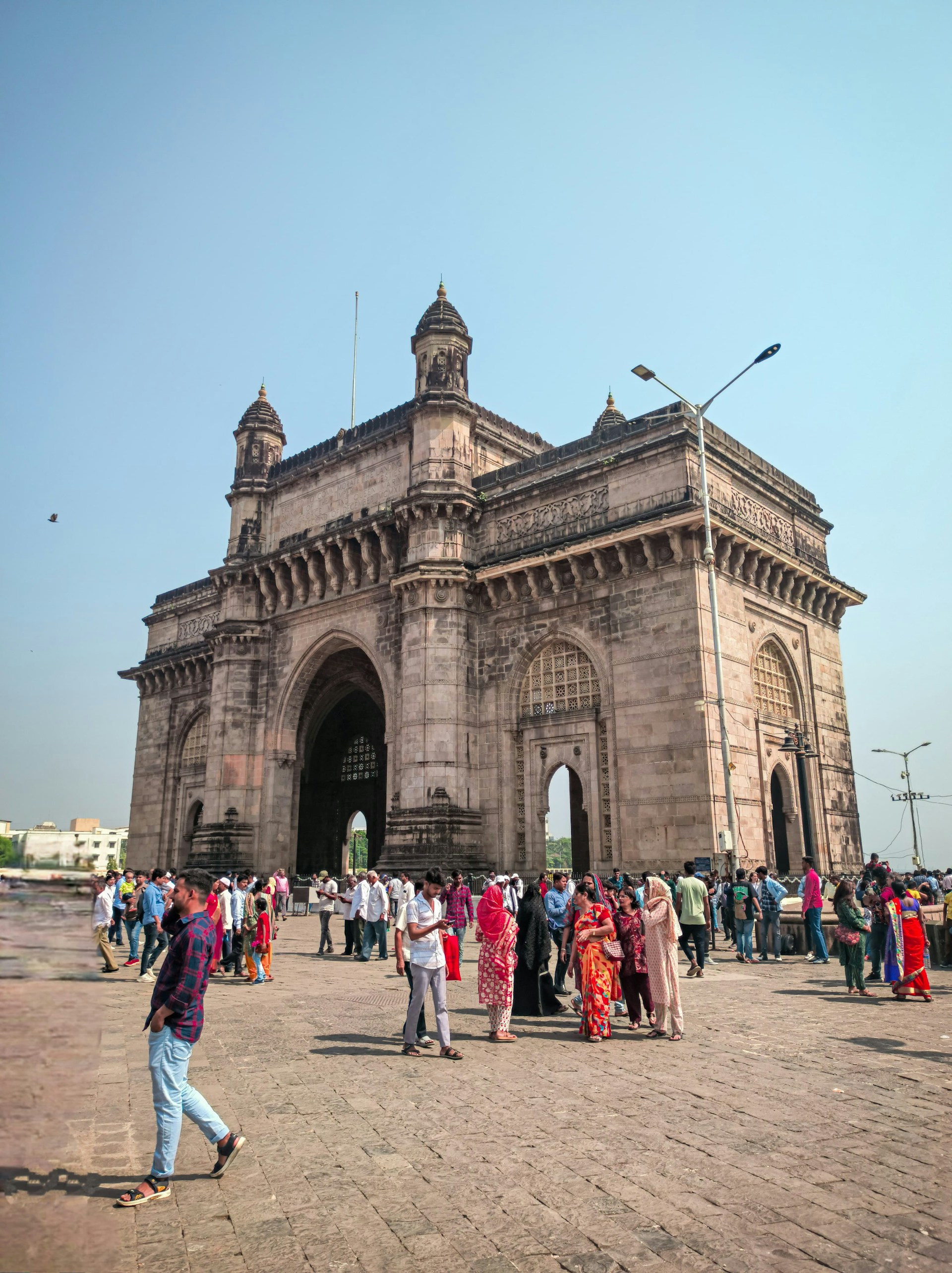
Gateway of India
• Mumbai • Maharashtra
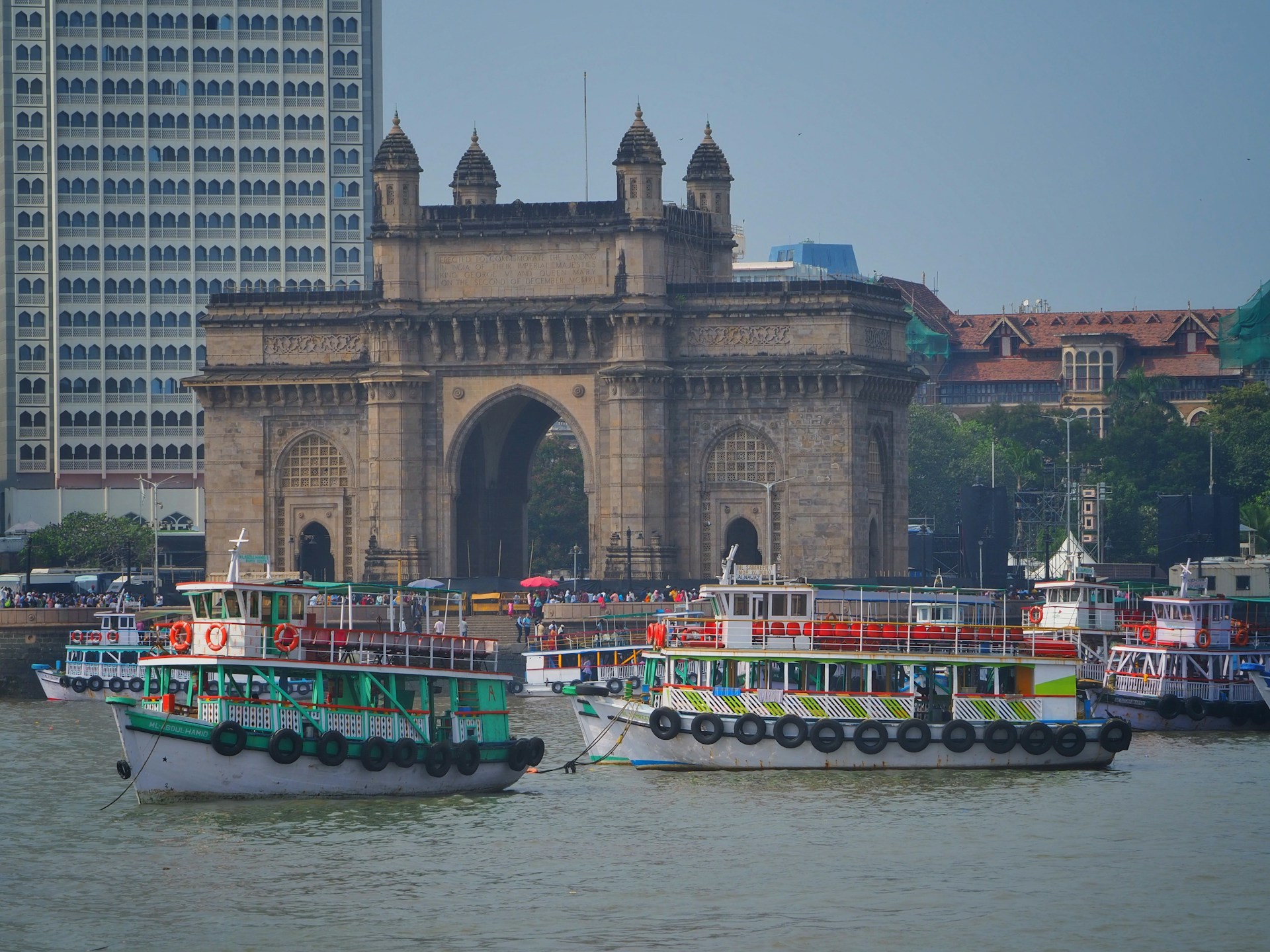
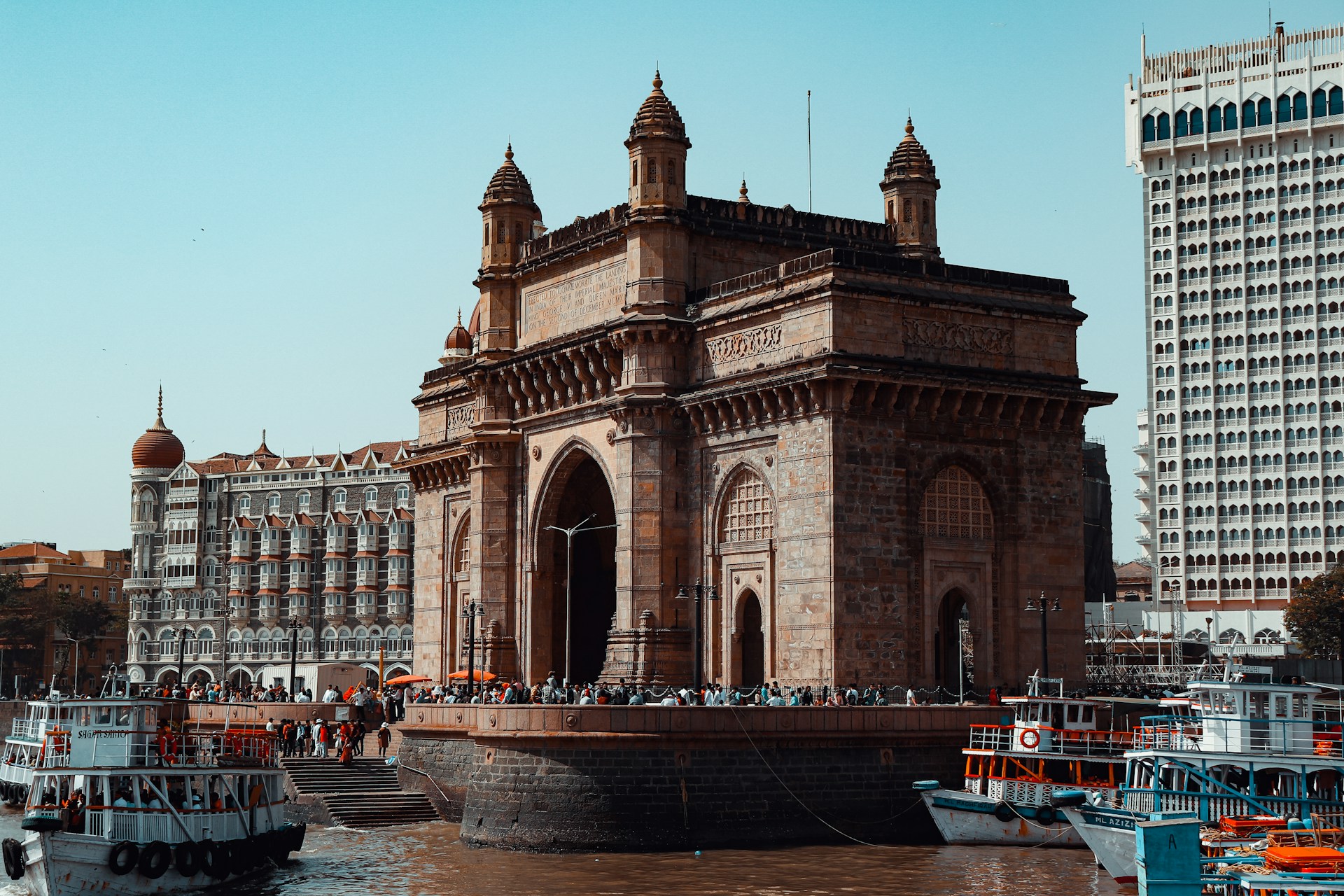
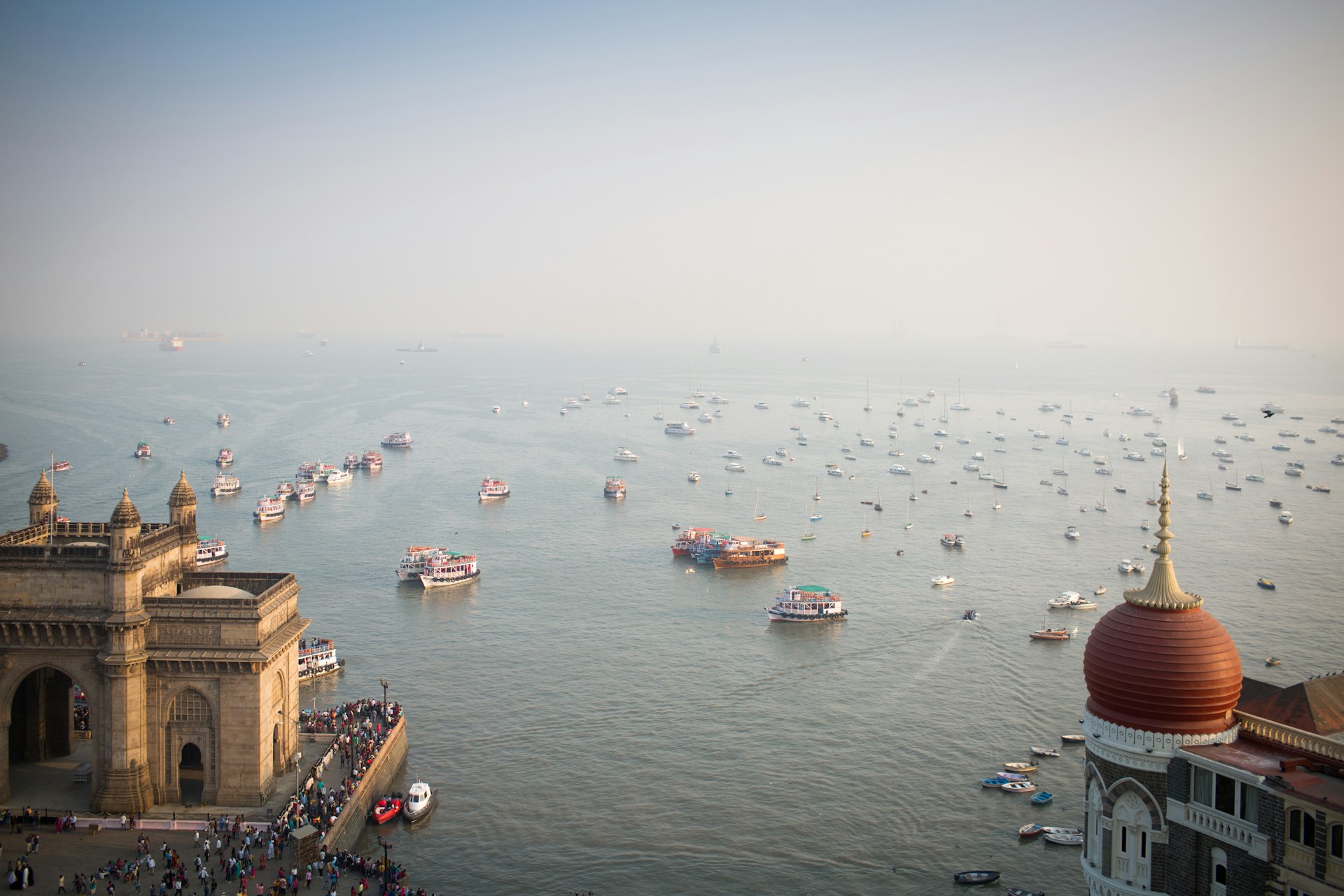
The Gateway of India is a historic monument in Mumbai built during the British era. Overlooking the Arabian Sea, it is one of India’s most famous landmarks and a major tourist attraction.
The Gateway of India is a grand basalt arch monument located at Apollo Bunder in South Mumbai. It was built in 1924 to commemorate the visit of King George V and Queen Mary to India in 1911. Designed in Indo-Saracenic architectural style, the monument combines Indian, Islamic, and European design elements.
Standing 26 meters high, the Gateway of India once served as the ceremonial entrance to British governors and viceroys arriving in India by sea. Historically, it also marks the point from where the last British troops departed India in 1948, making it a powerful symbol of colonial history and independence.
Today, the Gateway of India is a lively public space visited by thousands of tourists every day. Visitors enjoy sea views, photography, boat rides to nearby attractions, and the vibrant atmosphere created by street vendors and locals. The monument looks especially beautiful in the evening when it is illuminated.
🎯 Things to do
- Take photographs of the monument and sea view
- Enjoy boat rides to Elephanta Caves
- Watch the sunset over the Arabian Sea
- Explore nearby Colaba Causeway markets
- Enjoy local street food
- Visit nearby heritage buildings
- Relax and observe city life.
📍 Near By
- Taj Mahal Palace Hotel (opposite Gateway)
- Elephanta Caves
- Colaba Causeway (shopping street)
- Chhatrapati Shivaji Maharaj Terminus (CSMT)
- UNESCO site Marine Drive
- Prince of Wales Museum (CSMVS)